Eastern Dobsonfly Facts For Kids
The eastern dobsonfly is a large, winged insect known for its distinctive elongated mandibles in males and aquatic larvae called hellgrammites, found primarily in clean freshwater habitats.
Select reading age

Eastern Dobsonfly Facts For Kids
Videos & Quizzesincluded
About this topic
The eastern dobsonfly, known scientifically as *Corydalus cornutus*, is a fascinating insect found in parts of Eastern North America, especially around lakes and rivers. 🌊These insects belong to the Neuroptera order and are renowned for their large size and unique features. Dobsonflies can grow up to 5 inches long! They have long antennae and delicate wings, which give them a unique appearance, often resembling a dragonfly. Their life cycle includes egg, larva, and adult stages, making them an exciting subject to study for budding entomologists! 🔍
Explore with ChatDinoKey Points
Did you know that the eastern dobsonfly can live for up to 3 years, but most of that time is spent as larvae?
As of now, the eastern dobsonfly is not considered endangered and is relatively common.
In some cultures, the eastern dobsonfly is associated with folklore and myths.
The eastern dobsonfly faces threats from various predators, including birds, fish, and other insects.
Eastern dobsonflies are primarily carnivorous.
The life cycle of the eastern dobsonfly is unique and fascinating!
Eastern dobsonflies are usually found near clean, flowing water sources such as rivers and streams.
Eastern dobsonflies are impressive insects!
Photos of Eastern Dobsonfly

Corydalus cornutus larva, museum specimen

Eastern Dobsonfly (Corydalus cornutus) female
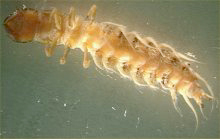
Larva
🕒 Interesting Facts
Did you know that the eastern dobsonfly can live for up to 3 years, but most of that time is spent as larvae? 🕒Their unique layout of wings, antennae, and large jaws are perfect for their ecological role! Interestingly, adult males can sometimes be heard making low sounds to attract females during mating rituals, which is quite rare in insects! 🎶They are also likened to dragonflies, making them a cool subject for comparison. Keep your eyes peeled next time you’re out near water—you might just spot one! 👀
Go deeper🌍 Conservation Status
As of now, the eastern dobsonfly is not considered endangered and is relatively common. 🌍However, they can be affected by environmental changes. Like many insects, they might face challenges due to habitat loss and pollution. It’s important to protect their natural habitats to ensure their populations remain stable. Watershed management and pollution control are essential to keeping rivers and streams clean, which will help these amazing insects thrive! 💧
Go deeper🐉 Cultural Significance
In some cultures, the eastern dobsonfly is associated with folklore and myths. 🐉People sometimes believe that seeing a dobsonfly can bring good luck! In some Native American tribes, their life cycle is seen as a symbol of transformation and renewal. Kids often find them fascinating due to their size and appearance, making them popular in nature study programs. 🏞️ Learning about dobsonflies can spark interest in science and nature among young learners!
Go deeper🦅 Predators And Threats
The eastern dobsonfly faces threats from various predators, including birds, fish, and other insects. 🦅Fish might eat dobsonfly larvae before they can transform into adults! Additionally, human activities like pollution in water sources can harm these insects. Since they need clean water to thrive, pollution can threaten their populations significantly. 😢It’s important to keep our rivers clean to protect these beautiful creatures and their habitats!
Go deeper🐛 Diet And Feeding Habits
Eastern dobsonflies are primarily carnivorous. As larvae, they eat other small aquatic creatures like insects and worms. 🐛They are excellent predators! Adults, however, mostly consume nectar from flowers. 🌼Their strong mandibles help them access food sources, but adults don’t feed as much as larvae do. As they grow, getting ready to mate becomes their main focus. Even in short bursts of food gathering, their role in the ecosystem helps control the insect population!
Go deeper🥚 Life Cycle And Behavior
The life cycle of the eastern dobsonfly is unique and fascinating! 🥚It starts with eggs laid on vegetation near water. Once the eggs hatch, the larvae, called hellgrammites, live underwater for about one year. They are fierce predators, feeding on smaller aquatic organisms! After this stage, hellgrammites crawl onto land, where they pupate in soil and emerge as adult dobsonflies in a few weeks. This transformation is known as metamorphosis! They are most active at night and can be seen flying around lights. 🌙
Go deeper🌊 Habitat And Distribution
Eastern dobsonflies are usually found near clean, flowing water sources such as rivers and streams. 🌊They enjoy areas with plenty of rocks, ideal for their larvae to develop. These insects are most commonly spotted in the eastern United States, from New York to Florida, and as far west as Wisconsin and Kansas. They prefer warm weather, so you’re more likely to see them during the summer months! 🌞Knowing where they live helps us understand their role in the ecosystem.
Go deeper🦋 Physical Characteristics
Eastern dobsonflies are impressive insects! 🦋They have large, long bodies, with males sporting big mandibles that look like pincers. These pincers can be scary, but they are mainly used in mating rituals—not for biting! Females have smaller mandibles. They have four long wings covered in tiny patterns, often appearing lacey. Their body colors are usually brownish-yellow, blending nicely with their habitats. These unique features are what make dobsonflies quite a sight to see! 👀
Go deeper