The Dutch Revolt was a protracted conflict between the northern provinces of the Netherlands and Spanish rule, ultimately leading to Dutch independence and the establishment of a powerful maritime republic.
Set reading age
View for Kids
Easy to read and understand
View for Students
Clear, detailed explanations
View for Scholars
Deep dives and big ideas
The Dutch Revolt was a big fight that happened from 1568 to 1648 in an area now called the Netherlands 🇳🇱. This was a time when people wanted to break free from Spanish rule, led by King Philip II. The people, known as the Dutch, were unhappy because they wanted more freedom and had different religions than the Spanish. This struggle lasted for 80 years and ended with the Dutch getting their independence! Yay! 🎉This revolt is important because it changed how countries in Europe behaved toward each other and how people thought about freedom.
Religion played a major role in the Dutch Revolt! The Dutch were mostly Protestant, while Spain wanted everyone to be Catholic ⛪. This difference caused arguments and fights. The Spanish punished people harshly for practicing other religions. As the revolt progressed, people began to believe they should be able to practice their faith freely. After winning their independence, the Dutch allowed multiple religions to exist, which made their society more diverse and peaceful 🕊️. The idea of religious tolerance became important around Europe, changing many places forever.
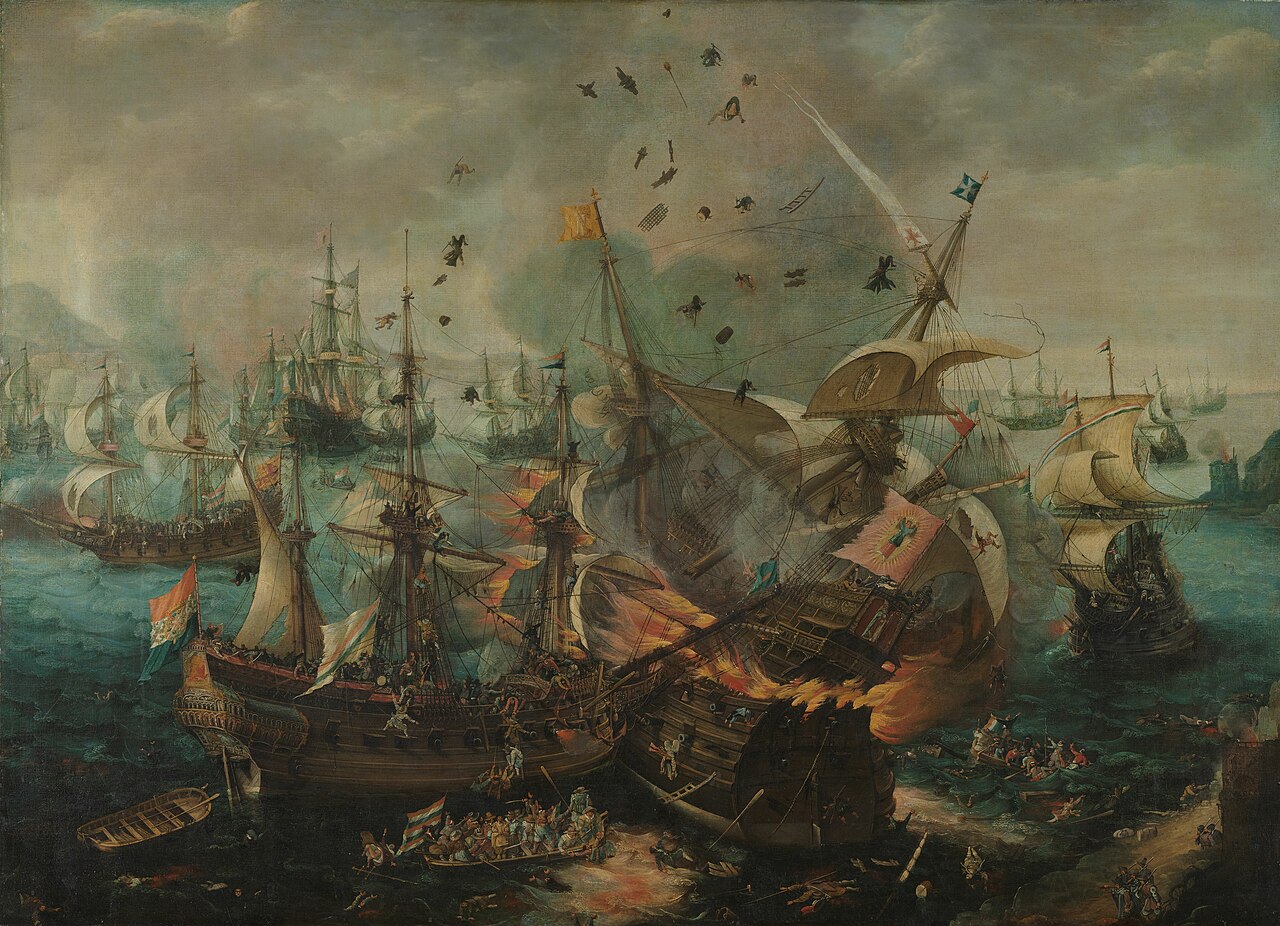
Many battles occurred during the Dutch Revolt! One of the first was the Battle of Heiligerlee in 1568, where the Dutch fought bravely for the first time. The most famous battle was the Siege of Haarlem, taking place from 1572 to 1573, where the Dutch put up a strong fight but sadly lost. 📅The decisive Battle of Nieuwpoort in 1600 was also important as the Dutch Navy was very powerful. Events like the Iconoclasm riots (when Protestant rebels destroyed Catholic images) made the Spaniards very mad! ⚔️
To end the fighting, the Dutch and Spanish signed the Twelve Years’ Truce in 1609 🤝. This stopped the fighting temporarily and allowed the Dutch to grow economically. Eventually, the revolt officially ended with the Peace of Westphalia in 1648. This treaty recognized the independence of the Dutch Republic 🎊. It was important for Europe as other countries started to learn that people could seek independence without being punished. The treaties helped bring about a period of peace, allowing nations to focus on trade and culture!
Several things made the Dutch want to revolt! First, King Philip II was far away in Spain and didn’t understand the Dutch people's needs. Second, the Dutch wanted to practice different religions—many followed Protestantism 💒, while Spanish rulers wanted everyone to be Catholic. Money was another issue! The Dutch were taxed heavily while Spain used the money on their wars. When the Spanish tried to control the Dutch cities, the people pushed back. These frustrations led to the revolt starting in 1568! ✊
The Dutch Revolt left a lasting legacy! First, it showed that people could come together for their freedom, inspiring future movements for independence, like those in America and France 🇺🇸🇫🇷. It also led to the rise of the Dutch Republic, which became a major trade power and set the stage for the Golden Age of Dutch art and science! 🌟The ideas of democracy, secularism, and religious tolerance spread from the Netherlands to other parts of Europe. The revolt reminded everyone of the value of freedom and the courage needed to fight for it! 💪
The Dutch Revolt led to many cultural changes. With independence, people began to express their thoughts through art, music, and literature 🎨. Famous artists like Rembrandt and Vermeer emerged during this time, creating beautiful paintings that people still admire! Socially, people became more open-minded about different belief systems and started to value education 📚 more. The focus on individual rights and freedoms influenced future ideas like democracy, helping shape modern society across Europe!
The Dutch Revolt changed how countries worked together! After the revolt, many countries started to think about using the ideas of nationalism and freedom 🤔. It showed that a group of people could fight for independence. The revolt led to the creation of the Dutch Republic, which became a strong trading power in Europe! This also made other countries, like England and France, think about their own rules and freedoms. The Dutch proved that big countries could be challenged, leading to new political ideas across the continent. 🌍
Some important people during the Dutch Revolt were William of Orange, known as "William the Silent" 👤, who led the fight for freedom. He encouraged unity among the Dutch people. Another key figure was Alva, the Spanish duke who tried to enforce strict rules. His harsh methods made people even angrier! Also, librarians and artists supported the revolt by spreading information and ideas ✍️. All these people played important roles in making the Dutch Revolt successful!


DIY is a creative community where kids draw, build, explore ideas, and share.
No credit card required