Dung Beetle Facts For Kids
Dung beetles are insects that feed on feces, playing a vital role in nutrient recycling and soil health.
Select reading age
Dung Beetle Facts For Kids
Videos & Quizzesincluded
About this topic
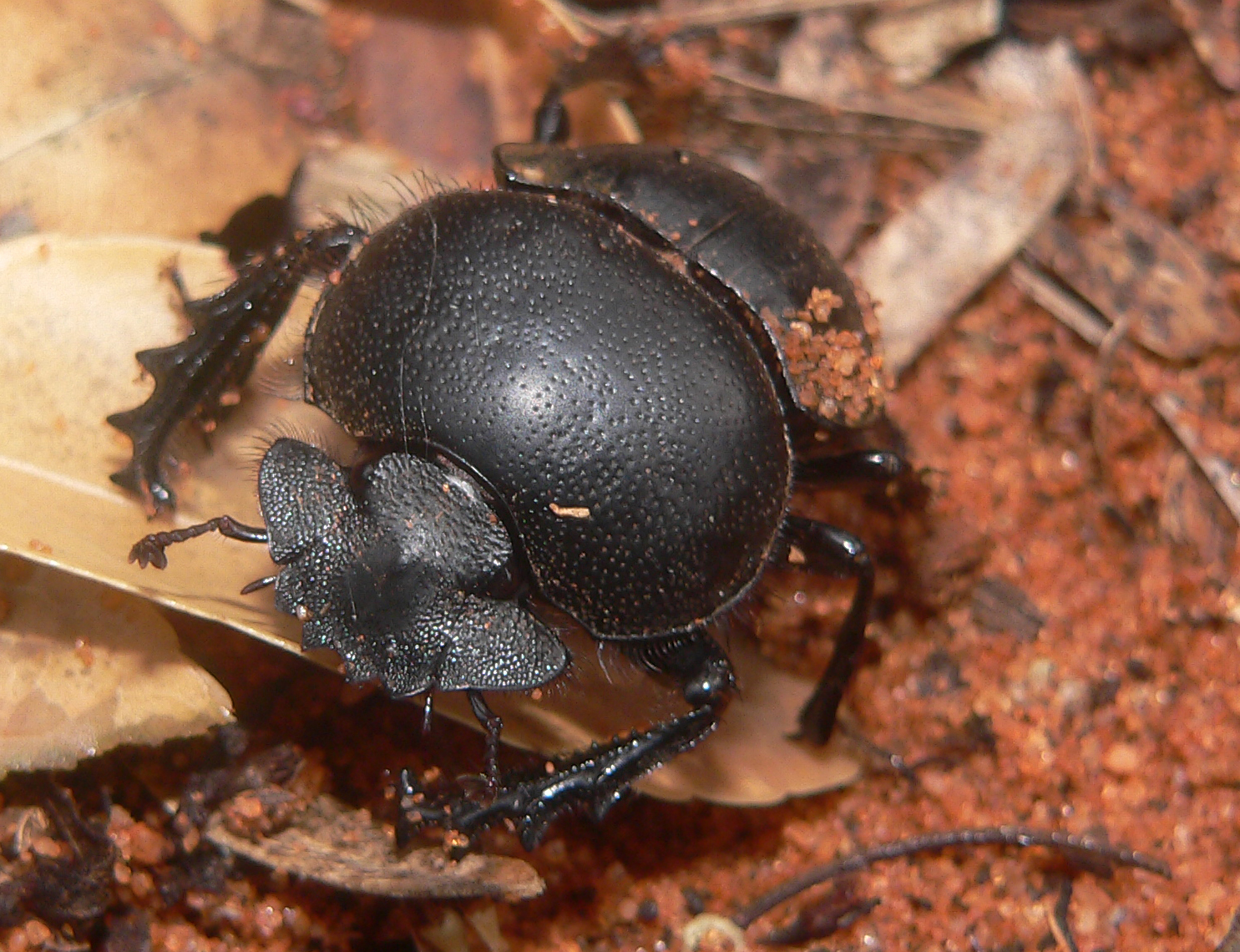
Dung beetles are amazing little insects that are part of the Scarabaeidae family! 🐞They come in many colors, like shiny black, cobalt blue, and bright green. There are about 6,000 different species of dung beetles around the world! 🌍They are found on every continent except Antarctica. Dung beetles help keep our environment clean by eating animal poop, which is why they're called "dung" beetles. Most species are small, measuring between 0.5 to 4 cm in length, and they have strong legs for digging and rolling dung. 🚀
Explore with ChatDinoKey Points
Did you know that some dung beetles can roll balls of dung over 1,000 times their weight?
Dung beetles are essential to the ecosystem!
Dung beetles have been recognized as important symbols in various cultures, especially in ancient Egypt!
Dung beetles primarily eat the feces of herbivores, which is rich in nutrients!
A dung beetle’s life starts as an egg, which the female lays inside a ball of dung.
Dung beetles are adaptable insects that can live in various habitats!
Dung beetles face several threats, including habitat loss due to deforestation and agriculture.
Dung beetles belong to the insect class and are classified under the order Coleoptera.
Photos of Dung Beetle

Dung Beetle — photo 1

Dung Beetle — photo 2

Dung Beetle — photo 3

Dung Beetle — photo 4

Dung Beetle — photo 5

A dung beetle, apparently with two dung balls

Dung Beetle — photo 7

Caution sign showing the importance of dung beetles in South Africa

A scarab statue at the Karnak temple complex
💪 Fun Facts
Did you know that some dung beetles can roll balls of dung over 1,000 times their weight? 💪That’s like a human rolling a car! 🚗Dung beetles can also navigate using the Milky Way! 🌌They are the only insects known to do this! Many species of dung beetles can complete their life cycle in just a few weeks! 🕒What's even more impressive is their ecological impact—one dung beetle can bury the equivalent of a cow's dung in just a few days! Talk about hard workers! 💼
Go deeper🌍 Ecological Role
Dung beetles are essential to the ecosystem! 🌍By breaking down animal dung, they help fertilize the soil, which is great for plant growth. 🌿Their burrowing activities improve soil structure and aeration, allowing for better water absorption. 💧Furthermore, they help control dung-borne parasites that can harm animals! 🐎Dung beetles are often called “nature’s recyclers” because they recycle nutrients, enhancing the health of their habitats. Their presence indicates a healthy environment, making them super important creatures!
Go deeper🪙 Cultural Significance
Dung beetles have been recognized as important symbols in various cultures, especially in ancient Egypt! 🇪🇬 Egyptians admired the scarab beetle and considered it a symbol of rebirth and regeneration. They even carved scarab-shaped amulets to honor these insects! 🪙The sacred scarab was seen as a connection to the sun god, Ra, believed to roll the sun across the sky like a beetle rolls dung! Today, dung beetles remind us of nature's recycling heroes and help teach about biodiversity and conservation! 🌟
Go deeper🍃 Diet And Feeding Habits
Dung beetles primarily eat the feces of herbivores, which is rich in nutrients! 🍃They use their strong jaws to break down the dung and help recycle nutrients back into the soil. 🌱Some dung beetles are specialized and only eat specific types of animal poop. For example, the Horned Scarab prefers rhino dung! 🦏Dung beetles also eat decaying plants and fungi, making them true recyclers of nature! By feeding on dung, they help lower the number of parasites in the environment! 🍂
Go deeper💩 Life Cycle And Behavior
A dung beetle’s life starts as an egg, which the female lays inside a ball of dung. 💩Once the egg hatches, the larva munches on the dung until it transforms into a pupae. This pupae stage is where the beetle undergoes metamorphosis—like a caterpillar turning into a butterfly! 🦋Eventually, the adult beetle emerges. Dung beetles are very social and often work together to roll their dung balls, which can be many times their size! 🤝They use their keen sense of smell to locate dung from far away! 👃
Go deeper🌿 Habitat And Distribution
Dung beetles are adaptable insects that can live in various habitats! 🌿They are often found in grasslands, forests, and even deserts, as long as there is animal poop around. They thrive in places with lots of herbivores like cattle, elephants, and deer! 🐘🦙 Dung beetles are most common in tropical regions, like Africa and South America. 🦜However, they can also be found in North America and Europe! From savannas to pasture lands, these beetles play an important role wherever they live! 🌍
Go deeper🌳 Threats And Conservation
Dung beetles face several threats, including habitat loss due to deforestation and agriculture. 🌳Pesticides can also harm their populations, affecting their ability to break down dung. Climate change is another concern, as it may alter their habitats and food sources. 🌡️ Many organizations are working to protect these valuable insects by promoting sustainable land-use practices. People are encouraged to plant native vegetation and reduce pesticide use. Supporting dung beetles helps maintain a healthy environment for all living creatures! 🌱
Go deeper😃 Classification And Species
Dung beetles belong to the insect class and are classified under the order Coleoptera. 😃This order includes all beetles! There are three main groups of dung beetles: tunneling, rollers, and dwellers. 🐞The tunneling type digs into the ground to bury dung, while rollers are famous for rolling dung into balls and taking it home. Lastly, dwellers feed on dung that is already on the ground! Some popular species include the Rainbow Scarab and the Giant Horned Beetle. 🌈🐞
Go deeper