All Articles

Douglas Dc-3

Douglas Dc-3 Facts For Kids

The Douglas DC-3 is a propeller-driven airliner designed by the Douglas Aircraft Company, which transformed air travel and has impacted aviation history significantly since the 1930s.
🎨 Reading age for 6-8
Background blob
Douglas Dc-3
Douglas Dc-3
Facts for Kids!
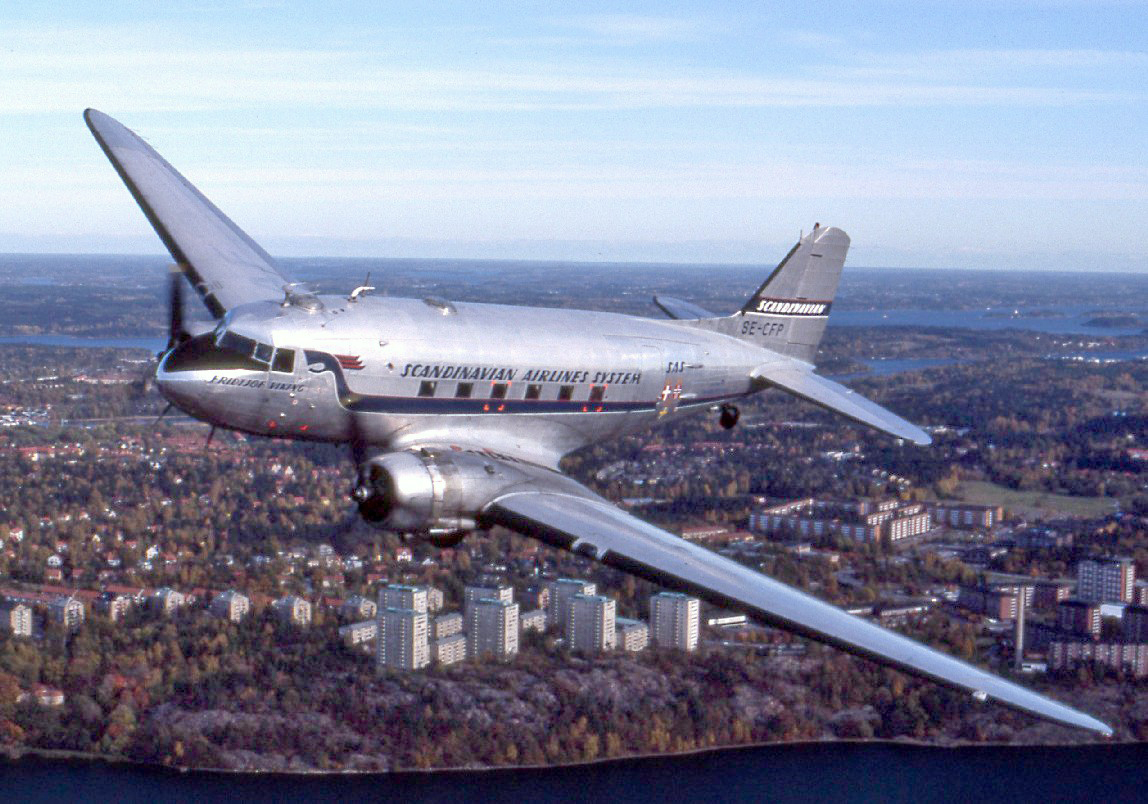
Image by Towpilot, licensed under Creative Commons Attribution-Share Alike 3.0

Do more with AI

Introduction

The Douglas DC-3 is a super cool airplane that changed flying forever! 🌍✈️ It was created by the Douglas Aircraft Company in the 1930s. The DC-3 could carry passengers and cargo across long distances. It first flew in 1935 and quickly became famous. People loved it because it was fast and comfortable! This airplane also played an important role during World War II, helping transport troops and supplies. Over 16,000 DC-3 planes were built, making it one of the most successful aircraft ever! Even today, many DC-3s are still flying because they are so well-designed!

Images of Douglas Dc-3

DC-3 airliner cabinImage by Eugenio Hansen, OFS, licensed under Creative Commons Attribution-Share Alike 4.0

DC-3 airliner cabin

Douglas Sleeper Transport (DST) showing the second row of windows for the upper bunk beds, above the airline titlesImage by Bill Larkins, licensed under Creative Commons Attribution-Share Alike 2.0

Douglas Sleeper Transport (DST) showing the second row of windows for the upper bunk beds, above the airline titles

Wright R-1820 Cyclone 9 engine of American Airlines "Flagship Knoxville"[10]

Wright R-1820 Cyclone 9 engine of American Airlines "Flagship Knoxville"[10]

Ex-military Air Atlantique C-47B at RAF Hullavington in 2005

Ex-military Air Atlantique C-47B at RAF Hullavington in 2005

BSAS C-47–65ARTP powered by Pratt & Whitney Canada PT6-65AR turboprop enginesImage by Alan Radecki Akradecki, licensed under Creative Commons Attribution-Share Alike 4.0

BSAS C-47–65ARTP powered by Pratt & Whitney Canada PT6-65AR turboprop engines

Aigle Azur (France) Douglas C-47B in 1953, with a ventral Turbomeca Palas booster jet for hot and high operationsImage by RuthAS, licensed under Creative Commons Attribution 3.0

Aigle Azur (France) Douglas C-47B in 1953, with a ventral Turbomeca Palas booster jet for hot and high operations

Air India DC-3 at London Heathrow Airport in 1958Image by Jim halley, licensed under Creative Commons Attribution-Share Alike 3.0

Air India DC-3 at London Heathrow Airport in 1958

Iranian National Airways DC-3 in 1954Image by RuthAS, licensed under Creative Commons Attribution 3.0

Iranian National Airways DC-3 in 1954

DC-3 on amphibious EDO floats in 2003.Image by TimothyMN ( talk ), licensed under Creative Commons Attribution-Share Alike 3.0

DC-3 on amphibious EDO floats in 2003.

DC-3 airliner cabinImage by Eugenio Hansen, OFS, licensed under Creative Commons Attribution-Share Alike 4.0

DC-3 airliner cabin

Douglas Sleeper Transport (DST) showing the second row of windows for the upper bunk beds, above the airline titlesImage by Bill Larkins, licensed under Creative Commons Attribution-Share Alike 2.0

Douglas Sleeper Transport (DST) showing the second row of windows for the upper bunk beds, above the airline titles

Wright R-1820 Cyclone 9 engine of American Airlines "Flagship Knoxville"[10]Image by Z22, licensed under Creative Commons Attribution-Share Alike 4.0

Wright R-1820 Cyclone 9 engine of American Airlines "Flagship Knoxville"[10]

Ex-military Air Atlantique C-47B at RAF Hullavington in 2005

Ex-military Air Atlantique C-47B at RAF Hullavington in 2005

BSAS C-47–65ARTP powered by Pratt & Whitney Canada PT6-65AR turboprop enginesImage by Alan Radecki Akradecki, licensed under Creative Commons Attribution-Share Alike 4.0

BSAS C-47–65ARTP powered by Pratt & Whitney Canada PT6-65AR turboprop engines

Aigle Azur (France) Douglas C-47B in 1953, with a ventral Turbomeca Palas booster jet for hot and high operationsImage by RuthAS, licensed under Creative Commons Attribution 3.0

Aigle Azur (France) Douglas C-47B in 1953, with a ventral Turbomeca Palas booster jet for hot and high operations

Air India DC-3 at London Heathrow Airport in 1958Image by Jim halley, licensed under Creative Commons Attribution-Share Alike 3.0

Air India DC-3 at London Heathrow Airport in 1958

Iranian National Airways DC-3 in 1954Image by RuthAS, licensed under Creative Commons Attribution 3.0

Iranian National Airways DC-3 in 1954

DC-3 on amphibious EDO floats in 2003.Image by TimothyMN ( talk ), licensed under Creative Commons Attribution-Share Alike 3.0

DC-3 on amphibious EDO floats in 2003.

Notable Users

Many famous airlines used the DC-3, making it popular globally! 🌎American Airlines was one of the first to operate it commercially. Other notable users include Delta Airlines and Trans World Airlines (TWA). Military forces from various countries also put the DC-3 to good use during and after World War II. The U.S. Army, Canadian Armed Forces, and even Air Forces from other nations flew DC-3s! Its amazing versatility allowed many people to experience flying, making it an important part of aviation history! 🛬

Cultural Impact

The DC-3 has appeared in many movies, books, and songs! 🎥🎶 It represents adventure and excitement, as people dreamed of flying to faraway places. One famous movie featuring the DC-3 is "The Last Airlift," about its role during the Berlin Airlift in 1948. The DC-3 also symbolizes the golden age of aviation, when flying became accessible to ordinary people. Its design is so iconic that many airplane enthusiasts and collectors celebrate this amazing plane. Even today, it inspires future generations of pilots and engineers to explore flying!

Operational History

The DC-3 made its first flight for commercial airlines in 1936. It quickly became popular among airlines like American Airlines and United Airlines. 🌟During World War II, many DC-3s were converted for military use, known as the C-47 Skytrain. These planes helped transport soldiers and supplies, making a huge difference in the war effort. After the war, many DC-3s returned to commercial flying. The airplane helped make jet travel more common by proving that flying could be safe and fun! ✈️ Even today, some DC-3s are still in service, showing how special this airplane is!

Design And Development

The DC-3 was designed by a team led by aircraft designer Donald Douglas. It has a sleek, curvy shape that helps it fly smoothly through the air. 🛩️ The airplane can seat around 21-32 passengers depending on the layout. The first DC-3 was powered by two powerful Pratt & Whitney engines, giving it a top speed of about 207 mph (333 km/h)! It was built using strong materials like aluminum, making it both sturdy and lightweight. This innovative design allowed it to fly farther than most planes of its time, making air travel much more accessible for everyone!

Accidents And Incidents

Like all airplanes, the DC-3 has had its share of accidents. ⚠️ The first accident occurred in 1937 but, overall, it is considered a safe plane because of its strong design. Most incidents were due to bad weather or pilot error rather than issues with the aircraft itself. Safety improvements have been made to flying since then. Resources like training for pilots and better weather forecasting make flying much safer today. The DC-3 showed that even when accidents happen, the safety of passengers is always a priority!

Technical Specifications

The DC-3 measures 64 feet long and has a wingspan of 95 feet - that's about the length of 3 school buses! 🚍🚌 It can fly at an altitude of 21,000 feet and has a maximum range of about 1,500 miles (2,414 km). The planes carry around 1,500-2,000 pounds of cargo! The DC-3 was originally designed to hold passengers, but it could also be used for carrying mail and helpful supplies. With a cruising speed of 175 mph (282 km/h), it was one of the fastest commercial planes of its time, allowing people to travel more quickly.

Variants And Modifications

There are different versions of the DC-3, each with unique features. One popular version is the C-47 Skytrain, used during World War II. 🪖Another version is the Super DC-3, which has more powerful engines and can carry more passengers. DC-3s have also been modified for special uses, like firefighting! Some planes have been turned into cargo carriers or even luxury travel planes, complete with comfy seating. Different airlines and companies have tailored their DC-3s to fit their needs, leading to a variety of styles and designs. 🌈

Preservation And Restoration

Many DC-3 planes have been lovingly preserved, allowing future generations to see this marvelous aircraft. Museums like the Smithsonian National Air and Space Museum in Washington, D.C., have DC-3s on display. 🏛️ Some groups work hard to restore old DC-3s so they can fly again. People who love aviation often volunteer their time and skills to fix these planes. Restoration projects help keep the history of the DC-3 alive while teaching younger generations about its importance in aviation and world history!

Comparison With Contemporaries

When compared to other planes of its time, like the Lockheed 12 and the Boeing 247, the DC-3 stands out! 🌟The DC-3 could carry more passengers and had a longer range than its competitors. For instance, the Boeing 247 could only carry about 10 passengers, while the DC-3 could carry up to 32! Additionally, the DC-3's robust design allowed it to perform well in various conditions. Its performance made it a favorite for airlines and the military, solidifying its place as a legendary aircraft in aviation history! 🛫

Douglas Dc-3 Quiz

Q1
Question 1 of 10

Learn more about Douglas Dc-3

Ready to create?

Make

To create a safe space for kid creators worldwide!

Create

Vibe Coding

Kids GPT

All Tools

Kibu

Resources

Worksheets

SafeTube

Blog

FAQ

Account

Pricing

Log-in

Sign-up

Data Deletion

Company

About

Community Guidelines

Privacy Policy

Terms of Service

2025, URSOR LIMITED. All rights reserved. DIY is in no way affiliated with Minecraft™, Mojang, Microsoft, Roblox™ or YouTube. LEGO® is a trademark of the LEGO® Group which does not sponsor, endorse or authorize this website or event. Made with love in San Francisco.