Dnieper Facts For Kids
The Dnieper is one of Europe's major rivers, flowing through Russia, Belarus, and Ukraine into the Black Sea and is vital for many communities and wildlife.
Select reading age
Dnieper Facts For Kids
Videos & Quizzesincluded
About this topic
The Dnieper River (pronounced NEE-pər) is one of Europe’s great rivers! 🏞️ It stretches about 2,285 kilometers (1,420 miles) long. It starts in the Valdai Hills near Smolensk, Russia and flows through Belarus and Ukraine before reaching the Black Sea. The river is important for many reasons, like transporting goods and providing drinking water. 🌊People have lived near the Dnieper for thousands of years, and it has helped shape the cultures around it. Have you ever heard of rivers being called "highways of the past?" That's exactly what the Dnieper has been for many civilizations! 🚤
Explore with ChatDinoQuick Facts
Key Points
The Dnieper River is key to the economy of the regions it flows through!
The Dnieper River has a unique journey!
The Dnieper River is a treasure of biodiversity!
The Dnieper River is a fantastic place for recreation and fun!
The Dnieper River has a diverse watershed, which is the land area that drains into the river.
Sadly, the Dnieper River faces some challenges!
Throughout history, the Dnieper River has been incredibly important!
As the Dnieper flows, it passes through several vibrant cities!
The Dnieper River has inspired many myths and stories!
Photos of Dnieper

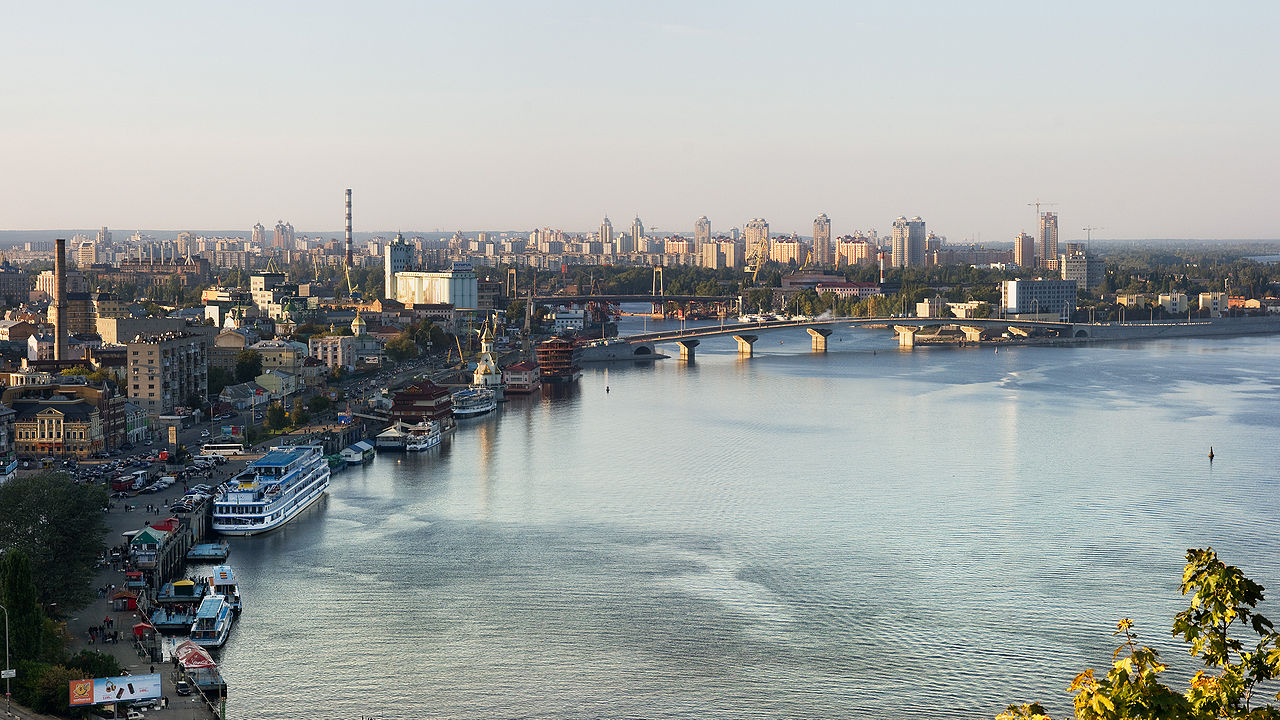
Dnieper — photo 1

Human representation of the Dnieper river (known as Borysthenes) on an Ancient Greek coin of Pontic Olbia, 4th–3rd century BC

Pre-1918 photo with the old spelling of Dnieper (Днѣпръ)

Waterbodies in Belarus, including a section of the Dnieper river

Context of the Dnieper basin showing peoples in the ninth century

Rapids at Dnieper in 1915

Tractus Borysthenis or Dnieper (from Bovzin city to Chortyca island) in 1662

Thematic map (upper) and false-colour IR from satellite images of the Dnieper delta, captured 8 August 2015

Satellite image of the Dnieper and its tributaries
💰 Economic Uses
The Dnieper River is key to the economy of the regions it flows through! 💰It is used for shipping goods, like coal and grain, which helps people earn a living. The river connects cities and makes it easier for companies to move products around. The reservoirs also create hydroelectric power, generating electricity for millions of homes! ⚡This energy is important because it helps power everything from schools to factories. Additionally, many people rely on the Dnieper for fishing, tourism, and recreational activities. The river helps support the economy in many positive ways! 🎣
Go deeper🌍 Geography And Course
The Dnieper River has a unique journey! 🌍It starts in the Valdai Hills, which are in the northwest of Russia, and flows through three countries: Russia, Belarus, and Ukraine. The river ends in the Black Sea, flowing through lovely cities like Kyiv and Dnipro. 🏙️ The Dnieper's course is winding, and it passes through beautiful landscapes, including forests and hills! It is also the fourth longest river in Europe, so it’s quite significant. The river splits into several arms, forming islands like the famous Kyiv Island. 🏝️ Can you imagine how much fun it would be to explore all these places along the Dnieper?
Go deeper🌱 Ecological Importance
The Dnieper River is a treasure of biodiversity! 🌱It supports many plants and animals. Fish like pike, perch, and catfish can be found swimming in its waters, while birds like herons and storks make their homes along the banks. The riverbanks are also habitats for various animals, including otters and beavers! 🦦The surrounding wetlands are crucial for maintaining clean water and provide a home for frogs and turtles. Protecting the Dnieper’s ecosystem is vital because it helps support not only wildlife but also the people living nearby. Nature is truly beautiful here! 🐢
Go deeper🚤 Recreation And Tourism
The Dnieper River is a fantastic place for recreation and fun! 🚤People love to kayak and paddleboard along its waters during warm sunny days. There are many beautiful spots for picnicking, hiking, and birdwatching. Families can enjoy boat trips, taking in the sights and sounds of nature! 🚢There are also organized tours that teach people about the history and ecology of the river. In Kyiv and Dnipro, you can find cruises that offer spectacular views! 🌅Events like river festivals celebrate the Dnieper, bringing people together to enjoy music, food, and culture! 🎶
Go deeper🌧️ Hydrology And Watershed
The Dnieper River has a diverse watershed, which is the land area that drains into the river. 🌧️ This watershed covers about 504,000 square kilometers (194,000 square miles) and includes lakes, streams, and wetlands. Rain and snowmelt feed the river, making it important for the communities nearby. The Dnieper has two big reservoirs: the Kyiv Reservoir and the Dnipro Reservoir. 🌊These help to regulate the water level, which is essential for both wildlife and human activities. Thanks to these natural systems, the Dnieper flows throughout the year, providing resources and beauty to everyone! 🌻
Go deeper😟 Threats And Environmental Issues
Sadly, the Dnieper River faces some challenges! 😟Pollution from factories and farms can harm the water quality. Many trees and plants along the riverbanks are threatened by urban development, which can hurt the habitats of animals and birds. Climate change also affects how much water flows in the Dnieper, causing droughts or floods. 🌧️ To protect this precious river, people are working hard to clean it and conserve its ecosystems. Community efforts and projects are essential for a healthier Dnieper, ensuring that it remains a beautiful resource for future generations! 🌿
Go deeper🏰 History And Cultural Significance
Throughout history, the Dnieper River has been incredibly important! 🏰Ancient tribes used it for trade and travel. The river was called "Borysthenes" in Ancient Greece and was known for its beauty. People settled along its banks and built cities. The Dnieper was also central during the Viking Age! 🚀Vikings traveled through the river to reach other parts of Europe. The river is featured in many stories and songs, making it an essential part of Ukrainian culture. Even today, people celebrate events on the Dnieper, connecting them to their rich history! 🎉
Go deeper🏙️ Cities And Landmarks Along The Dnieper
As the Dnieper flows, it passes through several vibrant cities! 🏙️ One of the biggest is Kyiv, the capital of Ukraine, where you can see the stunning Saint Sophia Cathedral. Another important city is Dnipro, known for its beautiful waterfront. The famous Pivdennyi Bridge connects different parts of the city! 🌉A landmark on the river is the Kyiv Hydro Power Plant, generating electricity for the region. Along the river, you can find parks, beaches, and spots to enjoy nature, making it a wonderful place to explore! 🏖️ Each city tells a unique story along the Dnieper's course!
Go deeper🌊 Myths And Folklore Related To The Dnieper
The Dnieper River has inspired many myths and stories! 🌊One popular legend in Ukraine is about the river personified as a goddess. People believed that if they made offerings, she would bless them with good fortunes! Long ago, it was said that when the Dnieper sang, it fulfilled wishes! 🌟Many songs and poems celebrate the river, reflecting its beauty and importance in everyday life. Even today, the Dnieper is often featured in art and literature, keeping these comforting stories alive! So the next time you see a river, remember the magic flowing in it! 🎤
Go deeper