Darling River Facts For Kids
The Darling River is Australia's third-longest river, stretching 1,472 kilometers from northern New South Wales to its convergence with the Murray River.
Select reading age

Darling River Facts For Kids
Videos & Quizzesincluded
About this topic
The Darling River is super special! 🌊It’s the third-longest river in Australia, stretching about 1,472 kilometers long! That’s longer than 18 soccer fields lined up! ⚽️ It begins its journey in northern New South Wales, where the water flows from the mountains. It finally meets the Murray River at Wentworth. The river is named after Sir Ralph Darling, who was the governor of New South Wales in the 1800s. It provides water for many people, animals, and plants. The Darling is an important part of life for many towns along its banks. Isn’t nature amazing? 🌿
Explore with ChatDinoKey Points
The Darling River has some important friends – its tributaries!
The Darling River is not just beautiful but also helps people make a living!
The Darling River has seen many changes over time!
For thousands of years, Indigenous people have nurtured and cared for the Darling River!
There are tons of fun things to do along the Darling River!
The Darling River faces some tough challenges!
The Darling River runs through a vast landscape!
The Darling River has a rich history!
Taking care of the Darling River is super important!
The Darling River is home to lots of amazing plants and animals!
Photos of Darling River

The flood in the Darling, 1890, oil on canvas by William Charles Piguenit

Darling River at Louth
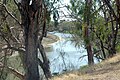
Darling River — photo 3

Darling River — photo 4

Darling River — photo 5

Darling River — photo 6

Darling River — photo 7
🌊 Major Tributaries
The Darling River has some important friends – its tributaries! 🌊These are smaller rivers that flow into the Darling. Some of the major tributaries include the Namoi River, Gwydir River, and Barwon River. They help transport water, making the Darling River even bigger! The Barwon River, for example, flows from Queensland into New South Wales. ✨These tributaries are crucial for the riverside ecosystem, providing homes for various plants and animals. They also support farming and local communities. It’s like having a big family of rivers working together! Isn’t that neat? 🌼
Go deeper💰 Economic Importance
The Darling River is not just beautiful but also helps people make a living! 💰Many farmers use the river for irrigation, which gives life to their crops, like fruit and vegetables. The river also supports fishing and tourism. People love to visit for boating, camping, and enjoying picnics by the water. 🏕️ Towns along the river benefit from the visitors who come to fish, kayak, or enjoy nature. The river is crucial for keeping local economies strong and healthy! Can you imagine all the fun adventures waiting there? 🚣
Go deeper🏞️ Historical Land Use
The Darling River has seen many changes over time! 🏞️ The Indigenous people lived in harmony with the river for thousands of years, using its resources wisely. Later, European settlers arrived and began farming. They created farms and towns along the banks, turning the area into a bustling economic hub. 🚜With the introduction of industries like fishing and transportation, the river became a vital resource for trading goods. Understanding historical land use helps us appreciate how the river has shaped communities and cultures. What story do you think the river would tell if it could talk?
Go deeper🌊 Indigenous Connections
For thousands of years, Indigenous people have nurtured and cared for the Darling River! 🌊The Barkindji, Ngiyampaa, and Yuwaalayaay peoples have deep connections to the river. They share beautiful stories, songs, and dances that tell of their heritage and history. The river is not just a water source; it holds significant cultural meaning. 🎶Indigenous people have traditional knowledge about the plants and animals in the area, helping others understand how to live sustainably. Learning about these connections helps everyone respect and protect the river. What can we learn from their stories?
Go deeper🚣♂️ Recreational Activities
There are tons of fun things to do along the Darling River! 🚣♂️ People love canoeing, kayaking, and fishing. Imagine paddling down shimmering waters with friends and family! 🎣Some places even have boat tours, where you can spot wildlife and learn about the river. Camping is popular too, with wonderful spots near the banks for starry nights and campfire stories. 🌌People also bike and walk along trails near the river, making it an excellent spot for exercise and fun. What activity would you choose to have the best day ever?
Go deeper🌍 Environmental Challenges
The Darling River faces some tough challenges! 🌍One of the biggest problems is pollution, caused by things like rubbish and chemicals from farms. This pollution can hurt the plants and animals that live in the water. Another issue is drought, which happens when there isn’t enough rain. 🌵This can make the river dry up, hurting the fish and birds that rely on it. Overuse of water for farming can also lower the river's water levels. People are trying to find ways to help the river by cleaning up and planting trees! 🌱
Go deeper🏞️ Geography Of The Darling River
The Darling River runs through a vast landscape! It starts in the Great Dividing Range in New South Wales and flows down to the flat plains. 🏞️ You can find the river winding its way through gorgeous towns like Bourke, Walgett, and Mildura. The river creates beautiful wetlands and vibrant ecosystems. Flood plains fill up during rainy seasons, creating homes for many creatures! 🌼The Darling also travels through stunning deserts and farmland. Its muddy banks are perfect for exploring or picnicking. Don't forget to look out for the kookaburras and kangaroos that live nearby! 🦘
Go deeper🌟 History And Cultural Significance
The Darling River has a rich history! 🌟It was an essential water source for many Indigenous Aboriginal groups, like the Barkindji, Ngiyampaa, and Yuwaalayaay. They have lived near the river for thousands of years. The river is very important in their stories, songs, and traditions. Many Aboriginal people still have strong connections to the Darling today. When European settlers arrived in the 1800s, they used the river for farming and trade. The river's history is filled with exciting tales of explorers, paddle steamers, and even bushrangers! 🚢
Go deeper🌱 River Management And Conservation
Taking care of the Darling River is super important! 🌱River management helps make sure the water stays clean and the ecosystems healthy. There are groups and organizations working together to monitor pollution and protect wildlife. 🌍People also plant trees and restore habitats to create better living spaces for animals. Conservation helps everyone learn about the river’s history and encourages nature appreciation. With everyone’s help, the Darling River can keep flowing freely and beautifully for future generations! Let's become river heroes! 💚
Go deeper🌼 Flora And Fauna Of The Darling River
The Darling River is home to lots of amazing plants and animals! 🌼You can find beautiful trees like river red gums, which can grow very tall! Their strong roots help support riverbanks. The river also hosts many animals, like fish, frogs, and birds. 🎣The Murray cod, one of Australia's largest freshwater fish, swims here, along with perch and catfish! Don’t forget the platypus, which loves to frolic in the water! 🦄Lots of birds, such as pelicans and swans, call this river home. Can you imagine all the colorful creatures living along the banks?
Go deeper