Culicidae Facts For Kids
Culicidae, commonly known as mosquitoes, are a family of tiny flies that include about 3,600 species and play important roles in ecosystems.
Select reading age

Culicidae Facts For Kids
Videos & Quizzesincluded
About this topic
Culicidae, commonly known as mosquitoes 🦟, are small flying insects that belong to a big family! There are about 3,600 different species of mosquitoes all around the world! They are often seen in warm, wet areas like swamps, lakes, and even your backyard during summer! Mosquitoes are known for their buzzing sound and for biting humans and animals to drink their blood. But did you know not all mosquitoes bite? Males usually do not! They play important roles in nature, so let’s learn more about these tiny creatures! 🌍
Explore with ChatDinoQuick Facts
Key Points
Mosquitoes are famous for their blood-feeding habits!
Mosquitoes play important roles in nature!
Many scientists are studying mosquitoes to understand how they can impact our world.
Mosquitoes have become part of our culture!
During mating, male mosquitoes produce a unique sound by flapping their wings, hoping to attract a female!
Mosquitoes are found almost everywhere in the world, except in very cold areas like Antarctica.
Mosquitoes are tiny, usually about 3 to 6 millimeters long!
Mosquitoes go through four different life stages: egg, larva, pupa, and adult!
Mosquitoes belong to the order Diptera, which means "two wings" in Greek.
Unfortunately, some mosquitoes carry diseases that can make people sick.
Photos of Culicidae

Culicidae — photo 1

Culicidae — photo 2

Culicidae — photo 3


Culicidae — photo 5
Culicidae — photo 6


Female Aedes sp. feeding on blood from a human arm.

Culicidae — photo 9
🥚 Feeding Habits
Mosquitoes are famous for their blood-feeding habits! Only female mosquitoes bite because they need nutrients to lay eggs. 🥚They can smell carbon dioxide and body heat from animals, guiding them towards their next meal. Mosquitoes don’t just feed on blood; they also enjoy nectar from flowers for energy! 🌼This makes them important pollinators. Interestingly, a mosquito’s favorite food varies by species. Some love humans, while others prefer birds! So, mosquitoes are not just hungry for blood—they love sweets too! 🍯
Go deeper🦟 Role In Ecosystems
Mosquitoes play important roles in nature! 🦟They are food for many animals, including birds, bats, and frogs. This means that without mosquitoes, these animals might not have enough to eat! Mosquito larva also helps clean the water by feeding on algae. 🌊In some places, they help pollinate plants, making them essential for ecosystems. However, some mosquitoes can spread diseases, which means they can also be harmful to humans and animals. It’s a mix of good and bad in the world of mosquitoes! ⚖️
Go deeper🌍 Conservation Status
Many scientists are studying mosquitoes to understand how they can impact our world. 🌍Some species, like the Aedes albopictus (Asian tiger mosquito), are spreading to new areas and can cause problems. Environmental changes can also affect mosquito populations, sometimes leading to declines in species. It’s essential to protect our ecosystems and keep them healthy! 🌳Learning about insects like mosquitoes can help us understand how to keep our environment balanced, which is vital for our well-being! 🦋
Go deeper🌍 Cultural Significance
Mosquitoes have become part of our culture! 🌍In many stories and songs, they are depicted as annoying pests. 🦟However, they also teach us lessons about nature and care for our environment! Some people even use mosquito repellent in rituals to keep them away. There are jokes and movies about mosquitoes that bring laughter. They remind us that, like all creatures, they have a place in our world—even if it's buzzing by our ears! 🎉Mosquitoes are tiny teachers in their own right! 📚
Go deeper🎶 Reproductive Behavior
During mating, male mosquitoes produce a unique sound by flapping their wings, hoping to attract a female! 🎶After mating, the female bites a host to get blood, which helps her to develop eggs. Females may lay hundreds of eggs at once, often in clusters. 🥚Once the eggs are laid, the cycle starts over. Some female mosquitoes can live for weeks or even months, depending on the species and the environment. They are very hardworking parents in their tiny world! 🌈
Go deeper🥶 Habitat And Distribution
Mosquitoes are found almost everywhere in the world, except in very cold areas like Antarctica. 🥶They love warm, humid places, especially near standing water, like ponds and marshes. Some mosquitoes can even live near saltwater! 🌊In tropical rainforests of Brazil to the wetlands of Florida, you can find many species of mosquitoes flying around. This means that wherever there is water and warmth, you’re likely to find these buzzing insects. They truly enjoy living in places where they can easily find food! 🌿
Go deeper🦟 Physical Characteristics
Mosquitoes are tiny, usually about 3 to 6 millimeters long! They have long legs and a slender body, which helps them fly easily. 🦟Their mouthparts are sharp and needle-like, perfect for biting! They also have large wings that can make a buzzing sound when they fly. Interestingly, they have special receptors on their legs that help them detect body heat and carbon dioxide from animals. This helps them find their next meal! Some mosquitoes have colorful patterns on their bodies, making them look very pretty, while others are plain! 🌈
Go deeper🥚 Life Cycle And Development
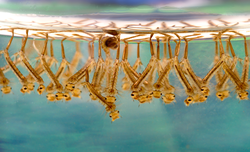
Mosquitoes go through four different life stages: egg, larva, pupa, and adult! 🥚The female mosquitoes lay eggs on water surfaces. The eggs hatch into tiny larva called "wigglers," which swim around. After a few days, they become pupae, also known as "tumblers." 🎏 Finally, they emerge as adult mosquitoes! This whole process can take anywhere from a week to several months, depending on the temperature and conditions. It’s like a magic transformation, where they go from tiny wigglers to buzzing insects! 🪄
Go deeper🌼 Taxonomy And Classification
Mosquitoes belong to the order Diptera, which means "two wings" in Greek. They are classified into several groups called "genera," with some common ones being Aedes, Anopheles, and Culex. 🌼The genus Aedes includes the famous Aedes aegypti, known for spreading diseases like dengue fever! Anopheles mosquitoes are crucial for spreading malaria. Each type is important to study because some are harmful, and some are not! Taxonomy helps scientists understand how everything is related, like a big family tree of insects! 🌳
Go deeper🦠 Diseases Transmitted By Culicidae
Unfortunately, some mosquitoes carry diseases that can make people sick. 🦠For example, Aedes aegypti spreads dengue fever and Zika virus. Anopheles mosquitoes can transmit malaria, a very serious illness. 😷It’s important to know where mosquitoes are and how to protect ourselves from bites. Wearing insect repellent, covering up with long sleeves, and getting rid of standing water can help keep mosquitoes away. This way, we can enjoy the outdoors without worrying about the illness they may carry. 🌞
Go deeper