Crab-eating Macaque Facts For Kids
The crab-eating macaque, also known as the long-tailed macaque, is a playful primate native to Southeast Asia, recognized for its adaptability and long tail.


Do more with AI
Introduction
The crab-eating macaque, also called the long-tailed macaque or cynomolgus macaque, is a playful and clever monkey found in Southeast Asia! 🐒These fascinating animals live in countries like Thailand, Malaysia, and Indonesia. They love to hang out near rivers and beaches where they can find tasty food. Their name comes from their love of eating crabs, but they munch on fruits, seeds, and even insects! With their long tails and expressive faces, crab-eating macaques are known for their social and lively behavior, making them a favorite for people who enjoy watching wildlife. 🌊
Images of Crab-eating Macaque

Crab-eating macaque with injury to upper lip

Juvenile crab-eating macaque in Borneo

Juvenile crab-eating macaque in Ao Nang, Thailand

Adult crab-eating macaque with a baby

Long-tailed macaque and her young eating a banana in Mauritius

Stone tool usage by crab-eating macaques in Laem Son National Park in Thailand

A crab-eating macaque using a stone as tool

Female and juvenile crab-eating macaques at Djuanda Forest Park, West Java, Indonesia
Conservation Status
The crab-eating macaque is listed as "Least Concern" on the IUCN Red List, but they still face threats. 🐾Their habitats are being lost due to logging, farming, and urban development. In addition, some populations are captured and sold for research or as pets. Conservation efforts are working to protect their natural homes and educate people about them. Organizations support habitat preservation and responsible research practices, showing how important it is to care for these lively monkeys and their environment to ensure their future survival! 🌳🏞️
Research And Studies
Scientists study crab-eating macaques to better understand primates and their behaviors! 🧪Researchers often observe their social habits, communication styles, and how they adapt to human environments. They use non-invasive methods like camera traps and field studies to learn more about their natural behavior. In recent years, studies have also looked at their intelligence, teamwork, and grooming behaviors, which can help us understand how animals learn and bond. By understanding these fascinating monkeys, we can protect their homes and help them adapt to changes in their environment, making a better world for all! 📚🌏
Cultural Significance
In some cultures, crab-eating macaques have special places in stories and beliefs. 🐒They've appeared in important events, such as traditional Thai festivals where monkeys are celebrated. These monkeys are clever and often perform tricks that make people smile! Cultural artists sometimes use crab-eating macaques as inspiration for paintings or sculptures. Through these expressions, people learn more about their behaviors and importance to the ecosystem. Understanding the relationship between humans and these amusing monkeys helps promote wildlife conservation and respect for nature! 🎨✨
Habitat And Distribution
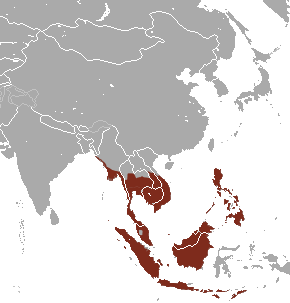
Crab-eating macaques love to live in tropical forests, mangroves, and even near cities! 🌴You can find them in countries like Thailand, Indonesia, Malaysia, the Philippines, and some parts of Vietnam. These monkeys are also very adaptable; they can thrive in both rural areas and busy places where humans live. They often choose habitats that are near rivers or coastal areas because they love to explore and find food near the water. This way, they can swim and forage for crabs, snails, and other tasty treats! 🦀
Interactions With Humans
Crab-eating macaques are known to adapt to human environments very well! 🏙️ In some areas, they are considered pests because they often steal food from people. This may happen in tourist spots or near markets. However, they also help scientists study primate behavior and evolution! Many researchers study these monkeys to learn more about social structures, communication, and how they adapt to changing environments. 🧑🔬 While they can be fun to watch, it’s essential to respect their space and remember they are wild animals that belong in their natural habitats. 🤝
Physical Characteristics
Crab-eating macaques have thick, brown-gray fur that keeps them warm in their tropical habitats. 🌞They have bright, expressive eyes and long tails that can measure up to 25 inches (65 cm) long! Their bodies are medium-sized, weighing around 15-20 pounds (7-9 kg). Their hands and feet are strong, making climbing trees and foraging for food easy. Young macaques are born with pink skin and grey fur, which darkens as they grow. They also have long, powerful limbs to help them jump around and play with their friends in the trees! 🌳
Diet And Feeding Behavior
Crab-eating macaques are omnivorous, meaning they eat both plants and animals! 🌿🐛 Their favorite food includes crabs, fruits like mangos and bananas, seeds, and even small insects. When looking for food, they often work together, and some may distract predators while others dive into the water to catch crabs. These smart monkeys even use tools, like using stones to crack open shells! They are very clever and quick learners when it comes to finding the best snacks. Crab-eating macaques also love to groom one another, which helps them bond while searching for parasites! 🦗
Taxonomy And Classification
The crab-eating macaque belongs to the family Cercopithecidae, which means they are part of the Old World monkeys! 🌳Its scientific name is Macaca fascicularis. There are different types of macaques, but the crab-eating macaques are special because they have long tails that help them balance in trees. They are related to other macaque species like the Japanese macaque and the rhesus macaque. Macaques are also part of a larger group called primates, which includes humans, apes, and lemurs. So, you and the crab-eating macaque are distant relatives! 🌍
Reproduction And Development
These macaques typically mate year-round, and females usually give birth to one baby at a time after a pregnancy that lasts about 5 or 6 months. 🎈Babies are born with cute pink faces and fuzzy fur, and they cling to their mothers for protection and nourishment. As they grow, they start to explore and play with other young macaques in the troop! By around 6 months old, they can start eating solid food alongside their mother's milk. Young macaques stay with their mothers for about 1-2 years before becoming independent and joining the larger troop or finding their new groups! 🍼
Social Structure And Behavior
Crab-eating macaques are very social creatures! 🐒They live in groups called troops that can have anywhere from 10 to 100 members. These troops are usually made up of females and their babies, while males often join when they reach adulthood. They communicate using various sounds, gestures, and body language. Grooming each other is important for forming strong friendships and keeping clean! Sometimes groups will split up to search for food but always come back together later to share their finds. The monkeys play together, chase one another, and even use their tails to show how they are feeling! 🎉
Crab-eating Macaque Quiz
Learn more about Crab-eating Macaque
