Colossal Heads Facts For Kids
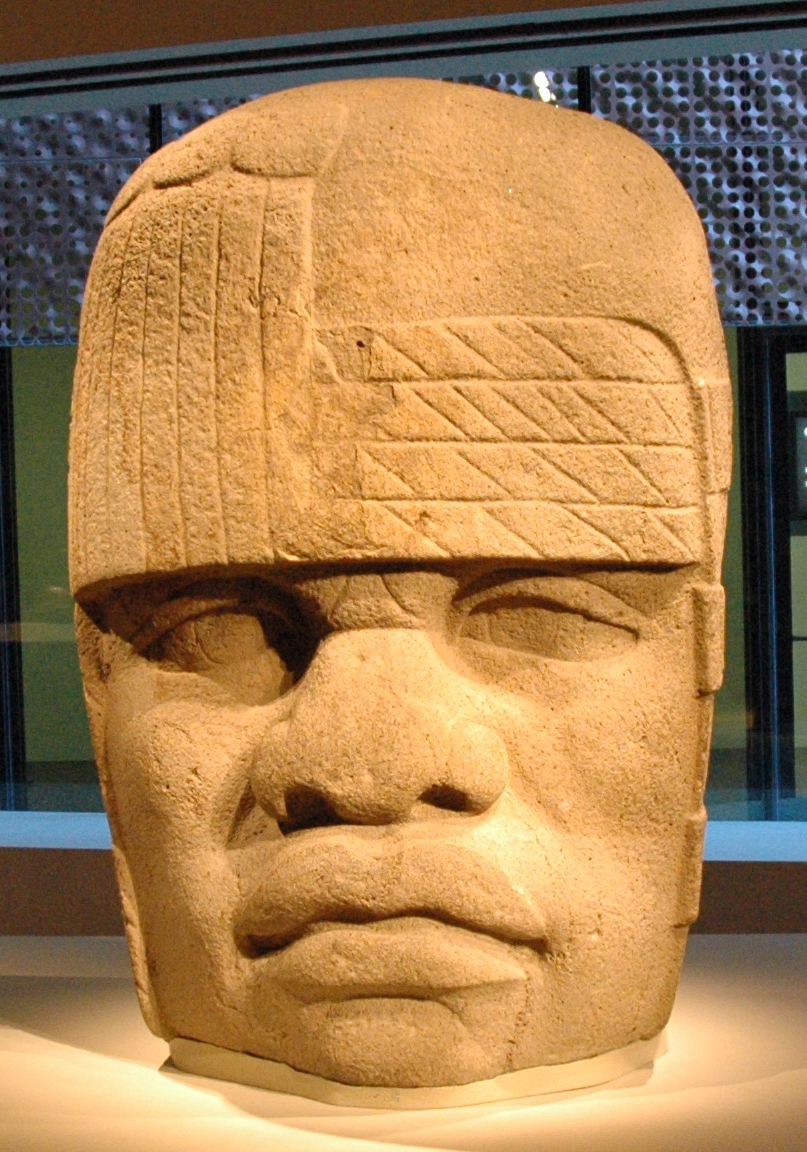
Colossal heads are massive stone sculptures from the Olmec civilization, believed to represent powerful rulers and highlighting the complex cultural and artistic values of ancient Mesoamerica.

Do more with AI
Introduction
Colossal heads are massive sculptures made by the Olmec civilization, who lived in Mexico over 3,000 years ago! 🏛️ These heads represent important leaders or gods and are carved from stone. They can be as tall as 11 feet and weigh several tons! The largest ones were found in the Olmec heartland, in a region called La Venta. These giant heads show the skill of ancient artists but also tell us stories about the Olmec people and their society. 🌍They give us clues about their culture, beliefs, and how they viewed their rulers.
Images of Colossal Heads

La Venta Monument 1, c. 1960

"Olmec-style" face mask in jade

Pottery Olmec figurine of an "infantile figure", a common and distinct Olmec type

San Lorenzo Colossal Head 1, now at the Xalapa Museum of Anthropology in Veracruz

The unfinished La Venta Colossal Head 3

Map of the Olmec heartland. The Sierra de los Tuxtlas is marked as the Tuxtla Mountains.

San Lorenzo Colossal Head 2 in the Museo Nacional de Antropología in Mexico City

San Lorenzo Colossal Head 3, now at the Xalapa Museum of Anthropology

San Lorenzo Monumental Head 6. Monumental head from the Olmec civilization exhibited at the Museo Nacinal de Antropología e Historia, Mexico
Materials Used
The Olmecs used volcanic rock, called basalt, to make the colossal heads. ⛰️ This stone is very strong and tough, perfect for creating durable sculptures! The basalt was typically found in regions close to the locations of the giant heads, making it easier for workers to access. The carving process required special tools made from other hard stones to create the detailed features of the faces. ✂️ The finish on the heads is smooth and polished, showing the incredible skill of ancient Olmec artists who worked in stone!
Notable Examples
One of the most famous colossal heads is from San Lorenzo, which is believed to be the first site where these huge sculptures were created. 😲This head is known as "Colossal Head 1," and it measures about 9 feet tall! Another notable example is Colossal Head 5, discovered in La Venta, which stands at around 11 feet high! 🌟Each head has unique features, such as different hairstyles, hats, or expressions. These differences are clues for archaeologists to learn more about the diverse rulers in Olmec society!
Preservation Efforts
Preserving colossal heads is crucial for understanding history! 🏛️ Many of these sculptures are threatened by weathering, pollution, and human activity. Organizations like the Instituto Nacional de Antropología e Historia (INAH) in Mexico work hard to protect these incredible artifacts. They monitor the sites, conduct regular maintenance, and even use special coatings to shield the sculptures from the elements. 🛡️ By preserving these colossal heads, we can continue to learn about the Olmec civilization and share their story with future generations!
Cultural Significance
Colossal heads are super important in understanding the Olmec culture! 🎭They were not just decorations; they were symbols of power and authority. The Olmecs believed their rulers had special connections to the gods, and the heads often represented these leaders in a way that showed strength and wisdom. 🌟These sculptures helped unite the community, as people would gather around them to celebrate important events. They also show us how art can communicate ideas and values in a civilization, reminding us of the importance of leaders and deities.
Construction Techniques
Creating colossal heads was a huge challenge for the Olmecs! 🛠️ They started with large boulders, often weighing up to 40 tons, and used tools made from harder stones to carve them. Carving these faces took many skilled workers who worked together for many months! 🔨They likely used methods like wedging to chip away stone and start shaping the heads. The heads were then transported from quarries to their locations, possibly using logs as rollers! 🌲This incredible teamwork shows how much they valued their culture and leaders in their art.
History Of Colossal Heads
The Olmecs were one of the first major civilizations in Mexico, flourishing around 1200 BCE. 🌅The first colossal heads were discovered in the early 1900s, when archaeologists like José Melgar y Serrano explored La Venta and San Lorenzo. Excitingly, there are 17 known heads today! Each one is unique, with distinct facial features and characteristics. Some are thought to represent specific kings or leaders, while others might symbolize gods. 🎉The colossal heads tell us about Olmec society, showing how they respected their rulers and their art.
Archaeological Discoveries
Many archaeologists have studied colossal heads in Mexico, uncovering exciting secrets about the Olmec civilization! 📜Discoveries began in the 1860s when explorers first documented the sculptures. In the 1940s, American archaeologist Matthew Stirling found several colossal heads in La Venta. His work helped reveal their significance and connection to Olmec culture! Many heads are still being studied today, as scientists try to understand their history and symbolism. 🧑🔬 These discoveries remind us how much we can learn from ancient civilizations through careful research!
Colossal Heads In Popular Culture
Colossal heads have inspired many artists, movies, and books! 🎬In the animated movie "The Book of Life," a vibrant representation of Mexican culture includes scenes that nod to the Olmec civilization's art. Other films and TV shows often feature giant heads as symbols of mystery and history. 🗿In video games, players explore ancient ruins containing colossal heads, sparking curiosity about these incredible artifacts! These cultural references show how influential the Olmec civilization remains today. By learning about these colossal heads, we keep their fascinating stories alive! 🌟
Colossal Heads Quiz
Learn more about Colossal Heads
