The Chernobyl disaster was a catastrophic nuclear accident in 1986 that released significant radioactive materials into the environment, affecting health and safety worldwide.
Set reading age
View for Kids
Easy to read and understand
View for Students
Clear, detailed explanations
View for Scholars
Deep dives and big ideas
The Chernobyl disaster was a huge accident that happened on April 26, 1986, in Chernobyl, Ukraine. 🌍It was a nuclear power plant, which means it used a special process to create electricity. During a test, one of the reactors exploded, releasing a lot of dangerous radioactive materials into the air. This accident is considered one of the worst nuclear disasters in history! Many people had to leave their homes because it wasn't safe anymore. 🏠Chernobyl reminds us of the importance of safety when using powerful technology.
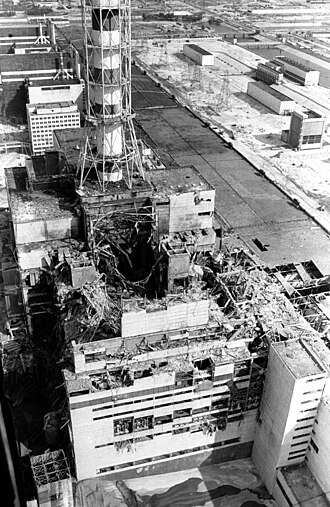
On the night of April 26, 1986, workers at the Chernobyl plant were running a safety test. 🔬Suddenly, things went wrong! An explosion happened in Reactor No. 4, sending huge amounts of radioactive materials into the atmosphere. 🌌Fires broke out and smoke spread far away. The explosion was so powerful that it blew off the roof of the reactor building! People living nearby even heard the blast and saw the bright light in the sky. All the plant workers and firefighters rushed in to help without knowing how serious it was. ⚠️
Unfortunately, many people suffered from health problems after the disaster. 🎗️ Those who worked at the power plant and the firefighters had the most severe issues because they were exposed to high radiation. Some developed cancer, especially thyroid cancer, which affects the neck and throat. Children were especially at risk. About 6,000 cases of this type of cancer were reported later. The health effects are still felt today, and people continue to study how Chernobyl has impacted health for decades. It teaches us the importance of being safe with powerful technology! 💔
The Chernobyl disaster taught the world many important lessons. ⚡We learned that safety must always come first when dealing with powerful technology, like nuclear energy. It’s important to follow rules and procedures carefully. The disaster showed us how harmful radiation can be, and now many safety measures are in place at nuclear plants across the world. 🌏People now understand the importance of communication, cooperation, and planning for emergencies. Chernobyl reminds us to balance energy needs with protecting our planet and each other! 🕊️
In the 1980s, the Soviet Union, a large country that included Ukraine, built many nuclear power plants to provide electricity. ⚡Chernobyl Nuclear Power Plant was one of them, built in the 1970s. People believed nuclear energy was the future, but they sometimes forgot about safety measures. The plant used special machinery and was controlled by human workers. However, there were many rules that were not followed. This led to a very dangerous situation on that fateful day in April 1986. 🙈It changed how the world viewed nuclear energy forever.
The Chernobyl disaster has appeared in movies, books, and even video games! 📺One famous TV show called "Chernobyl" was released in 2019 and showed what happened during the disaster. People were fascinated to learn more about this tragic event. 🎮There are also books for kids that explain the Chernobyl story in a friendly way. Many art projects and songs mention Chernobyl and remind us to learn from the past. It has become a symbol of the need for safety in handling nuclear power and respecting our environment! 🖌️
The Chernobyl disaster had a huge impact on the environment. 🌿Radioactive materials spread far and wide, contaminating the land, water, and air. A large area became a ghost town, with plants and animals disappearing because of the radiation. 🦌However, some animals began to adapt, and surprisingly, they returned to the area years later! Scientists believe that a “Chernobyl Exclusion Zone” will be wild and untouched for many years, showing nature’s ability to heal. Even though it’s a dangerous place, plants and wildlife have become more common where there used to be people! 🐻
Many first responders, including firefighters, rushed to the scene to put out the fires. 🔥However, they didn’t know they were being exposed to dangerous radiation. Within days, some of them got very sick. The Ukrainian government had to evacuate people living in nearby towns, like Pripyat, which was home to around 49,000 people! 🚶♂️🚶♀️ The town was emptied, and the people had to leave their homes and belongings behind. It was a very sad time for everyone involved. Moving away was a tough decision, but it was necessary for safety and health.
After the disaster, a massive cleanup effort began. 👷♂️💼 Special teams came in to contain the radiation spread. They built a large concrete sarcophagus to cover the damaged reactor. This helped to prevent more radiation from escaping into the environment. 🏗️ It was later replaced with a new steel structure to ensure safety. The cleanup efforts took many years and were very challenging. Scientists and workers still monitor the area to ensure it remains secure. Chernobyl taught us how crucial it is to protect the planet from harmful effects of technology. 🌎
After the disaster, the area around Chernobyl became extremely dangerous. 🚷The government quickly evacuated not only Pripyat but also other towns in a 30-kilometer zone called the “Chernobyl Exclusion Zone.” 🚫 Many families had to leave everything behind and move to new places. Children lost their schools, and parents lost their jobs. The evacuation started on April 27, just a day after the explosion. People were worried and confused. They thought they would return soon, but many never went back. This made many people sad and left a mark on their lives.


DIY is a creative community where kids draw, build, explore ideas, and share.
No credit card required