Calcite Facts For Kids
Calcite is a versatile carbonate mineral composed primarily of calcium carbonate, known for its wide range of crystal forms and significant geological importance.
Select reading age

Calcite Facts For Kids
Videos & Quizzesincluded
About this topic
Calcite is a super cool mineral made of calcium carbonate! 🪨It’s usually found in limestone and marble. Calcite can be clear or come in lots of colors, like white, yellow, and even pink! It's one of the most common minerals on Earth. You can find it in places like the Great Smoky Mountains in the USA and the Alps in Europe. Did you know that calcite can be found in seashells, too? 🐚This mineral is super important for rocks, caves, and even our planet's history!
Explore with ChatDinoKey Points
Calcite has many uses!
Calcite is known for its special features!
Calcite is made of three elements: calcium (Ca), carbon (C), and oxygen (O).
Mining and using calcite can affect our planet.
Calcite plays a big role in ecosystems!
People have been using calcite for thousands of years!
Mining calcite is important to get it for use!
Calcite forms in many ways!
Photos of Calcite

Crystal structure of calcite


Calcite — photo 3
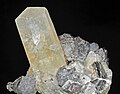


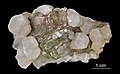

Calcite Locality: Berry Materials Corp. Quarry (North Vernon Plant), North Vernon, Jennings County, Indiana, USA Original description: Floater group of brown translucent to transparent calcite crystals with some breccia matrix attached. A classic of this Indiana locality. Note the uncommon rhombododecahedral habit, I believe {110} faces. It seems a garnet but I can swear it is not. Overall size: 70 mm x 40 mm x 35 mm. Major crystal size: 35 mm across. Ex Rick Russell collection.

🏗️ Uses Of Calcite
Calcite has many uses! 🏗️ It is used in building materials like cement and concrete, which help make our houses and roads! People also use calcite to make glass, paper, and even toothpaste! 🦷That's right! The tiny calcium in paste can help make our teeth strong. Moreover, calcite is used in agriculture to help soil grow better, so our plants can be healthy and beautiful! 🌱
Go deeper🌈 Physical Properties
Calcite is known for its special features! 🌈It has an amazing hardness of 3 on the Mohs scale, which means it can scratch glass but is softer than quartz. Calcite can be clear, white, blue, or even orange! It can be shiny (like a diamond) or dull (like wood). One cool trait of calcite is that it can bend light, making images look funny when you look through it! 🔍This property is called "double refraction." Isn’t that neat?
Go deeper🌍 Chemical Composition
Calcite is made of three elements: calcium (Ca), carbon (C), and oxygen (O). Its chemical formula is CaCO₃. This means that for every calcium atom, there is one carbon atom, and three oxygen atoms! 🌍When calcite is heated, it can change into a gas called carbon dioxide (CO₂). Interestingly, it also fizzes when you pour vinegar on it! 🥳This reaction happens because the acid breaks it down, creating bubbles of carbon dioxide.
Go deeper🌍 Environmental Impact
Mining and using calcite can affect our planet. 🌍When we dig it up, it can change landscapes and habitats of animals and plants! It’s important that mining companies work hard to protect nature. Also, if we use too much calcite, there can be pollution from factories that could harm air and water. 💧That’s why it's essential to be responsible and find a balance—using calcite wisely helps our Earth stay healthy! 🌱
Go deeper🌎 Calcite In Ecosystems
Calcite plays a big role in ecosystems! 🌎It helps make up the shells of sea creatures like clams and snails! When these animals die, their shells create limestone rock, which houses many little animals and plants. In oceans, calcite helps balance the pH level, keeping waters friendly for fish and other organisms. 🐠Even in soil, calcite provides essential nutrients for plants. Without calcite, many ecosystems would be very different!
Go deeper🏛️ Cultural Significance
People have been using calcite for thousands of years! 🏛️ Ancient Egyptians used it to build the pyramids! They found ways to shape and polish it. There are beautiful calcite monuments in famous places like Egypt and Peru. In art, artists love to carve calcite into unique sculptures! 🎨It's also believed to have special powers in some cultures, like bringing good luck. Calcite is not just a rock; it's a piece of history and creativity!
Go deeper⛏️ Mining And Processing
Mining calcite is important to get it for use! ⛏️ Workers dig it out of the ground or mountains. One famous place to find calcite is the limestone quarries of Canada. After mining, calcite is crushed into small pieces and sometimes heated to change it into lime. This lime is used in construction and industry. The mining process has to be done carefully to protect our environment!
Go deeper🌊 Formation And Occurrence
Calcite forms in many ways! 🌊One way is from living organisms, like when tiny sea creatures make shells. When they die, their shells can become limestone! Another way calcite forms is through water evaporating, leaving behind minerals. You can find calcite in caves, too, where it turns into beautiful formations called stalactites and stalagmites. They take thousands of years to form! 🕰️ Calcite is found worldwide—from the USA, Italy, and Mexico to even the Moon!
Go deeper