Betula Pendula Facts For Kids
Betula pendula, commonly known as silver birch, is a beautiful tree with white bark, native to Europe and parts of Asia, known for its striking appearance and ecological importance.
Select reading age

Betula Pendula Facts For Kids
Videos & Quizzesincluded
About this topic
Betula pendula, better known as the silver birch 🌳, is a beautiful tree found in Europe and parts of Asia! 🌍It's easy to recognize with its white bark and delicate leaves. These trees can grow up to 30 meters tall! 🎉Silver birches love the sun and can often be spotted in parks and forests. They have a charming, warty texture on their bark, which is why some people call them warty birches! This wonderful tree also supports various wildlife. Isn't it cool that a single type of tree can be named so many different things? 🌟
Explore with ChatDinoKey Points
Just like people, silver birches can get sick or attacked by pests!
Good news!
Silver birches are popular in landscaping because they look beautiful!
Silver birches have a special place in many cultures!
Silver birches play a big role in their ecosystem!
Silver birch trees are found mainly in Europe, specifically in countries like the UK, Germany, and Scandinavia.
The silver birch is quite striking!
If you want to grow your very own silver birch 🌳, it’s a fun project!
Silver birch belongs to the Betulaceae family, which includes other trees like alders and hornbeams.
Photos of Betula Pendula

Silver birch

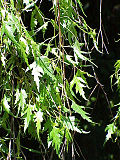
Silver birch has often pendulous twigs, after which the tree has received its scientific name.

Betula pendula silver birch catkins and leaves, Childwall Woods & Fields, Merseyside

Birch sawfly (Craesus septentrionalis) larvae feeding on silver birch, West Wales, July 2014

Betula Pendula — photo 5
Betula Pendula — photo 6

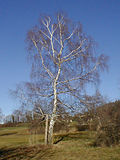
Mature birch (Betula pendula) in Tromsø, Norway. At 350 km inside the Arctic Circle, leafs are just starting to appear by late May. 26. May 2010.
Betula Pendula — photo 8

Betula Pendula — photo 9
🦠 Pests And Diseases
Just like people, silver birches can get sick or attacked by pests! 🦠One common pest is the birch leaf miner, which makes leaves look messy and can weaken the tree. Other pests include aphids and bark beetles. 🐜Sometimes, birches can catch diseases like birch canker, which causes the bark to rot. 🦠It's important for forest rangers and gardeners to check on silver birches regularly! If they see pests, they use special treatments to help keep the trees healthy. 🌳By caring for these trees, we help them stay strong and beautiful! 💪
Go deeper🌳 Conservation Status
Good news! Silver birch trees are not endangered. 🌳The International Union for Conservation of Nature (IUCN) considers them to have a stable population. However, they still face challenges like habitat loss and climate change. 🏞️ It’s essential to protect their habitats so they can continue to thrive. People can help by planting silver birches in gardens or parks! 🌼Many conservation groups work to preserve forests where these beautiful trees grow. By caring for our environment, we can make sure future generations enjoy silver birches too! 🌱
Go deeper🌼 Uses In Landscaping
Silver birches are popular in landscaping because they look beautiful! 🌼Their tall, graceful form and white bark make them great for gardens and parks. 🌳People often plant them to create lovely shade or add a touch of elegance. The delicate leaves rustle in the wind, creating a soothing sound. 🌬️ Homeowners like to group them for a striking look or plant them along paths for a magical vibe. 🏡Silver birches also help prevent soil erosion, making them a practical choice for landscaping. They really brighten up the environment! 🎉
Go deeper🌍 Cultural Significance
Silver birches have a special place in many cultures! 🌍In ancient times, people believed that birch trees brought good luck and happiness. 🌟In some countries, they were used to decorate homes for festivals. The beautiful white bark was also used to make containers and supplies. 🎊In art and folklore, silver birches often symbolize renewal and new beginnings. In many places, they are a beloved sight in nature, inspiring poets and painters alike! 🎨Can you imagine how many stories these trees have seen over time?
Go deeper🌳 Ecological Importance
Silver birches play a big role in their ecosystem! 🌳They provide food and shelter for many animals, such as birds, insects, and small mammals. 🐿️ The tree’s flowers produce seeds that birds love to eat, while its leaves provide a tasty snack for caterpillars! Butterflies and bees also adore silver birches for their nectar. 🦋🍯 By creating shade and covering the ground, these trees help maintain a healthy habitat for lots of small creatures. Additionally, they absorb carbon dioxide, helping to clean our air! 🌬️ Isn’t nature amazing?
Go deeper🌍 Habitat And Distribution
Silver birch trees are found mainly in Europe, specifically in countries like the UK, Germany, and Scandinavia. 🇬🇧🇩🇪🌍 They like to grow in places with good sunlight and well-drained soil, often in forests or alongside roads. You can also find them growing in areas called "uplands" or higher altitudes, especially in southern Europe. ⛰️ Silver birches thrive in places where there are changes in seasons, such as cool winters and warm summers. They provide shelter for birds and insects, making them important for the environment! 🐦🍃
Go deeper✨ Physical Characteristics
The silver birch is quite striking! ✨Its bark is smooth and white with dark horizontal scars. The leaves are triangular and around 3-6 cm long, turning yellow in the fall. 🍂The tree can grow large, reaching heights of 15 to 30 meters and living up to 100 years! 🌟One special feature is its dangling catkins, which bloom in spring. These flowers turn into tiny seeds that can be carried by the wind! 🌬️ The silver birch has lovely features that help it stand out among trees and provide a perfect home for many creatures.
Go deeper🌳 Propagating Betula Pendula
If you want to grow your very own silver birch 🌳, it’s a fun project! You can start by collecting seeds in autumn; they are tiny and light! 🌬️ Then, plant the seeds in a seed tray with some soil, keeping it moist but not too soggy. 🌱Place the tray in a sunny spot and wait for seedlings to pop up! You can also grow them from cuttings, where you take a small branch and plant it in the ground. 📏Once the seedlings are strong enough, you can move them to your yard or garden. Enjoy watching them grow! 🍃
Go deeper🌳 Taxonomy And Classification
Silver birch belongs to the Betulaceae family, which includes other trees like alders and hornbeams. 🌳🌳 It’s classified as Betula pendula. The name “Betula” comes from the Latin word for birch, and “pendula” means "weeping" because of how the branches droop down. 🌦️ This tree is part of a larger group known as angiosperms, which means it produces flowers and seeds. Silver birch is also a deciduous tree, meaning it sheds its leaves in autumn. 🍂Isn’t it fascinating how scientists classify plants based on their characteristics?
Go deeper