Apteryx Facts For Kids
Kiwis are small, flightless birds native to New Zealand, known for their unique appearance and nocturnal habits.
Select reading age
Apteryx Facts For Kids
Videos & Quizzesincluded
About this topic
The Kiwi 🥝 is a unique, flightless bird native to New Zealand. These small, nocturnal birds are known for their long beaks and small, round bodies. Kiwis are about the size of a chicken and weigh between 1 to 4 kilograms (2 to 9 pounds). They cannot fly because they have tiny wings and heavy bodies. Kiwis are a national symbol of New Zealand, and locals even call themselves "Kiwis"! 🥝Kiwis are fascinating creatures that play an important role in their ecosystem.
Explore with ChatDinoQuick Facts
Key Points
Kiwis are solitary animals, meaning they usually prefer to be alone instead of living in groups.
Kiwis are unique, but some birds share similar characteristics!
Did you know Kiwis have the largest eggs in relation to their body size of any bird?
Kiwis are classified as endangered due to habitat loss and predator threats, like rats and stoats.
The Kiwi bird holds a special place in New Zealand's culture.
Kiwis are omnivores, which means they eat both plants and animals!
Kiwis are found only in New Zealand 🇳🇿.
Kiwis have a distinctive appearance!
Kiwis have a fascinating reproduction process.
Kiwis belong to the order Apterygiformes and are classified into five species: the North Island Kiwi, South Island Kiwi, Little Spotted Kiwi, Great Spotted Kiwi, and the Tokoekoe.
Photos of Apteryx

Apteryx — photo 1

Apteryx — photo 2

Apteryx — photo 3

Apteryx — photo 4

Tokoeka, Apteryx australis ; wild bird. Stewart Island , New Zealand

Apteryx — photo 6

Clockwise from left: brown kiwi (Apteryx australis), little spotted kiwi (Apteryx owenii) and great spotted kiwi (Apteryx haastii) at Auckland War Memorial Museum

1860s drawing of Apteryx, illustrating its distinctive features, including long beak, short legs and claws, and dark hair-like feathers.

Relative size of the egg
🐦 Behavior
Kiwis are solitary animals, meaning they usually prefer to be alone instead of living in groups. 🐦They are territorial and mark their area with scent. Kiwis are nocturnal, so they venture out to search for food at night. Their behavior is unique; they are known to be curious but cautious. If they sense danger, they will either freeze or run away quickly! Kiwis also have strong vocalizations, often making unique sounds like "ki-ki" or "kree".
Go deeper🐦 Similar Species
Kiwis are unique, but some birds share similar characteristics! 🐦These include other flightless birds like ostriches, emus, and cassowaries. Like Kiwis, these birds are part of the ratite group, which means they all have tiny wings and heavy bodies. Each of these birds lives in different parts of the world, such as Africa (ostrich), Australia (emu), and New Guinea (cassowary). While Kiwis are only found in New Zealand, they share a fun connection to other unique birds!
Go deeper🥚 Interesting Facts
Did you know Kiwis have the largest eggs in relation to their body size of any bird? 🥚A Kiwi's egg can weigh up to 20% of the mother's weight! Kiwis are also unique because they have nostrils at the end of their long beaks. They can run up to 5 kilometers per hour (3 mph) when startled! Additionally, Kiwis have very strong legs that help them dig in the ground for food. These quirky birds are not just cute; they're important for ecosystems and symbolize New Zealand! 🌎
Go deeper🌳 Conservation Status
Kiwis are classified as endangered due to habitat loss and predator threats, like rats and stoats. 🌳Organizations in New Zealand are working hard to protect Kiwis and their homes. People help by creating safe areas and breeding programs to increase their numbers. Thanks to these efforts, some species are slowly recovering! It’s essential to protect this unique bird and educate everyone about their importance in New Zealand’s ecosystem.
Go deeper🥝 Cultural Significance
The Kiwi bird holds a special place in New Zealand's culture. 🥝It symbolizes strength, independence, and national pride for the people of New Zealand. The Kiwi is featured in many artworks and stories, and various sports teams are named after it. Kiwiana is a term used to describe unique New Zealand culture, and Kiwis are often a central theme. This makes it an important figure in the hearts and minds of Kiwis everywhere!
Go deeper🥦 Diet And Feeding Habits
Kiwis are omnivores, which means they eat both plants and animals! 🥦They primarily hunt for insects, earthworms, and small invertebrates using their long beaks to dig into the soil. They have an excellent sense of smell to help sniff out their food, which makes them unique among birds. Kiwis do not use their eyesight much while hunting, relying instead on their hearing and smell. 🥝This diet plays an essential role in keeping the soil healthy through their foraging habits.
Go deeper🗺️ Habitat And Distribution
Kiwis are found only in New Zealand 🇳🇿. They live in forests, scrublands, and grasslands. Each species prefers different environments; for example, the North Island Kiwi loves forests, while the Little Spotted Kiwi is happier in grasslands. They are nocturnal, which means they are active at night and sleep during the day. Kiwis build their nests in burrows or under bushes, providing shelter for their eggs and baby chicks.
Go deeper🥝 Physical Characteristics
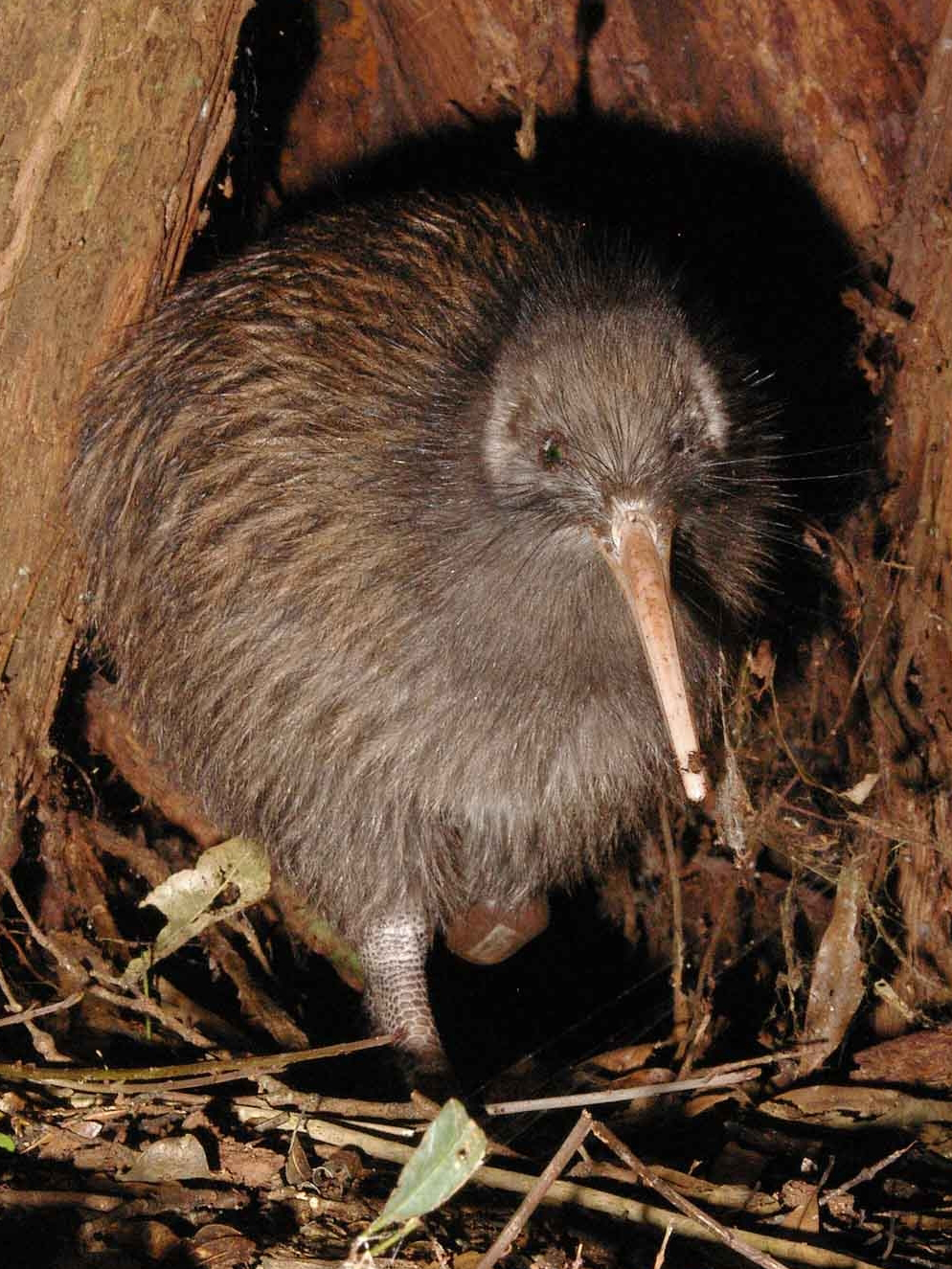
Kiwis have a distinctive appearance! They have brown, shaggy feathers that look like hair, helping them blend into the forest floor. 🥝Their long, slender beaks are perfect for finding insects and worms in the ground. Kiwis have strong legs, which help them run quickly if needed! Unlike most birds, Kiwis have no tails. They also have very small wings, making it impossible for them to fly. Their sensitive nostrils are located at the end of their beaks, allowing them to smell food easily.
Go deeper🥚 Reproduction And Life Cycle
Kiwis have a fascinating reproduction process. 🥚The female lays one large egg, which is about the size of a chicken egg. The male will then take care of the egg, keeping it warm for around 70 to 80 days until it hatches! Once the chick breaks free from the egg, it is already covered in feathers and can walk. Kiwis grow quickly and become independent within a few months, but they may stay close to their parents for protection until they are fully grown.
Go deeper🥝 Taxonomy And Classification
Kiwis belong to the order Apterygiformes and are classified into five species: the North Island Kiwi, South Island Kiwi, Little Spotted Kiwi, Great Spotted Kiwi, and the Tokoekoe. 🥝Each species has unique characteristics, but they all share common traits like their long beaks. Kiwis are the only living members of the family Apterygiidae. They are closely related to the extinct Moa, a giant bird that once roamed New Zealand. Kiwis are also part of a larger group called ratites, which includes ostriches and emus!
Go deeper