All Articles

Apatosaurus

Apatosaurus Facts For Kids

Apatosaurus was a massive herbivorous dinosaur known for its long neck and tail, living during the Late Jurassic period.
🎨 Reading age for 6-8
Background blob
Apatosaurus
Apatosaurus
Facts for Kids!
Image by Tadek Kurpaski from London, Poland, licensed under Creative Commons Attribution 2.0

Do more with AI

Introduction

Apatosaurus was a large dinosaur that lived during the Late Jurassic period, around 154 million years ago! 🦕This gentle giant roamed what is now North America, mainly in areas that are now part of Colorado and Utah. Apatosaurus was a sauropod, which means it belonged to the long-necked dinosaur family. It could grow up to 75 feet long and weigh as much as 30 tons! That’s about the same as 7 elephants! 🌍This dinosaur is often mistakenly called "Brontosaurus," but scientists now know they are different.

Images of Apatosaurus

Comparison of A. ajax (orange) and A. louisae (red) with a human (blue) and Brontosaurus parvus (green)Image by Matt Martyniuk, licensed under Creative Commons Attribution-Share Alike 4.0

Comparison of A. ajax (orange) and A. louisae (red) with a human (blue) and Brontosaurus parvus (green)

A. ajax skull, specimen CMC VP 7180Image by James St. John, licensed under Creative Commons Attribution 2.0

A. ajax skull, specimen CMC VP 7180

Cervical vertebra of A. ajax (holotype, YPM 1860) in side and anterior viewImage by Mike Taylor, modifications by I. Reid., licensed under Creative Commons Attribution 3.0

Cervical vertebra of A. ajax (holotype, YPM 1860) in side and anterior view

Artistic interpretation of A. louisaeImage by Durbed, licensed under Creative Commons Attribution-Share Alike 3.0

Artistic interpretation of A. louisae

Arthur Lakes' painting of YPM crews excavating fossils of Apatosaurus ajax at Quarry 10 in Morrison.

Arthur Lakes' painting of YPM crews excavating fossils of Apatosaurus ajax at Quarry 10 in Morrison.

A. ajax sacrum, illustrated in 1879

A. ajax sacrum, illustrated in 1879

Obsolete mount of an apatosaurine (possibly Apatosaurus) specimen AMNH 460 with sculpted skull, American Museum of Natural History

Obsolete mount of an apatosaurine (possibly Apatosaurus) specimen AMNH 460 with sculpted skull, American Museum of Natural History

Apatosaurine mount (FMNH P25112) in the Field Museum of Natural History in the 1950s, with its original, inaccurately reconstructed skull

Apatosaurine mount (FMNH P25112) in the Field Museum of Natural History in the 1950s, with its original, inaccurately reconstructed skull

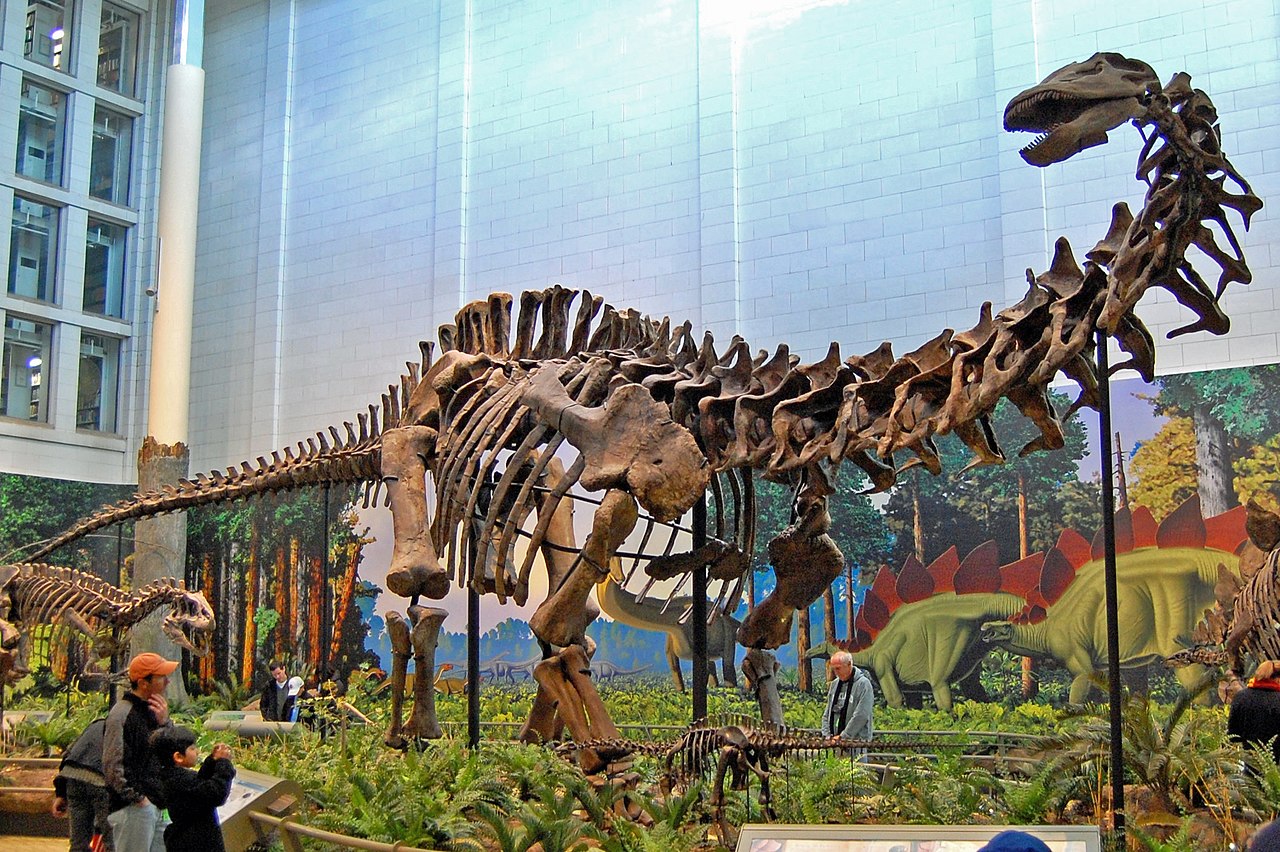
Side view of A. louisae CM 3018 mounted with a cast of skull CM 11162Image by James St. John, licensed under Creative Commons Attribution 2.0

Side view of A. louisae CM 3018 mounted with a cast of skull CM 11162

Comparison of A. ajax (orange) and A. louisae (red) with a human (blue) and Brontosaurus parvus (green)Image by Matt Martyniuk, licensed under Creative Commons Attribution-Share Alike 4.0

Comparison of A. ajax (orange) and A. louisae (red) with a human (blue) and Brontosaurus parvus (green)

A. ajax skull, specimen CMC VP 7180Image by James St. John, licensed under Creative Commons Attribution 2.0

A. ajax skull, specimen CMC VP 7180

Cervical vertebra of A. ajax (holotype, YPM 1860) in side and anterior viewImage by Mike Taylor, modifications by I. Reid., licensed under Creative Commons Attribution 3.0

Cervical vertebra of A. ajax (holotype, YPM 1860) in side and anterior view

Artistic interpretation of A. louisaeImage by Durbed, licensed under Creative Commons Attribution-Share Alike 3.0

Artistic interpretation of A. louisae

Arthur Lakes' painting of YPM crews excavating fossils of Apatosaurus ajax at Quarry 10 in Morrison.

Arthur Lakes' painting of YPM crews excavating fossils of Apatosaurus ajax at Quarry 10 in Morrison.

A. ajax sacrum, illustrated in 1879

A. ajax sacrum, illustrated in 1879

Obsolete mount of an apatosaurine (possibly Apatosaurus) specimen AMNH 460 with sculpted skull, American Museum of Natural History

Obsolete mount of an apatosaurine (possibly Apatosaurus) specimen AMNH 460 with sculpted skull, American Museum of Natural History

Apatosaurine mount (FMNH P25112) in the Field Museum of Natural History in the 1950s, with its original, inaccurately reconstructed skull

Apatosaurine mount (FMNH P25112) in the Field Museum of Natural History in the 1950s, with its original, inaccurately reconstructed skull

Side view of A. louisae CM 3018 mounted with a cast of skull CM 11162Image by James St. John, licensed under Creative Commons Attribution 2.0

Side view of A. louisae CM 3018 mounted with a cast of skull CM 11162

Comparison of A. ajax (orange) and A. louisae (red) with a human (blue) and Brontosaurus parvus (green)Image by Matt Martyniuk, licensed under Creative Commons Attribution-Share Alike 4.0

Comparison of A. ajax (orange) and A. louisae (red) with a human (blue) and Brontosaurus parvus (green)

A. ajax skull, specimen CMC VP 7180Image by James St. John, licensed under Creative Commons Attribution 2.0

A. ajax skull, specimen CMC VP 7180

Cervical vertebra of A. ajax (holotype, YPM 1860) in side and anterior viewImage by Mike Taylor, modifications by I. Reid., licensed under Creative Commons Attribution 3.0

Cervical vertebra of A. ajax (holotype, YPM 1860) in side and anterior view

Artistic interpretation of A. louisaeImage by Durbed, licensed under Creative Commons Attribution-Share Alike 3.0

Artistic interpretation of A. louisae

Arthur Lakes' painting of YPM crews excavating fossils of Apatosaurus ajax at Quarry 10 in Morrison.

Arthur Lakes' painting of YPM crews excavating fossils of Apatosaurus ajax at Quarry 10 in Morrison.

A. ajax sacrum, illustrated in 1879

A. ajax sacrum, illustrated in 1879

Obsolete mount of an apatosaurine (possibly Apatosaurus) specimen AMNH 460 with sculpted skull, American Museum of Natural History

Obsolete mount of an apatosaurine (possibly Apatosaurus) specimen AMNH 460 with sculpted skull, American Museum of Natural History

Apatosaurine mount (FMNH P25112) in the Field Museum of Natural History in the 1950s, with its original, inaccurately reconstructed skull

Apatosaurine mount (FMNH P25112) in the Field Museum of Natural History in the 1950s, with its original, inaccurately reconstructed skull

Side view of A. louisae CM 3018 mounted with a cast of skull CM 11162Image by James St. John, licensed under Creative Commons Attribution 2.0

Side view of A. louisae CM 3018 mounted with a cast of skull CM 11162

Comparison of A. ajax (orange) and A. louisae (red) with a human (blue) and Brontosaurus parvus (green)Image by Matt Martyniuk, licensed under Creative Commons Attribution-Share Alike 4.0

Comparison of A. ajax (orange) and A. louisae (red) with a human (blue) and Brontosaurus parvus (green)

A. ajax skull, specimen CMC VP 7180Image by James St. John, licensed under Creative Commons Attribution 2.0

A. ajax skull, specimen CMC VP 7180

Cervical vertebra of A. ajax (holotype, YPM 1860) in side and anterior viewImage by Mike Taylor, modifications by I. Reid., licensed under Creative Commons Attribution 3.0

Cervical vertebra of A. ajax (holotype, YPM 1860) in side and anterior view

Artistic interpretation of A. louisaeImage by Durbed, licensed under Creative Commons Attribution-Share Alike 3.0

Artistic interpretation of A. louisae

Arthur Lakes' painting of YPM crews excavating fossils of Apatosaurus ajax at Quarry 10 in Morrison.

Arthur Lakes' painting of YPM crews excavating fossils of Apatosaurus ajax at Quarry 10 in Morrison.

A. ajax sacrum, illustrated in 1879

A. ajax sacrum, illustrated in 1879

Obsolete mount of an apatosaurine (possibly Apatosaurus) specimen AMNH 460 with sculpted skull, American Museum of Natural History

Obsolete mount of an apatosaurine (possibly Apatosaurus) specimen AMNH 460 with sculpted skull, American Museum of Natural History

Apatosaurine mount (FMNH P25112) in the Field Museum of Natural History in the 1950s, with its original, inaccurately reconstructed skull

Apatosaurine mount (FMNH P25112) in the Field Museum of Natural History in the 1950s, with its original, inaccurately reconstructed skull

Side view of A. louisae CM 3018 mounted with a cast of skull CM 11162Image by James St. John, licensed under Creative Commons Attribution 2.0

Side view of A. louisae CM 3018 mounted with a cast of skull CM 11162

Habitat And Distribution

Apatosaurus lived in a warm, forested environment filled with conifer trees and ferns! 🌲These lush areas provided plenty of food since Apatosaurus ate lots of plants. They are usually found in the western United States, especially in Montana, Utah, and Colorado. During the Late Jurassic period, dinosaurs lived in places that looked very different from today! 🌎There were rivers and shallow seas, and the climate was much warmer than it is now, perfect for growing lots of plants!

Physical Characteristics

Apatosaurus had a long neck, which helped it reach leaves high up in trees. 🌳Its neck was very strong, helping it support its huge head, which had flat teeth that were perfect for munching on plants. The body was massive and heavy, supported by four sturdy legs. The tail was long, and it could be used like a whip to scare away predators! 🦖Scientists believe that its neck could stretch around 15 feet long. Imagine reaching for the highest cookie on a shelf with a neck that long! 🍪

Diet And Feeding Behavior

Apatosaurus was a herbivore, which means it only ate plants! 🥦With its long neck, it could reach tall trees and eat leaves that many other animals couldn't get to. This dinosaur mainly ate soft plant material like foliage and ferns. Apatosaurus could consume around 1,000 pounds of food each day! 🥬Imagine munching on delicious salads every day; that’s quite a salad bowl! It spent a lot of time eating to keep its enormous body going.

Conservation And Extinction

Apatosaurus, like many dinosaurs, became extinct around 145 million years ago! 😢Scientists believe that massive changes in the environment, like volcanic eruptions and asteroid impacts, led to their extinction. Today, there are no dinosaurs left, which reminds us of the importance of protecting our planet. Conservation of current species is crucial, just like it was necessary to ensure the survival of Apatosaurus's ecosystem millions of years ago! 🌿Let’s learn from the past to protect nature today!

Reproduction And Development

Apatosaurus laid eggs like most dinosaurs! 🥚Scientists think they might have laid many eggs at once, just like some birds today. Baby Apatosaurus, called hatchlings, were very small compared to their parents. They had to grow quickly to escape predators! 🦖After hatching from their eggs, baby Apatosaurus might have stayed in herds with their mothers for protection. They would eat plants and grow until they were big and strong enough to take care of themselves!

Comparisons With Other Dinosaurs

Apatosaurus is often compared to other long-necked dinosaurs, like Brachiosaurus and Diplodocus. 🤔While they all had long necks, Apatosaurus had a shorter neck than Brachiosaurus and a different body shape. Brachiosaurus had longer front legs, making its body taller. 🌆Diplodocus had an even longer tail and neck! All these dinosaurs were herbivores, but they had unique features that helped them adapt to their surroundings.

Cultural Impact And Representation

Apatosaurus has appeared in many movies, books, and toys! 🎥In films like "The Good Dinosaur," you can see dinosaurs that look like Apatosaurus. They are also popular at museums, where their fossils are displayed for people to see! 🏛️ Because of their size and unique look, many kids love them. Apatosaurus reminds us of the amazing dinosaurs that once roamed the Earth and inspires curiosity about prehistoric life! 📚

Fossil Discoveries And Significance

Fossils of Apatosaurus have been found in the United States, especially in Colorado and Utah. 🦴In 1877, the first fossils were discovered, and they were some of the first sauropod dinosaur fossils ever found! Paleontologists study these fossils to learn more about how they lived and evolved over millions of years. They are significant because they help scientists understand how dinosaurs interacted with their environment and how many different types existed during the Jurassic period! 🔍

Did you know?

🦕 Apatosaurus was one of the largest dinosaurs, reaching lengths of up to 75 feet.

🌍 This herbivorous dinosaur roamed North America during the Late Jurassic period.

💚 Apatosaurus had a long neck that helped it reach high vegetation.

🦴 Its name means 'deceptively fast lizard,' though it may not have been particularly fast.

🦷 Apatosaurus had peg-like teeth, ideal for stripping leaves off trees.

💨 It is believed that Apatosaurus could weigh over 30 tons!

🥇 Apatosaurus is often confused with Brontosaurus, but they are distinct genera.

🐾 Their massive tails may have been used for communication or defense.

👶 Juvenile Apatosaurus likely grew rapidly, reaching adult size in just a few years.

🎨 Apatosaurus is a popular figure in movies and literature due to its iconic appearance.

Apatosaurus Quiz

Q1
Question 1 of 10

Learn more about Apatosaurus

Ready to create?

Make

To create a safe space for kid creators worldwide!

Create

Vibe Coding

Kids GPT

All Tools

Kibu

Resources

Worksheets

SafeTube

Blog

FAQ

Account

Pricing

Log-in

Sign-up

Data Deletion

Company

About

Community Guidelines

Privacy Policy

Terms of Service

2025, URSOR LIMITED. All rights reserved. DIY is in no way affiliated with Minecraft™, Mojang, Microsoft, Roblox™ or YouTube. LEGO® is a trademark of the LEGO® Group which does not sponsor, endorse or authorize this website or event. Made with love in San Francisco.