Antelope Facts For Kids
Antelopes are diverse, herbivorous mammals known for their graceful build, strong legs, and social behavior, primarily found in Africa and parts of Asia.
Select reading age
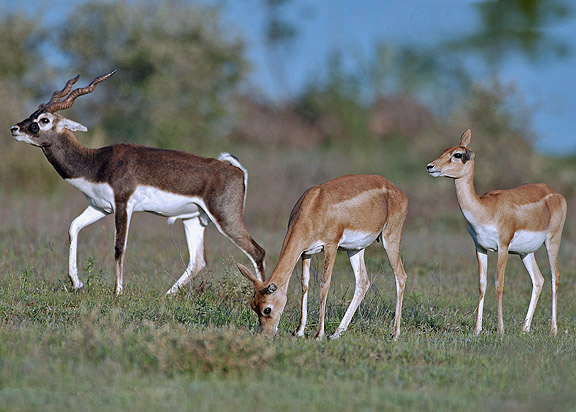
Antelope Facts For Kids
Videos & Quizzesincluded
About this topic
Antelopes are fascinating mammals found mainly in Africa and parts of Asia! 🌍They belong to the Bovidae family, which also includes cows and sheep. There are more than 90 species of antelopes, ranging from the tiny dik-dik to the large eland! 🌟Antelopes are known for their incredible speed and agility, which helps them escape from predators like lions and cheetahs. They are also herbivores, meaning they eat plants, grass, and leaves. Antelopes have been around for millions of years, and they play a crucial role in their ecosystems by helping to shape the environment!
Explore with ChatDinoKey Points
There are many different species of antelopes!
Many antelope species are at risk due to habitat loss, poaching, and hunting.
Antelopes hold great significance for many cultures!
Antelopes are herbivores, which means they love to munch on plants, leaves, and grass!
Antelopes live in different habitats across Africa and parts of Asia!
Antelopes come in various shapes and sizes!
Antelopes usually reach adulthood in one to two years, depending on the species!
Antelopes are social animals and often live in herds!
Photos of Antelope

A bull sable antelope among the trees in the African savanna

Illustration from The History of Four-footed Beasts (1607)

Blue duiker (Philantomba monticola) skeleton on display at the Museum of Osteology

Gerenuks can stand erect on their hind legs to browse on high foliage

Antelope horns

Forest-dwelling bushbuck

Fast-running gazelles prefer open grassland habitat


Arms of the Duke of Abercorn in Scotland, featuring two silver antelope
🦌 Species Diversity
There are many different species of antelopes! 🦌Some of the most well-known include the springbok, which is famous for jumping high when scared, and the sable antelope, known for its curved horns. The gazelle is another species that is famous for its speed, with some being able to run up to 50 miles per hour (80 km/h)! 🏃💨 The addax antelope, sometimes called the white antelope, is critically endangered, while the common impala can be found in large herds across Africa. Each species has its own unique features and adaptations to thrive in various habitats! 🌳
Go deeper😢 Conservation Status
Many antelope species are at risk due to habitat loss, poaching, and hunting. 😢The IUCN Red List categorizes some as critically endangered, like the saiga antelope and the addax. Organizations are working hard to protect these beautiful animals and their habitats. National parks, wildlife reserves, and breeding programs are just a few ways that help increase their populations and educate people about their importance! 🌲✨ By raising awareness and supporting conservation efforts, we can help ensure that future generations can enjoy these amazing mammals!
Go deeper🦌 Cultural Significance
Antelopes hold great significance for many cultures! 🦌In Africa, they often feature in traditional stories, art, and even dances. For example, the springbok is a national symbol of South Africa, and its image appears on the country's coat of arms! 🎨People also admire antelopes for their gracefulness and speed, making them popular in literature and folklore. In some areas, antelope hunting has been a traditional practice, while conservation is becoming more common to honor and protect these beautiful animals for future generations! 🌟
Go deeper🌿 Diet And Feeding Habits
Antelopes are herbivores, which means they love to munch on plants, leaves, and grass! 🌿Different species have different preferences. For example, the kudu enjoys eating leaves from trees and bushes, while the grazing wildebeest prefer grasses. Antelopes use their keen sense of smell to find tasty food and often graze during the cooler morning and evening hours to avoid the heat of the day. 🌞They have special digestive systems that help them get nutrients from tough plants. This makes them important grazers in their ecosystems, helping control vegetation growth!
Go deeper🏞️ Habitat And Distribution
Antelopes live in different habitats across Africa and parts of Asia! 🏞️ You can find them in savannas, grasslands, deserts, and even forests. For example, the great kudu prefers wooded areas, while the topi antelope loves open grasslands. 📍Some species, like the African impala, are found in countries like Kenya, Tanzania, and South Africa. The saiga antelope, on the other hand, can be found in the steppes of Kazakhstan and Mongolia. With such a wide variety of homes, antelopes have adapted to live in many environments, which helps them survive!
Go deeper🦌 Physical Characteristics
Antelopes come in various shapes and sizes! 🦌They can weigh anywhere from 40 to 1,100 pounds (18 to 500 kg), depending on the species. Most antelopes have long legs, which help them run quickly. Their colors can vary too! For example, the springbok is brown with white markings, while the suni antelope has a reddish-brown coat. Many males grow long, curved horns, which can be a few feet long! 🎃Female antelopes may not have horns, and they usually have different body shapes and sizes than males to help them survive in the wild.
Go deeper🌼 Reproduction And Lifespan
Antelopes usually reach adulthood in one to two years, depending on the species! 🌼Most antelopes mate during specific seasons, with males often competing for the attention of females. After a gestation period of about 7 to 8 months, a female antelope gives birth to a single calf, which is usually hidden in grasses to protect it from predators. 🍼Baby antelopes can stand and run within a few hours of being born, which is important for their survival! On average, antelopes live around 10 to 15 years in the wild, but some can live longer in protected environments like zoos! 🦓
Go deeper🐖 Behavior And Social Structure
Antelopes are social animals and often live in herds! 🐖🦌 These groups can range from a few individuals to hundreds, depending on the species. Some antelopes, like the Thompson's gazelle, form large mixed groups with other animals for protection against predators. Antelopes communicate with each other using different sounds, postures, and even facial expressions! 🗣️ When alarmed, they often make high-pitched sounds or stomp their feet. Males may also mark their territory by rubbing their scent on trees or bushes and can be quite territorial during mating seasons!
Go deeper