Altostratus Facts For Kids
Altostratus clouds are middle-altitude clouds made up of water droplets and ice crystals, usually signaling that rain or snow is on the way.
Select reading age

Altostratus Facts For Kids
Videos & Quizzesincluded
About this topic
Altostratus clouds are special types of clouds that float high in the sky! 🌥️ They are usually gray or blue-gray and can cover the whole sky. These clouds form between 6,500 and 23,000 feet (2,000 to 7,000 meters) up. Unlike fluffy clouds, altostratus clouds look more like a big blanket. 🌈They are important for weather because they often come before rain or snow, making the sky look cloudy. When you see altostratus clouds, you might want to grab an umbrella, as they can mean wet weather is on its way!
Explore with ChatDinoKey Points
Altostratus clouds may look simple, but they play an important role in our weather!
In meteorology, altostratus clouds are super important!
Altostratus clouds come in different varieties!
The formation of altostratus clouds is quite fascinating!
Here are some fun facts about altostratus clouds!
When altostratus clouds are in the sky, they can change the weather!
Altostratus clouds have some unique characteristics!
Altostratus clouds can be found all around the world!
Cloud classification has a fascinating history!
Altostratus clouds are different from other cloud types in many ways!
Photos of Altostratus

Sun shines dimly though the translucidus variant of altostratus clouds

Diagram of a warm front
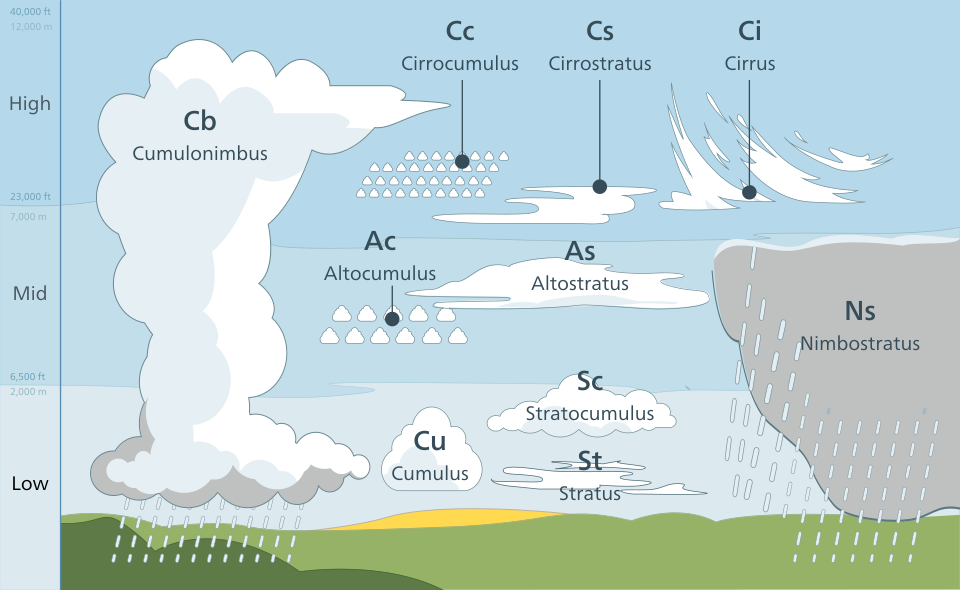
Heights of various cloud genera including high-, mid-, and low-level clouds

Cirrostratus cloud

Altocumulus clouds

🌥️ Conclusion
Altostratus clouds may look simple, but they play an important role in our weather! 🌥️ They teach us about the sky, help us understand weather changes, and keep weather watchers busy! 🌈Next time you see altostratus clouds, remember how they formed, what types exist, and how they predict rain. Enjoy the wonders of nature, and keep looking up at the sky! It’s full of surprises waiting to be discovered! 🌍
Go deeper🧮 Altostratus In Meteorology
In meteorology, altostratus clouds are super important! 🧮Scientists and weather forecasters study these clouds to understand what kind of weather is coming. Altostratus clouds can be indicators of a weather front, which is when different types of air meet. 🌬️ Meteorologists can use special tools and satellites to observe these clouds and predict when it might rain or snow. By learning about altostratus, we get a better picture of our weather and can be better prepared for what’s coming next! 🌦️
Go deeper😊 Types Of Altostratus Clouds
Altostratus clouds come in different varieties! 😊The two main types are "altostratus opacus" and "altostratus translucidus." Altostratus opacus clouds are very thick and cover the whole sky, often blocking the sun completely. ☁️ On the other hand, altostratus translucidus clouds are a bit thinner, allowing some sunlight to peek through. These variations can help meteorologists make predictions about the coming weather. By understanding how thick or thin these clouds are, scientists can better prepare for rain or other weather changes! 🌧️
Go deeper🌬️ Formation Process Of Altostratus
The formation of altostratus clouds is quite fascinating! 🌬️ They start to form when warm, moist air rises into the atmosphere. As this air cools, the water vapor condenses into tiny droplets. If the air is chilly enough, some droplets may freeze into ice crystals! ❄️ Eventually, when the droplets cluster together, they combine to create the flat, grayish sheets we see in the sky. Sometimes, this happens when warm air meets cooler air, creating just the right conditions for these clouds to form. Nature is amazing, isn't it? 🌍
Go deeper😄 Fun Facts About Altostratus Clouds
Here are some fun facts about altostratus clouds! 😄Did you know they can cover an entire area like a giant blanket, making everything look gray? Also, they often appear before weather changes, like a sneak peek for rain! 🌧️ You'll find them at middle altitudes, much higher than fluffy cumulus clouds. Altostratus clouds can even signal one or two days of rainy weather! 🌦️ Next time you spot these clouds in the sky, you can show off your knowledge and tell your friends what they mean!
Go deeper🌦️ Weather Associated With Altostratus
When altostratus clouds are in the sky, they can change the weather! 🌦️ Often, these clouds mean rain or light snow is coming soon. They can create overcast skies, which means the sun isn't shining brightly. It’s a good idea to have your umbrella handy! ☔️ Sometimes, if the clouds are thick enough, rain can start to fall soon after they appear. They’re like a warning signal for changing weather. By watching altostratus clouds, you can become a mini weather expert and tell your friends when rain is on the way! 🌧️
Go deeper🌦️ Characteristics Of Altostratus Clouds
Altostratus clouds have some unique characteristics! 🌦️ They are formed from tiny water droplets and sometimes ice crystals. These clouds can stretch out over a large area, making the sky appear completely covered. One neat thing about altostratus clouds is that the sun can sometimes be seen shining through them, creating a pretty, diffused light effect! ☀️ They're not the bumpy, fluffy types like cumulus clouds, but they can set the mood for cooler, moody weather. If you see these clouds, they usually mean rain isn't too far away!
Go deeper🌍 Geographical Distribution Of Altostratus
Altostratus clouds can be found all around the world! 🌍They are commonly seen in many places, especially when weather fronts are moving through. In North America, you might spot them in any season, even during summer! 🌻They are more likely to appear when warm, moist air meets cooler air, so they can pop up almost anywhere. However, you may see them more often in regions with changing weather patterns. So if you look at your sky and see these clouds, remember—they're just passing through, no matter where you live! 🌈
Go deeper📚 Historical Significance Of Cloud Classification
Cloud classification has a fascinating history! 📚Scientists, like Luke Howard in the early 1800s, helped identify and name different types of clouds, including altostratus. 🌩️ By naming clouds, it made it easier for everyone to communicate about the weather. This helped sailors, farmers, and anyone who needed to know what was happening in the sky! Knowing about altostratus and other clouds led to better predictions about storms, rainfall, and more—keeping people safe and informed for generations! 🌍Isn’t it amazing how cloud names can help us understand our world?
Go deeper🌈 Differences Between Altostratus And Other Cloud Types
Altostratus clouds are different from other cloud types in many ways! 🌈For example, they are usually higher than stratus clouds, which are low-hanging and gray. Altostratus clouds also don’t have the fluffy, towering shape of cumulus clouds. ⛰️ Another key difference is that altostratus clouds can indicate that rain is on the way, while cumulus clouds might just mean a nice sunny day! ☀️ In contrast, cirrus clouds are high, thin, and wispy, while altostratus are denser and thicker. Knowing the differences helps us understand what kind of weather to expect!
Go deeper