Acorns are the nuts produced by oak trees, serving as a vital part of their life cycle and an important food source for many animals.
Set reading age
View for Kids
Easy to read and understand
View for Students
Clear, detailed explanations
View for Scholars
Deep dives and big ideas
Acorns are the seeds of oak trees! 🌳These little nuts are typically brown and round, and they grow in clusters. Acorns are very important for nature because they provide food for many animals like squirrels, deer, and birds. Oak trees can be found in many places, especially in North America, Europe, and Asia. There are more than 600 types of oak trees, and each type produces its own unique shape of acorn. Did you know that some acorns can take up to 18 months to grow from a flower to a nut? Isn't that cool? 🌰✨
Acorns can be used in cooking, but they need to be prepared carefully. 🥘When processed correctly, acorn flour can be made and used in many yummy recipes! People can bake pancakes, bread, or cookies using acorn flour. Some people also use it as a thickener in soups and stews. 🥣Acorns have a nutty flavor that many enjoy! Some animals even enjoy acorns raw, while others prefer the acorns roasted for a crunchier snack! Eating acorns can be a fun adventure in trying new foods! 🌰What will you make with acorn flour?
Oak trees grow best in warm places with lots of sunlight. ☀️ They love to spread their roots in well-drained soil. Acorns need moisture to grow, so they like areas that have a good amount of rain. These trees can be found in forests, parks, and backyards! Oak trees can live for hundreds of years, and they produce acorns when they're at least 20 years old. 🌳💧 In fall, you might see acorns falling from trees as they get ready to sprout. The best time for acorns to grow is during the warm spring days! 🌼
Acorns hold a special place in many cultures! In ancient times, they were considered a symbol of strength and endurance because oak trees can live for hundreds of years. 🌳In Norse mythology, the oak tree was sacred to the god Thor! 🎇Acorns are also used in art, jewelry, and crafts. Some people create beautiful decorations using acorns during autumn! 🍂They can be found in festivals that celebrate nature, highlighting their importance to life. By learning about acorns, we understand how nature connects with cultures around the world! 🌎
Acorns play a big role in nature! 🦋They are like little snacks for many animals. Squirrels, deer, and even woodpeckers love to munch on acorns. 🌰Acorns also help oak trees spread their seeds, which is important for forests to grow. As animals eat and bury acorns, they help plant new trees throughout the forest! 🌳This is called "seed dispersal." Additionally, oak trees are homes for many animals and bugs, which makes them important for maintaining healthy ecosystems! 🌼Protecting oak trees and their acorns helps keep nature balanced and thriving.
Acorns belong to the family Fagaceae, which includes oak trees and their relatives. They are the fruit of the Genus Quercus. There are around 25 species of oak in North America alone! 🌍The most common types of oak trees that produce acorns are White Oak (Quercus alba) and Red Oak (Quercus rubra). An acorn is actually a type of "dry fruit" called a "nut." This nut has a hard outer shell to protect the seed inside. Acorns usually have a small, cup-like structure called a "cap" that helps keep them attached to the tree. 🍂
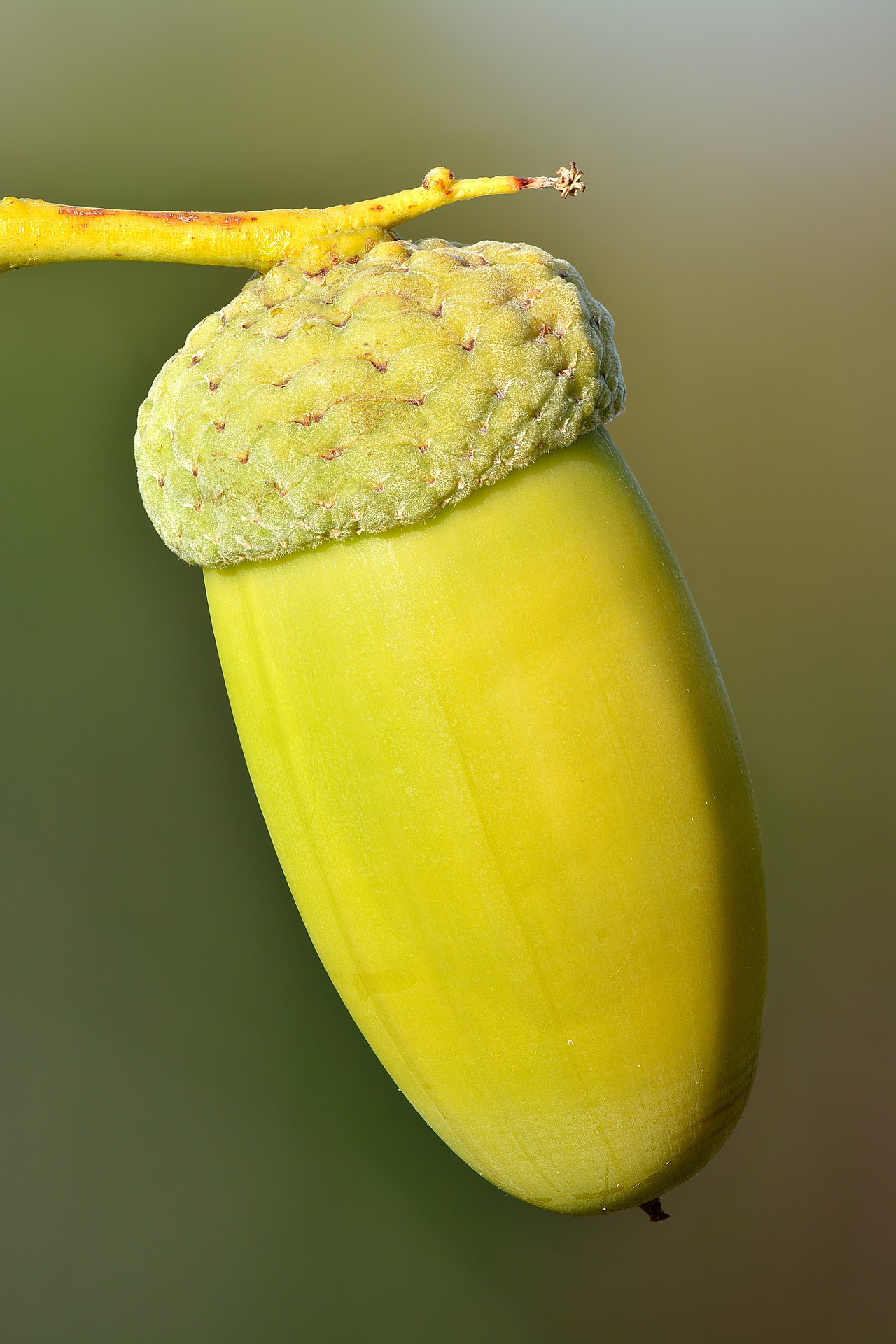
Acorns vary in size, shape, and color depending on the oak tree they come from. Most acorns are about 1 to 2 inches long, and their caps can look like little hats! 🎩They start off green and turn brown as they ripen. Some acorns are smooth, while others are rough. Did you know the size of the acorn helps animals know if it's ready to eat? 😮Animals use their sense of smell to find acorns hidden in the ground! This is a fun way that acorns help trees grow—they can sprout into new oak trees later on! 🌱
Sadly, acorns and oak trees face several threats! 🌍Pollution, climate change, and pests like the gypsy moth can harm oak trees and affect acorn production. Deforestation also reduces the areas where oak trees can grow. 🌳To help protect oak trees and their acorns, we should plant new oak trees, clean up our environment, and support local parks! 💚Many organizations work hard to conserve forests and educate people about the importance of oaks. By taking care of trees and their habitats, we can help ensure a healthy future for acorns and wildlife! 🦉
The life cycle of an acorn starts when it falls from an oak tree in autumn. 🍂If it lands in the right place with good soil and moisture, it can grow into a new tree! First, the acorn's hard shell cracks open, and a small root emerges. 🌱This root grows deep into the soil, while the plant stem reaches for the sunlight above. In a few weeks, little leaves will start to appear! It can take several years for the oak tree to grow strong enough to produce its own acorns. 🌳Eventually, it will continue the cycle again!
Many cultures have used acorns for their health benefits! 🌿Native American tribes, for example, ground acorns into flour to make bread and other foods. They also believed that acorns had healing properties. Some people used acorn tea to help with stomach aches or as a way to prevent colds! ☕Acorns contain nutrients that can help people stay healthy when prepared correctly. However, it's important to remove the bitter tannins in acorns before eating them! 🌰Tannins can make you feel sick if consumed, so proper preparation is key!


DIY is a creative community where kids draw, build, explore ideas, and share.
No credit card required