200 Philosophical Questions for Kids
A growing collection of thoughtful, fun, and kid-friendly philosophical questions — powered by KidsGPT.
What are philosophical questions for kids?
When people search for philosophical questions, they’re usually looking for questions that don’t have one clear answer. Philosophical questions invite thinking, wondering, and discussion. For kids, these questions are especially powerful because they encourage curiosity, imagination, and deeper thinking about the world around them. Philosophical questions for kids are designed to be age-appropriate while still exploring big ideas. Questions like What makes something fair?, Can you be brave and scared at the same time?, or What does it mean to be happy? help children think beyond facts and explore ideas, feelings, and values.
This approach to philosophy for kids isn’t about teaching formal philosophy or complicated theories. It’s about learning how to think, listen, and express ideas. Kids learn that it’s okay to have different opinions, to change their minds, and to explore questions without needing a “right” answer. With over 200 philosophical questions for kids, this collection turns thinking into an experience. Kids can explore questions on their own, talk them through with family or friends, or use KidsGPT to guide conversations, turning philosophy into something playful, approachable, and meaningful.
What are philosophical questions?
Philosophical questions are questions that explore ideas, values, and meaning rather than facts. They don’t usually have one correct answer. Instead, they invite thinking, discussion, and reflection. For kids, philosophical questions help develop curiosity, empathy, and reasoning. Questions about fairness, happiness, identity, or right and wrong encourage children to think about how the world works and how people experience it differently. The goal isn’t to solve the question, but to explore it. This makes philosophy a natural fit for kids, who already ask big questions about life every day.
Why are philosophical questions good for kids?
Philosophical questions help kids learn how to think, not what to think. By exploring open-ended questions, children practice explaining ideas, listening to others, and considering different viewpoints. This builds confidence, communication skills, and emotional awareness. Philosophy for kids also encourages patience and curiosity, showing children that it’s okay to wonder and take time to think. Because there are no right or wrong answers, kids feel less pressure and more freedom to express themselves. Over time, this supports critical thinking and deeper understanding.
How does KidsGPT help with philosophy for kids?
KidsGPT helps turn philosophical questions into guided conversations. When a child chooses a question, KidsGPT can ask follow-up questions, offer different perspectives, or help clarify ideas in simple language. This keeps the conversation going without giving “answers.” KidsGPT supports thinking rather than replacing it, helping kids explore ideas safely and respectfully. It’s like having a thoughtful guide that encourages curiosity, reflection, and discussion, making philosophy more approachable and engaging for kids.
Is this philosophy collection a game?
It’s not a traditional game with scores or winners, but it can be played like one. Kids can take turns choosing questions, build conversations together, or challenge themselves to think deeper with each round. Using KidsGPT adds structure and flow, turning philosophical questions into an interactive experience. This playful approach makes philosophy feel less like a lesson and more like a shared exploration of ideas.
How to explore philosophical questions
Open the question collection
Click Start Asking to explore a wide range of philosophical questions written especially for kids.
Pick a question and think it through
Choose a question that sparks curiosity. Kids can think quietly, talk it out loud, or discuss with others.
Go deeper with KidsGPT
Use KidsGPT to ask follow-up questions, explore different viewpoints, or turn one idea into a longer conversation.
Make the most of philosophical questions
There are no wrong answers Encourage kids to share ideas freely. Philosophy is about thinking, not being correct. Ask “why?” and “what if?” Follow-up questions help kids explore ideas more deeply and understand different perspectives. Turn questions into conversations Use questions at dinner time, in classrooms, or during quiet moments to spark meaningful discussion. Let KidsGPT guide the thinking KidsGPT can help explore ideas gently, offering prompts and reflections that keep conversations going.
Frequently asked questions
What is philosophy for kids?
Philosophy for kids focuses on thinking, asking questions, and exploring ideas in age-appropriate ways.
How many philosophical questions are included?
There are over 200 philosophical questions for kids, with more added over time.
Are these questions safe and age-appropriate?
Yes. All questions are written specifically for kids and focus on thoughtful, appropriate topics.
Do kids need an account to explore questions?
Kids can browse freely. An account allows deeper exploration using KidsGPT.
Can philosophical questions be used in classrooms?
Yes. They work well in classrooms, group discussions, and learning environments.
Does KidsGPT give answers to the questions?
No. KidsGPT helps guide thinking and discussion without providing “correct” answers.
Is this free to use?
Yes. The philosophical questions are free to explore. Some KidsGPT features may require an account or subscription.
Can kids explore questions on any device?
Yes. Everything works in the browser on desktop, tablet, and mobile devices.
More tools
Cute Minecraft Skins
Cute Minecraft Skins are a fun way for kids to show personality in a game they already love. This page explains what cute minecraft skins are, why kids enjoy making them, and how to turn a simple idea into a character that feels bright, friendly, and one of a kind.
Design a Game
Design a game by starting with an idea, choosing simple rules, and building something fun to play. This page helps kids understand what game design is and try it through guided making with Vibe Coding, a kid-friendly creative coding studio for turning ideas into interactive projects.
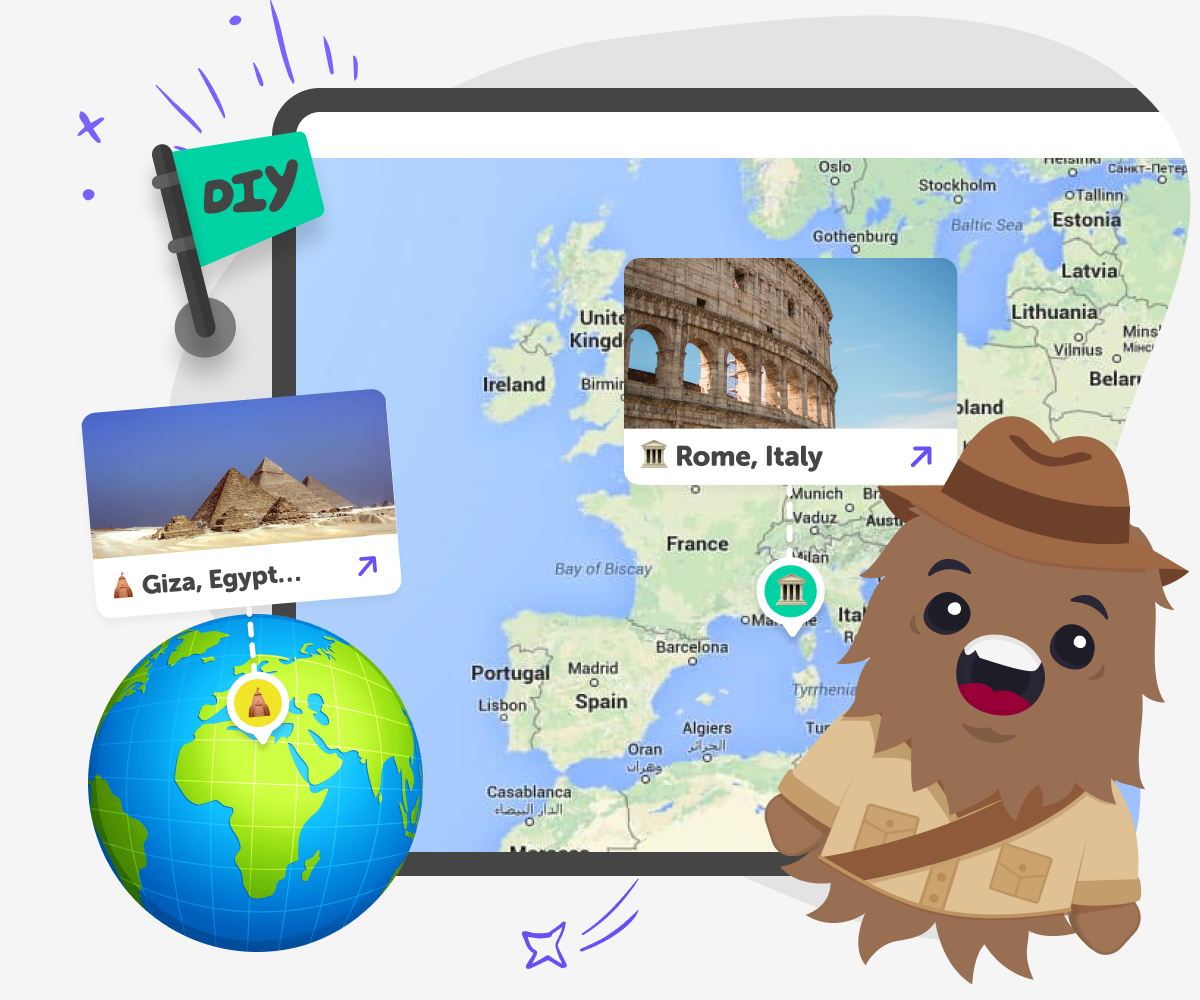
Maps for Kids: An Educational Atlas Made for Exploration
A kid-friendly atlas that turns maps into stories, discovery, and learning — powered by curiosity and KidsGPT.
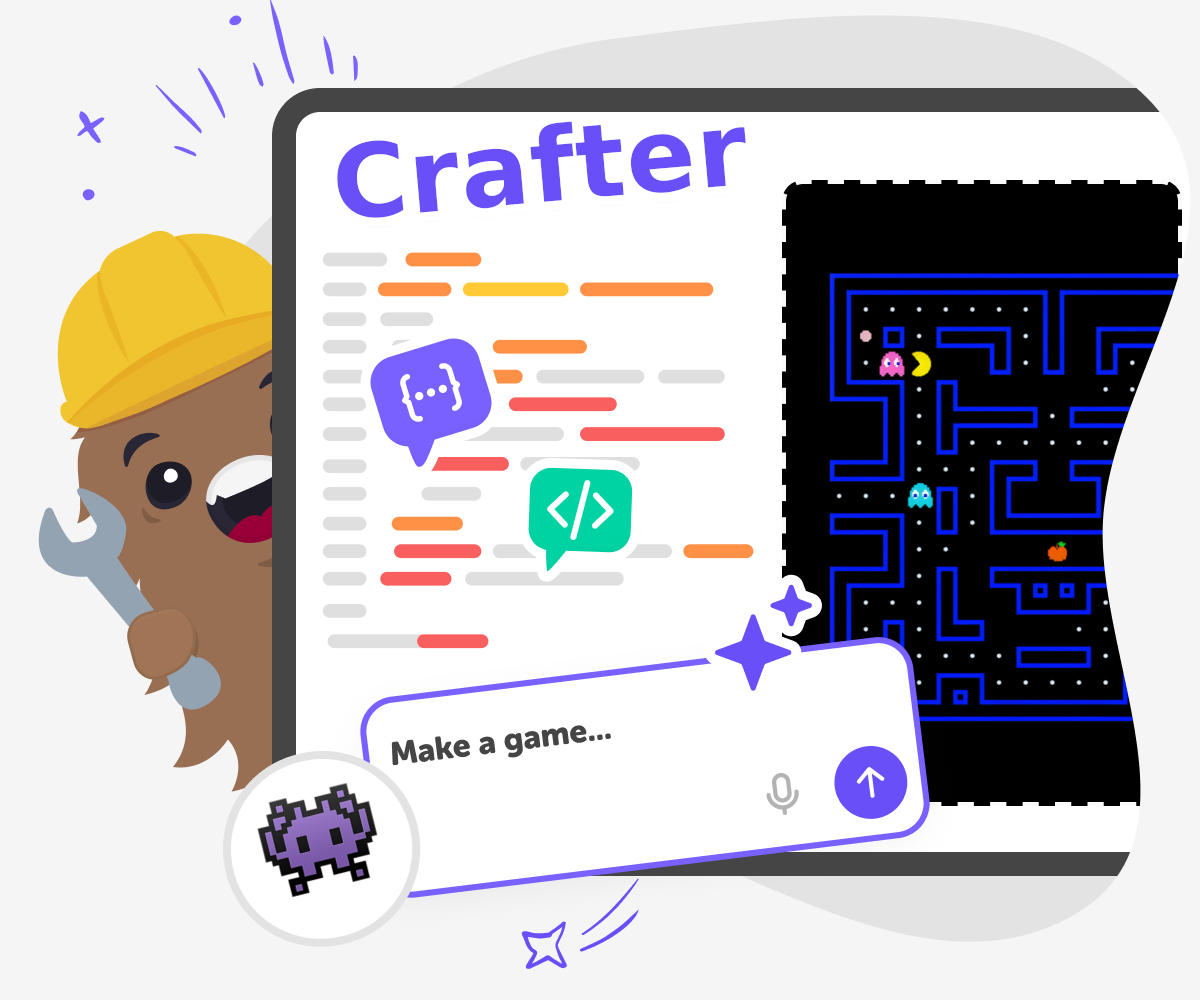
Game Crafter
Game Crafter helps kids understand how games are imagined, planned, and built, then try making their own with guided support in Vibe Coding. Kids can explore ideas step by step, test what they create, and keep improving it as they learn. It is a safe, hands-on way to build coding confidence, practice problem-solving, and turn creative ideas into interactive projects.
Ready to start creating?
Join hundreds of thousands of kids already building cool stuff on DIY.ORG.
Your first game is on us.
Describe a game below - no sign-up needed to try.
Powered by AstroSafe
Make real games - not just chat