Minecraft House Ideas
Minecraft house ideas give kids a fun way to imagine, plan, and build spaces that feel safe, creative, and personal in the game. From tiny starter homes to castle builds and treehouses, each idea can help kids practice design choices, problem-solving, and confidence while they make something that reflects their style.
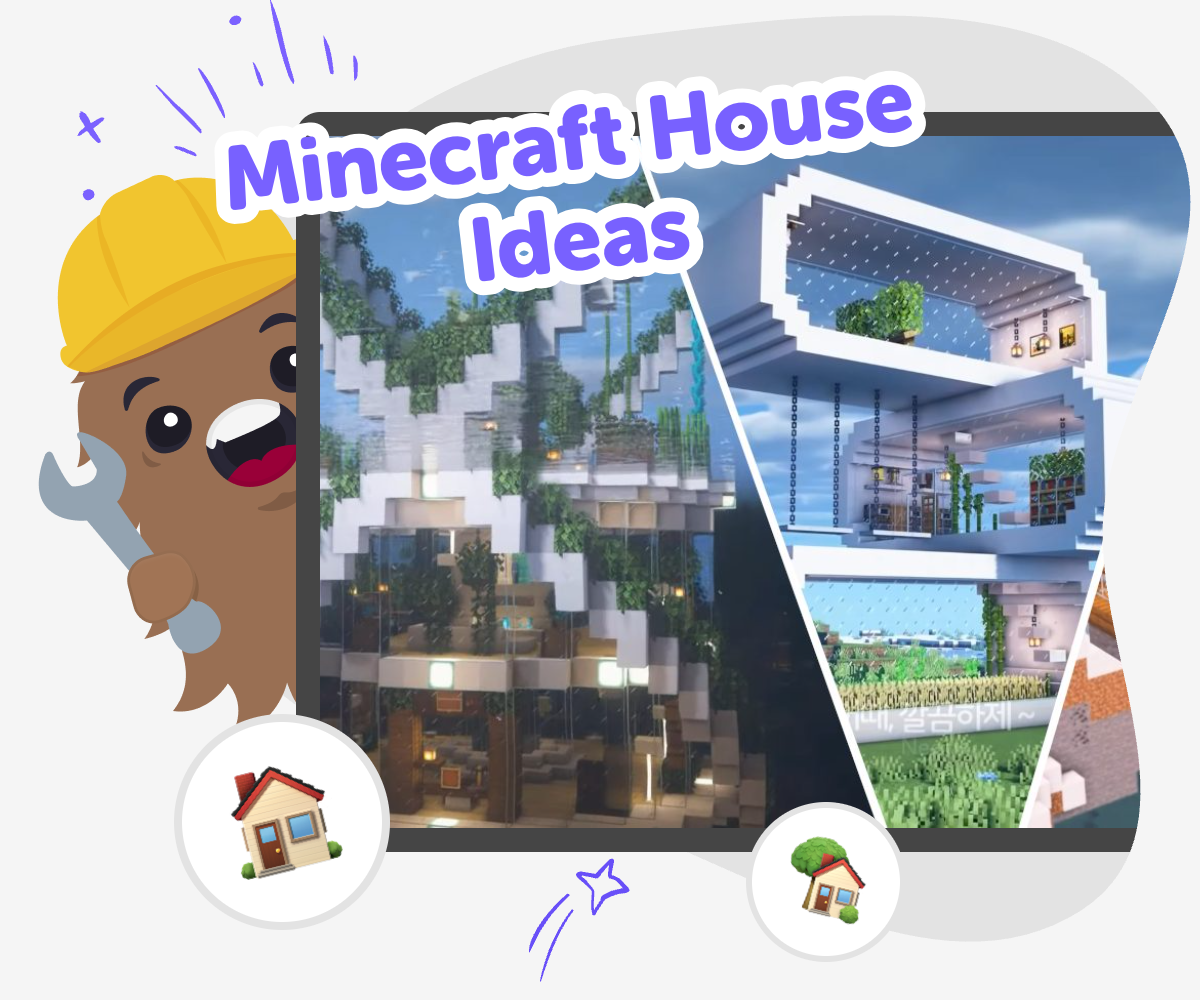
Build Minecraft Houses
Minecraft house ideas are a fun way for kids to turn a game world into something personal and creative. A house can be small and simple or big and detailed, but either way it helps kids practice planning, building, and making choices that fit a theme they like. That kind of play matters because it builds confidence, patience, and problem-solving while keeping the project exciting. Kids can start with a basic shelter, then add rooms, windows, paths, roofs, and decorations as their ideas grow. Each build is a chance to try something new, notice what works, and change what does not.
Vibe Coding gives kids a guided way to explore Minecraft house ideas by helping them turn a build concept into a project they can shape step by step. Kids can describe the kind of house they want, test different versions, and improve the design as they go. This makes the topic feel hands-on and safe, with room for creativity, experimentation, and learning through making instead of just looking at finished examples.
Why do kids like making house builds in Minecraft?
Kids often like Minecraft house ideas because a house is one of the first things they understand in a game world. It feels familiar, but it also leaves room for imagination. A home can be tiny or huge, safe or adventurous, simple or detailed. That flexibility makes it a strong creative starting point for kids of different ages and skill levels. Younger kids can focus on shapes, colors, and where the door goes. Older kids can think about symmetry, hidden rooms, farms, paths, and style themes. Building a house also gives kids a clear goal, which can make the project feel less overwhelming than trying to create a whole world at once. The result is a project that feels personal, useful, and fun to keep improving over time.
What makes a house idea feel creative?
A creative Minecraft house idea usually has one clear theme or detail that makes it stand out. It might be a cozy cottage in the woods, a house built into a hill, a treehouse above the ground, or a bright modern build with glass and clean lines. Creativity does not have to mean complicated. Sometimes the smartest ideas are the ones that use a simple shape in a clever way. Kids can experiment with roof angles, color choices, room placement, and decoration to make the house feel different from a plain box. The best part is that creative decisions are easy to test. If something looks too empty, add plants or windows. If it feels too crowded, open the space up. That kind of experimenting helps kids learn that design is something they can change and improve.
How can kids stay safe and confident while building?
Safety and confidence go together when kids work on Minecraft house ideas. A safe project starts with clear limits, like choosing one build goal, one theme, or one room layout before adding extra details. That helps kids avoid feeling stuck or frustrated. Confidence grows when kids know they can make changes without ruining the whole project. In creative building, mistakes are part of the process, not a problem to fear. If a roof looks odd or a room is too small, kids can rebuild it and learn from what happened. That is a healthy way to practice problem-solving. It also helps when a build is age-appropriate, with simple choices for younger children and more complex planning for older ones. Small wins, like finishing a doorway or choosing a color scheme, can make a big difference in how capable kids feel.
How does guided making help with learning?
Guided making helps kids slow down, think about each choice, and turn an idea into something they can improve. With Minecraft house ideas, that means not just copying a build, but deciding what kind of home to make, how it should work, and what details matter most. A guided tool like Vibe Coding supports that process by helping kids describe an idea, test a version, and keep refining it. This can strengthen coding confidence because kids practice breaking one big goal into smaller steps. It also supports problem-solving, because they have to notice what works and what needs to change. Over time, kids learn that creative technology is not about getting everything perfect on the first try. It is about exploring, editing, and building toward something that feels like their own idea.
How to Explore the Idea
Pick a house style
Choose a simple starting idea like a starter hut, treehouse, castle, or modern home. Think about who lives there, where it sits, and what makes it feel special.
Plan the shape
Sketch or describe the size, roof style, rooms, and entrance. Keep the first version simple so it is easier to build and adjust later.
Add details that fit
Choose blocks, colors, windows, doors, and decorations that match the style. Add one feature at a time so the build stays clear and manageable.
Make the most of testing
Try a new layout Change one room, roof, or path to see if the house feels easier to use and nicer to look at. Check the balance Look at the build from different sides so the shape, size, and decoration still feel right together. Improve the details Swap blocks, move windows, or add small touches until the house feels more like your idea. Save your favorite version Keep the design you like best, then try a new Minecraft house idea next time so you can keep learning and experimenting.
Frequently asked questions
What are Minecraft house ideas?
Minecraft house ideas are starting points for building homes in the game. They can be simple starter shelters, themed houses, hidden bases, or big creative builds. The idea helps kids choose a direction before they start placing blocks.
What is a good first Minecraft house for kids?
A good first house is usually small, simple, and easy to finish. A starter cottage, tiny cabin, or basic square house works well because kids can focus on rooms, doors, windows, and a roof without getting overwhelmed.
How do kids come up with their own house design?
Kids can start with a theme, like forest, beach, castle, or modern, and then pick a shape, color palette, and special feature. One small detail, like a tower or garden, can make the build feel original.
Can kids make a house that is both simple and creative?
Yes. A house does not need to be huge to feel creative. Kids can make a simple shape and then add one interesting idea, such as a balcony, glass wall, secret room, or unusual roof.
Why is planning a build helpful before making it?
Planning helps kids know where the house will go, how big it should be, and what parts to build first. That makes the project easier to finish and helps kids change things before they spend time on the wrong layout.
How can kids improve a house after the first version?
They can test the build, notice what feels too small or too plain, and then change one part at a time. Swapping blocks, moving windows, or adding paths and decorations are simple ways to improve it.
Is it okay if a Minecraft house changes a lot while building?
Yes. Changing the design is part of learning and making. Many great builds begin as one idea and become better after a few edits, because kids notice new possibilities as they work.
How can Vibe Coding help with Minecraft house ideas?
Vibe Coding gives kids a guided way to think through their build, describe what they want, and improve the idea step by step. It supports experimentation and confidence without turning the project into something automatic or finished for them.
More tools
Build Creative Games
Build Creative Games helps kids explore how ideas become playable projects. With Vibe Coding, kids can shape a game step by step, test what happens, and keep improving their work as they learn to think like makers.
Build Games For 10 Year Olds
Build games for 10 year olds by turning big ideas into simple, creative projects kids can actually make, test, and improve. This page explains how game-making works, why it helps kids grow, and how guided coding support can make the process feel exciting and doable.
Build Games For 10th Grade
Build games for 10th grade by turning a fresh idea into a playable project with guided, hands-on coding. Kids can plan the rules, test what works, and keep improving their game as they learn creative problem-solving and coding confidence.
Build Games For 11th Grade
Build games for 11th grade by turning a big idea into a playable project kids can plan, create, test, and improve. This topic helps learners build coding confidence, practice problem-solving, and explore creative technology through hands-on making with Vibe Coding.
Ready to start creating?
Join hundreds of thousands of kids already building cool stuff on DIY.ORG.