Girl Math Simulator for Kids | Six Seven Game
Play the Girl Math Simulator using Six Seven Game to practice maths for girls. Safe, fun, and designed to build confidence.
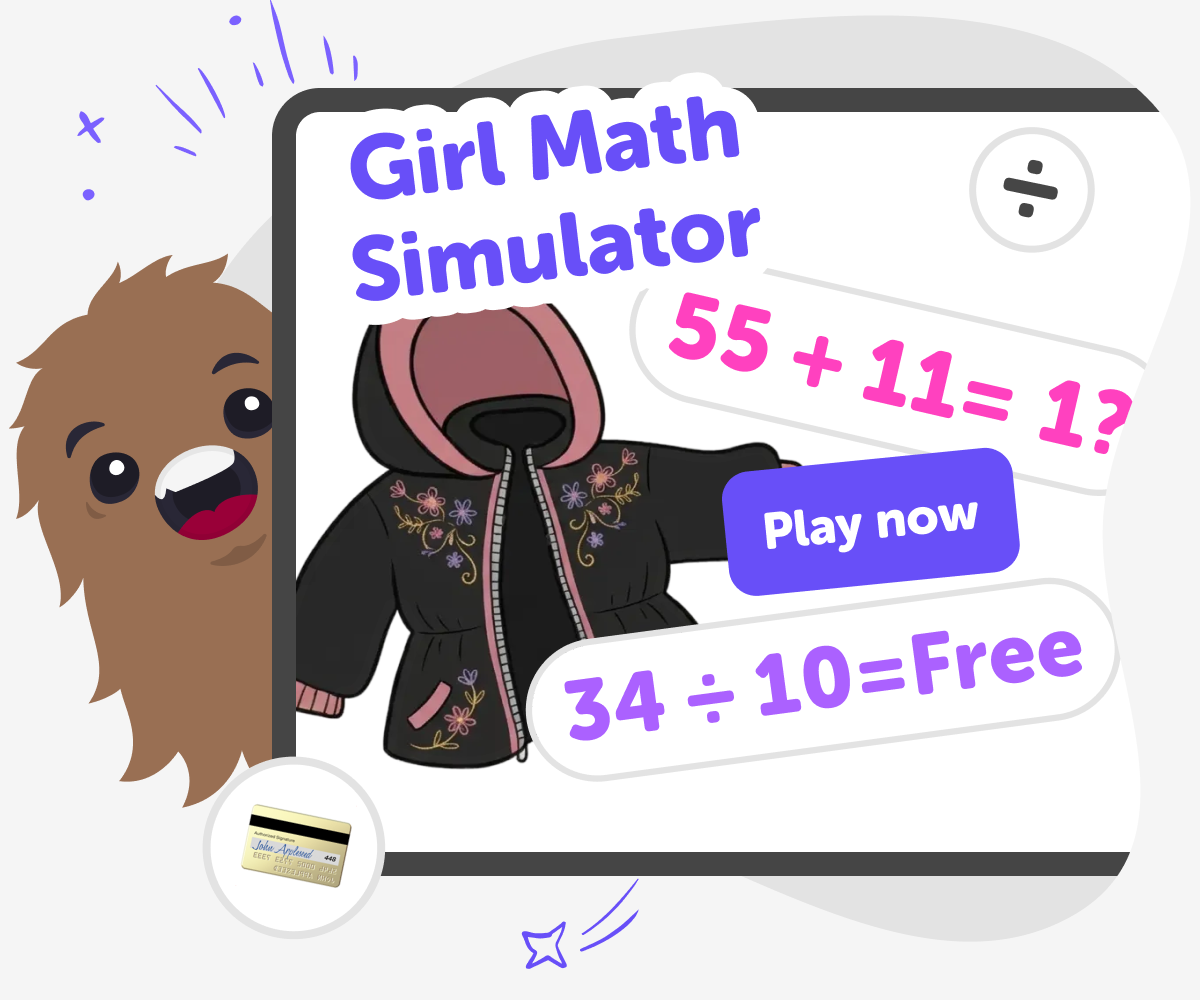
What Is a Girl Math Simulator?
A girl math simulator is a playful way for girls to practise maths by working on consistent, goal-oriented problems. Instead of random worksheets, a simulator gives a clear target — in Six Seven Game, that target is always 67 — and a set of problems that change type and difficulty. This keeps practice playful and predictable, so kids can try strategies, see progress, and build confidence. Using a simulator keeps practice safe, low-pressure, and hands-on. It’s perfect for short sessions, group play, or classroom warm-ups where girls can experiment with addition, subtraction, and other operations without worry confidently.
Six Seven Game on DIY.org turns the girl math simulator idea into hands-on play. Kids pick a mode, Classic, Addition Only, Roots and Powers, Guess The Operator, and more, and solve equations so they equal 67. Problems can include negatives, powers, or two missing numbers on harder levels, letting players explore different maths ideas while staying focused on one clear goal. Because DIY.org is built for kids, Six Seven Game keeps problems age-appropriate and the environment safe. Scoring, streaks, and mode choices turn practice into repeatable play. Parents and teachers can encourage short daily sessions, review strategies together, and use the game to build confidence with maths for girls.
How does the Six Seven Game help girls learn maths?
Six Seven Game helps girls learn by turning practice into short, focused challenges with immediate feedback. Each correct answer scores points and continues a streak, so players notice improvement in real time. The game’s multiple modes let learners explore different maths concepts — addition, subtraction, multiplication, negative numbers, roots, and operator guessing — at a comfortable pace. Teachers and parents can use specific modes for targeted practice. Because the goal stays the same, kids practise mental maths strategies, pattern recognition, and estimation without pressure, building curiosity and persistence through play.
Is Six Seven Game safe for kids?
Yes. Six Seven Game on DIY.org is designed for children and puts safety first. The game focuses on maths problems and has no open internet content or external links during play. Sharing is optional and goes through DIY.org's kid-safe, moderated posting tools if children choose to show their progress. Questions are age-appropriate and adjustable through mode selection, so parents and educators can set a comfortable challenge. The scoring and streak features motivate practice without negative pressure. It’s a controlled space where girls can explore and learn with adult reassurance.
Can players change game types and level up?
Absolutely. Six Seven Game includes many modes so players can change types and gradually take on harder problems. Start in Classic for mixed problems, try Addition Only or Subtraction Only to focus specific skills, or choose Plus and Multiply for combined practice. Zero mode introduces negatives, Roots and Powers brings square roots and exponents, and Guess The Operator asks players to identify which operation makes 67. Hero Mode and Double Blanks increase complexity with multi-part blanks. Switching modes helps girls notice patterns, test strategies, and level up their mental maths step by step.
Play the Six Seven Game
Choose a game mode
Open Six Seven Game and pick Classic or a specific category like Addition Only, Roots and Powers, or Guess The Operator.
Complete the equation
Look at the problem, then type or choose the number (or operator) that makes the equation equal 67 to score points.
Track score and streaks
Each correct answer gives 12 points and continues your winning streak. Aim for consistency and watch your progress over time.
Make the most of Six Seven Game
Try different modes Switch between Classic, Addition Only, Zero, and Hero Mode to see how problems change and which skills you like practicing. Practice short bursts Play a few rounds each day to build fluency without pressure. Short sessions help confidence and focus. Reflect and learn After a run, look at mistakes and try new strategies. Repeating the same mode deepens understanding. Share safely If kids want, post progress using DIY.org's moderated sharing so friends and teachers can encourage improvements.
Frequently asked questions
What age is the Girl Math Simulator for?
It’s designed for kids aged 5–15. Modes adapt difficulty so beginners can start simple while older kids try harder challenges.
Is the Six Seven Game free to play?
Yes. The Six Seven Game is free to play. Creating an account unlocks saving progress and comparing streaks.
Do kids need to know advanced maths?
No. Early rounds are simple and build skills gradually. Advanced modes are optional when ready.
Can kids change the game mode?
Yes. Kids can switch between Classic, Zero, Roots and Powers, Guess The Operator, and focused modes anytime.
How many points do you get per correct answer?
Each correct answer gives 12 points. Streaks add meaning and help players track progress over time.
Is sharing required?
No. Sharing is optional. DIY.org's moderated tools let kids share safely only when they choose to post.
Can teachers use it in class?
Yes. Teachers can use specific modes for warm-ups, group challenges, or targeted practice to support lessons.
Does it work on tablets and computers?
Yes. The game runs in browsers on desktops, tablets, and many mobile devices without downloads.
More tools
Build a Princess Game
Build a princess game with creative, kid-friendly ideas about characters, choices, and play. Kids can imagine a princess world, shape the rules, and use Vibe Coding to turn their idea into an interactive project they can test and improve step by step.
Build a Probability Game
Build a probability game to explore chance, fairness, and patterns through hands-on play. Kids can make choices, test outcomes, and see how small changes affect what happens next while building confidence with simple math ideas.
Build a Prodigy Game
Build a Prodigy Game is a kids-first way to explore game making with creativity, problem-solving, and confidence. Kids can imagine the kind of game they want, shape the rules, test what happens, and keep improving it until it feels fun and clear. With guided support from Vibe Coding, kids can turn an idea into an interactive project while learning that great games are built through practice and experimentation.
Build a Pumpkin Clicker Game
Build a pumpkin clicker game with Vibe Coding and turn a simple Halloween idea into a playful project kids can make, test, and improve. This kid-friendly page explains the concept, shows how clicker games work, and gives young makers a safe way to explore coding confidence through hands-on creation.
Ready to start creating?
Join hundreds of thousands of kids already building cool stuff on DIY.ORG.
Your first game is on us.
Describe a game below - no sign-up needed to try.
Powered by AstroSafe
Make real games - not just chat