Cool math games for kids | Six Seven Game
A fun, kid-safe set of cool math games where children solve puzzles to make the answer 67 using different modes and build streaks.
What are cool math games?
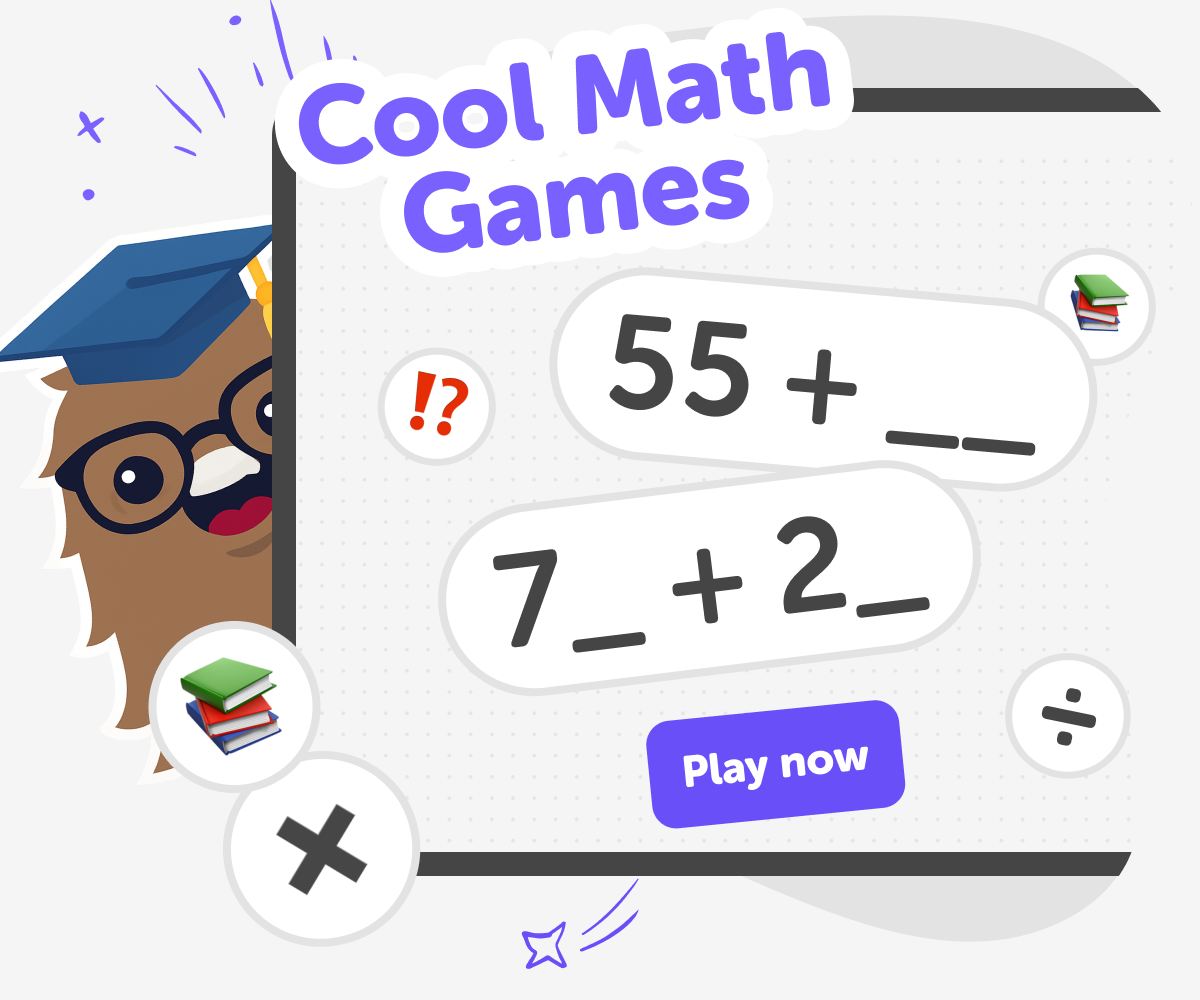
Cool math games are playful challenges that make numbers feel exciting and hands-on for kids. Instead of dry drills, these activities present puzzles, mysteries, and game-like goals that encourage experimentation. Players learn by trying different strategies, noticing patterns, and enjoying immediate feedback. That mix of play and learning helps maths feel like a creative problem to solve rather than a chore. For families and educators, cool math games offer a way to practise core skills in short, motivating bursts. They build confidence through small wins and encourage curiosity about how numbers work, making maths approachable for ages five to fifteen.
Six Seven Game on DIY.org is a great example of cool math games that stays safe, simple, and educational. Each round asks players to complete an equation so the answer is always 67. Kids type the missing number, guess operators, or solve double blanks depending on the mode. The game includes Classic, Zero, Roots & Powers, Guess The Operator, Plus & Multiply, Addition Only, Subtraction Only, and Hero Mode for advanced challenges. Designed for children, Six Seven Game supports learning through making and replaying. It tracks streaks and scores so players see progress without pressure, and sharing is optional and moderated for safety.
How do maths games for kids help learning?
Maths games for kids turn abstract ideas into active problems to solve, helping children practise while having fun. By presenting short, varied challenges, games increase repetition without boredom and reward curiosity when players discover patterns or shortcuts. Games like Six Seven Game expose learners to many problem types — addition, subtraction, multiplication, division, negatives, and powers — so kids see relationships between operations. Over time this supports mental fluency, strategy-building, and confidence. For parents and teachers, these games are a tool to encourage independent practice and to show how making mistakes leads to useful learning moments.
Is the Six Seven Game safe for kids?
Yes. Six Seven Game on DIY.org is designed for children and kept kid-friendly. The gameplay focuses entirely on math problems that appear inside the app; there’s no external content or risky links. Modes let kids choose age-appropriate difficulty, from simple additions to Hero Mode challenges. Sharing and account features are optional and use DIY.org’s moderated tools so kids can post and receive feedback in a safe environment. Because the game emphasises practice and iteration rather than high-stakes competition, parents can feel confident it supports healthy screen time focused on learning.
Can kids extend their math play with this game?
Absolutely. Six Seven Game is built to be replayable and flexible so kids can extend their practice in lots of ways. They can switch modes to explore negatives, roots, and operator guessing, or enable Double Blanks for two missing numbers and more complex thinking. Players can set personal goals, time themselves, and try to beat their own streaks instead of comparing with others. Teachers and parents can use the categories to focus practice on specific skills, turning short game sessions into targeted learning activities that build toward real improvement over time.
How to play the Six Seven Game
Start Classic mode
Open Six Seven Game, choose Classic to begin; a mix of addition, subtraction, multiplication, and division problems appears with one blank.
Fill the blank to make 67
Read the equation, work out the missing number, and enter the value that makes the whole expression equal 67.
Change modes and track streaks
Try different categories like Zero, Roots & Powers, or Hero Mode and watch your winning streak and score increase with correct answers.
Make the most of Six Seven Game
Experiment with modes Switch categories to test different skills — try Zero for negatives, Roots & Powers for square roots, or Guess The Operator to practise operations. Practice streak-building Play regularly and focus on accuracy to build longer winning streaks. Record times and compare your own progress over sessions. Learn from mistakes When you miss a question, replay similar problems, notice patterns, and try different methods. Small retries build real understanding. Share and compare safely Create an account to save streaks and use DIY.org’s moderated sharing tools for friendly encouragement.
Frequently asked questions
What age is Six Seven Game for?
It’s designed for kids aged 5–15, with modes that suit beginners through more confident players and extra challenges for older kids.
Do I need to know advanced maths?
No. Start with Classic or Addition Only; harder modes like Roots & Powers appear as skills grow and curiosity increases.
How do kids earn points in the game?
Correct answers award points (for example, 12 points) and longer winning streaks show progress and improve your score over time.
Can I change the type of problems?
Yes. Choose modes such as Zero, Guess The Operator, Plus & Multiply, or Hero Mode to change problem types and difficulty.
Is sharing results required?
No. Sharing is optional. When used, DIY.org’s moderated tools ensure kid-safe, positive sharing with friends and family.
Can I save my progress?
Creating an account lets you save streaks and scores so you can track improvement and return to practise.
Does the game teach subtraction and multiplication?
Yes. The Classic mode mixes addition, subtraction, multiplication, and division; specialised modes focus on particular operations.
Can kids play Six Seven Game on tablets?
Yes. The game runs in modern browsers on desktops, tablets, and phones without needing downloads.
More tools
Build Math Games For 2nd Grade
Build math games for 2nd grade with kid-friendly ideas that make addition, subtraction, and early number skills feel playful, clear, and easy to practice.
Build Math Games For 5th Grade
Build math games for 5th grade with creative, hands-on projects that help kids practice skills, solve problems, and think like game makers. Use Vibe Coding to turn an idea into an interactive game, then test it, improve it, and make it your own.
Build Math Games For 7th Grade
Build math games for 7th grade with creative, hands-on projects that help kids practice skills like fractions, ratios, integers, and problem-solving while making something fun to play and share.
Build Math Games For 8th Grade
Build math games for 8th grade with playful challenges that help kids practice algebra, ratios, geometry, and problem-solving. Use Vibe Coding to design, test, and improve an interactive game step by step.
Ready to start creating?
Join hundreds of thousands of kids already building cool stuff on DIY.ORG.