Yoga for Flexibility
Learn and practice simple yoga poses and stretches to improve flexibility, balance, and breathing while following safety tips and fun guided sequences.


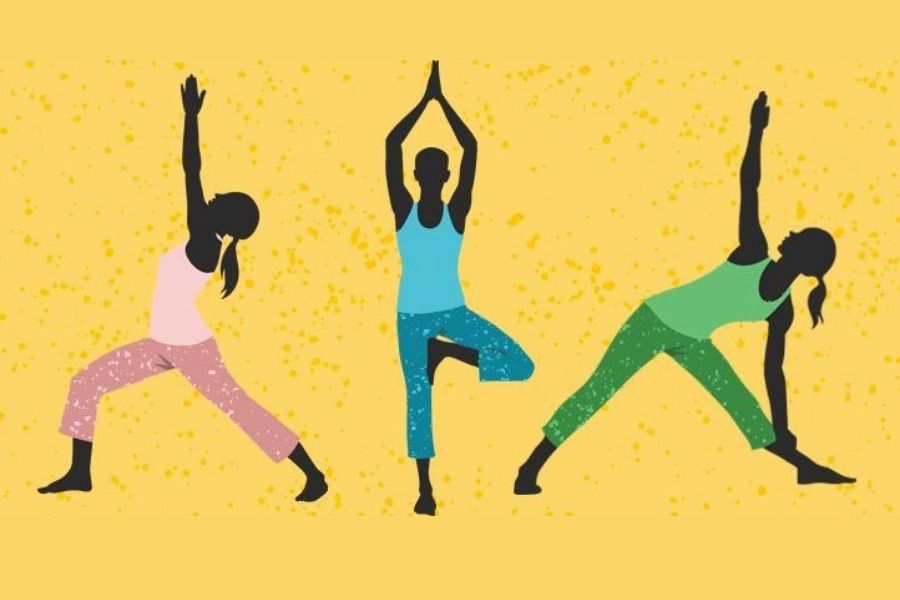

Step-by-step guide to Yoga for Flexibility
Step 1
Put on comfortable clothes.
Step 2
Spread your yoga mat or towel in a clear open space.
Step 3
Place your water bottle and cushion within reach.
Step 4
Ask an adult to supervise you before you begin.
Step 5
Stand tall at the front of your mat and take five slow deep breaths.
Step 6
Do 10 gentle neck rolls slowly clockwise then counterclockwise.
Step 7
Do 10 forward arm circles and 10 backward arm circles to warm your shoulders.
Step 8
Move to hands and knees and do Cat-Cow five times alternating arching and rounding with your breath.
Step 9
Push back into Child's Pose and breathe deeply for six slow breaths.
Step 10
Stand up and fold forward slowly aiming for your toes or shins and hold for four deep breaths.
Step 11
Practice Low Lunge on both legs holding each side for four steady breaths.
Step 12
Try Tree Pose on both legs balancing for six calm breaths on each side.
Step 13
Sit in Butterfly Pose hold your feet and gently flap your knees up and down for 10 counts while breathing.
Step 14
Lie on your back hug your knees to your chest and rock gently side to side three times to relax.
Step 15
Share your yoga practice and what you learned on DIY.org.
Help!?
What can I use instead of a yoga mat if I don't have one?
Use a bath towel or blanket on a carpeted area and place the cushion under your knees for extra padding during Cat-Cow and Child's Pose.
I'm feeling dizzy during neck rolls or keep falling in Tree Pose—what should I try?
If neck rolls make you dizzy do fewer slow rolls (try five) and stop if lightheaded, and for Tree Pose hold onto a chair or wall and keep the lifted foot on your ankle or shin while you aim for six calm breaths.
How can I adapt this routine for younger or older kids?
For younger children shorten counts to five neck rolls, three Cat-Cow cycles, and two-breath holds and keep an adult nearby with the cushion, while older kids can increase holds (for example eight breaths in Tree Pose) and try deeper forward folds toward toes or shins.
How can we extend or personalize the Yoga for Flexibility activity?
Add a calming playlist, use a small stuffed animal on the belly during breathing in Child's Pose, set a personal goal to hold Tree Pose longer, and then share your practice and what you learned on DIY.org.
Watch videos on how to do Yoga for Flexibility
How To Do Yoga | Yoga For Beginners | Fun Activities For Kids
4 Videos
How To Do Yoga | Yoga For Beginners | Fun Activities For Kids
Kids Yoga for Building Confidence!

Stretch Safari (Super Yoga) | Fun Workout For Kids
More yoga poses for children! | Cosmic Kids Yoga
Facts about yoga and stretching for kids
🧘♀️ Many kid-friendly poses like Child's Pose and Cobra are simplified forms of traditional asanas to make them fun and safe.
🌬️ Pranayama (breath work) exercises can help children calm down and focus in just a few mindful breaths.
🤸♂️ Doing short daily stretching sessions (10–15 minutes) can lead to noticeable gains in flexibility within weeks.
🧠 Research shows yoga for kids is often linked to improved attention, reduced stress, and better self-regulation in classrooms.
🌞 The Sun Salutation (Surya Namaskar) is a quick, flowing sequence that mixes stretching, balance, and gentle cardio.
How do you teach a child yoga for flexibility at home?
What materials do I need for kids' flexibility yoga?
What ages is yoga for flexibility suitable for?
What are the benefits and safety tips for children's flexibility yoga?
