Write and perform a song
Write simple lyrics and a melody, create basic rhythm with household instruments, rehearse, and perform your original song for family or friends.


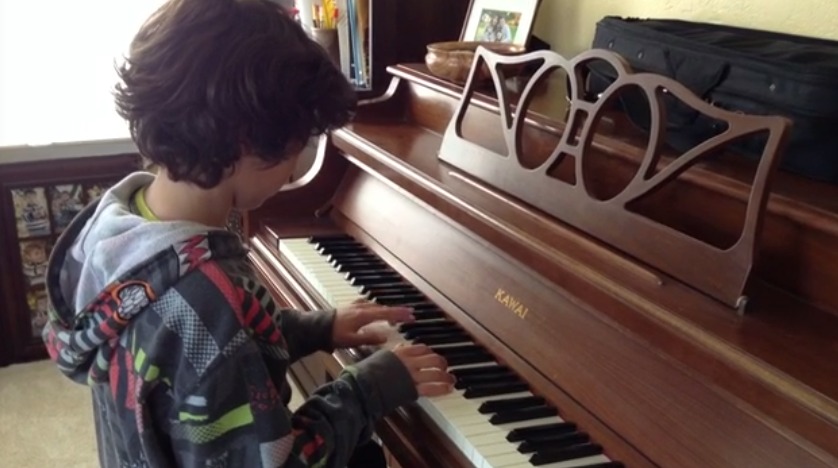

Step-by-step guide to write and perform a song
How to Teach Songwriting to Kids | Music Education Resources
Step 1
Gather all the Materials Needed and bring them to your practice spot.
Step 2
Pick a fun topic for your song like a pet a toy or a sunny day.
Step 3
Write a short title at the top of your paper.
Step 4
Write a simple chorus of two to four short lines that can repeat.
Step 5
Write one short verse of three to four lines that tells a little story.
Step 6
Hum the chorus to find a melody you like.
Step 7
Choose one household instrument to play a rhythm for your song.
Step 8
Create a steady rhythm pattern on your chosen instrument.
Step 9
Practice singing the chorus while playing the rhythm slowly to match words and beat.
Step 10
Rehearse the verse and chorus together three times in a row.
Step 11
Decide on one or two simple movements or facial expressions to use during the performance.
Step 12
Perform your whole song for family or friends using your instruments and movements.
Step 13
Share your finished original song on DIY.org.
Watch videos on how to write and perform a song
How To Teach the Super Simple Song "Line Up!" - Classroom Management Song for Kids!
4 Videos

How To Teach the Super Simple Song "Line Up!" - Classroom Management Song for Kids!
how to write a song! (for beginners/noobs)
How To Teach the Super Simple Song "What's Your Name?" - Hello Song for Kids!
Making a Song: Creating the Lyrics - Song Writing for Kids!
Facts about songwriting and music for kids
🎵 Many hit songs started as a short hummed melody — Paul McCartney famously woke up with the tune for "Yesterday".
🥁 Percussion is one of the oldest musical practices and you can make a great beat from jars, tins, or a cereal box.
🎤 Singing together often boosts mood and can help people feel calmer and more connected.
✍️ Most pop songs use a simple verse–chorus structure, which makes writing a new song easier to organize.
👏 Performing your song once for family is a powerful rehearsal — even a single live try builds confidence and timing.
How do I help my child write and perform an original song?
What materials do I need to write and perform a simple song with my child?
What ages is songwriting and performance suitable for?
What are the benefits of having my child write and perform a song?
