Write a Calligram
Create a calligram by arranging words into a matching picture using pencils and colored markers, practicing handwriting, layout, and visual storytelling skills.
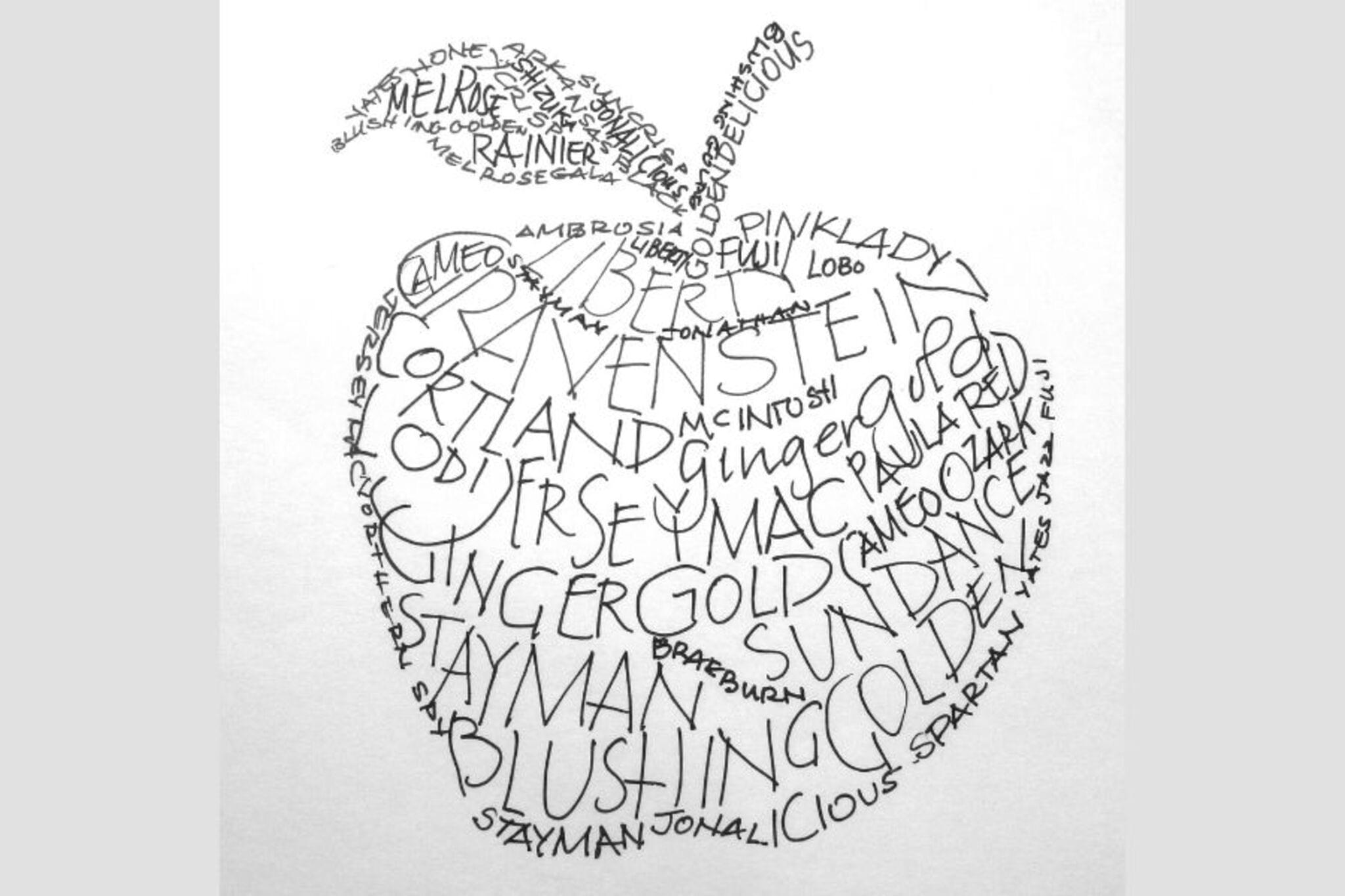
About this activity
Create a calligram by arranging words into a matching picture using pencils and colored markers, practicing handwriting, layout, and visual storytelling skills.
What you need
Step by step
- 1
Step 1
Pick a fun subject for your calligram like a cat tree rocket or flower.
- 2
Step 2
Write a list of words and short phrases that describe your subject or tell its story.
- 3
Step 3
Lightly draw the outline of your chosen shape on the paper with your pencil.
- 4
Step 4
Choose one main word that will be the biggest part of the picture.
- 5
Step 5
Lightly write the main word inside the outline so it follows the shape.
- 6
Step 6
Fill the rest of the shape by writing your other words to curve or stack along the outline.
- 7
Step 7
Rearrange or erase any words that look too crowded so the shape reads clearly.
- 8
Step 8
Use the ruler for any straight word lines you want to keep neat.
- 9
Step 9
Trace over each pencil word with colored markers to make them bold and bright.
- 10
Step 10
Gently erase any leftover pencil lines that you don’t want to see.
- 11
Step 11
Add small drawings or color decorations around the words to make your picture pop.
- 12
Step 12
Write a title at the top of your page.
- 13
Step 13
Sign your name at the bottom of your artwork.
- 14
Step 14
Share your finished calligram on DIY.org.
Fun facts
How do you make a calligram with your child?
Start by choosing a simple subject (tree, fish, or heart) and list words or short phrases about it. Lightly sketch the shape in pencil, then write the words along the outline and inside the shape, varying size, direction, and spacing to follow the form. Use pencil first so you can erase, then trace with colored markers. Add shading, patterns or small drawings to enhance the image, and encourage neat handwriting and storytelling as you arrange the words.
What materials do I need to make a calligram?
You need plain drawing paper or cardstock, a pencil and eraser for sketching, and colored markers or pens for final lettering. A pencil sharpener, ruler, and fine-tip pens help with details. Optional items: tracing paper, stencils, templates, colored pencils for shading, stickers, and scrap paper for practice. For younger children, pre-printed outlines or printable shapes make the activity easier while still focusing on handwriting and layout.
What ages is making calligrams suitable for?
This activity suits children aged about 6 to 12, when handwriting and layout skills are developing. Younger children (4–5) can join using traced shapes, large letters, or word stickers with adult help. Older kids and teens can create more detailed, text-dense calligrams with varied lettering styles and storytelling. Adjust tools, complexity, and supervision based on each child's fine motor skills and attention span.
What are the benefits of making calligrams and fun variations?
Calligram-making builds handwriting, vocabulary, planning, and visual storytelling skills while strengthening fine motor control and spatial awareness. It encourages creativity, patience, and confidence as children design and edit layouts. Use themes (animals, seasons, emotions) to reinforce topics. Variations include collaborative group calligrams, digital versions on tablets, or grammar-focused versions using only adjectives or verbs. Display finished pieces to boost pride and motivation.
Watch & Learn
Need help?
What can we use instead of colored markers or a ruler if they’re not available?
If you don't have colored markers, use colored pencils, crayons, or gel pens to 'Trace over each pencil word with colored markers', and replace the ruler in 'Use the ruler for any straight word lines' with a straight book edge or piece of cardboard.
My words look crowded or the shape is hard to read—what should I do?
Follow 'Rearrange or erase any words that look too crowded' by lightly erasing and rewriting words smaller, angling them to follow the outline from 'Lightly draw the outline', and use the ruler from 'Use the ruler for any straight word lines' to keep nearby lines neat.
How can I adapt this calligram activity for younger kids or older children?
For younger children, pre-draw the outline from 'Lightly draw the outline' and have them fill one main word from 'Choose one main word' or use stickers, while older kids can write longer phrases from 'Write a list of words and short phrases', experiment with lettering styles, and add detailed decorations in 'Add small drawings or color decorations'.
How can we extend or personalize the finished calligram before sharing it on DIY.org?
Turn your word list in 'Write a list of words and short phrases' into a color-coded legend, add mixed-media accents when you 'Trace over each pencil word with colored markers' and 'Add small drawings or color decorations', then 'Sign your name' and 'Share your finished calligram on DIY.org'.