Watercoloring: Painting an Easter Bunny
Paint a colorful Easter bunny using watercolors, watercolor paper, and simple brushes; practice blending, layering, and creating soft textures while adding festive details.


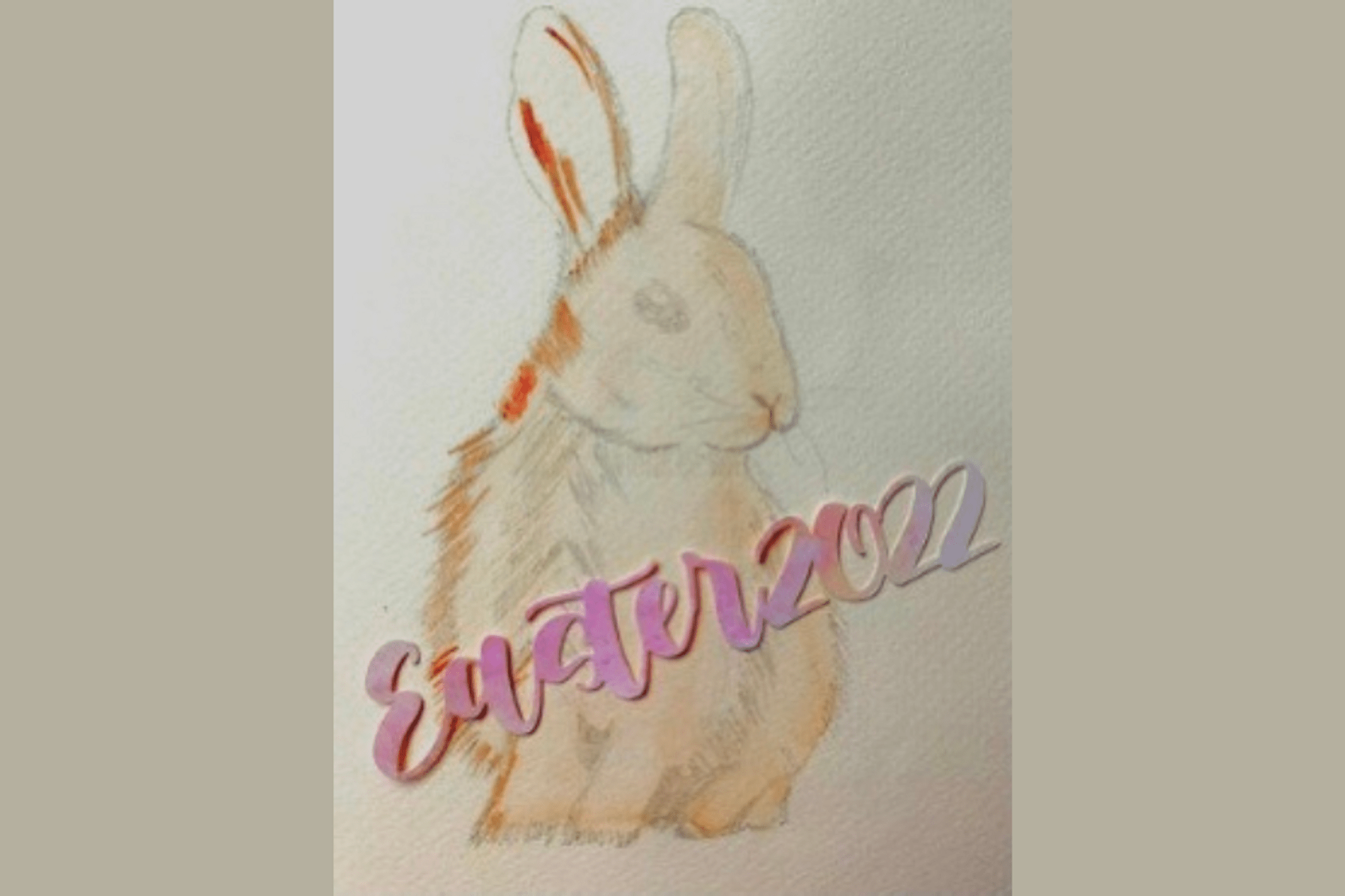
Step-by-step guide to paint a colorful Easter bunny with watercolors
How To Paint a Simple, Easy Easter Bunny in Watercolor l Watercolor Bunny Tutorial
Step 1
Tape the watercolor paper to your table or a flat board with masking tape.
Step 2
Lightly sketch a simple bunny shape on the paper with your pencil.
Step 3
Use the medium flat brush to wet the inside of your bunny sketch with clean water.
Step 4
Mix a soft pastel base color on your palette.
Step 5
Touch the base color to the wet paper so the color spreads and creates a soft wash.
Step 6
Rinse your brush in the cup of water.
Step 7
Mix a slightly darker color on the palette for shadows.
Step 8
Apply the darker color where you want shadows so it blends softly into the base.
Step 9
Wait until the painted area is fully dry before adding more details.
Step 10
Use the small round brush to paint the bunny’s facial features like eyes and nose.
Step 11
Paint festive details such as a bow and a few Easter eggs around the bunny.
Step 12
Use a clean damp brush to lift tiny highlights from the eyes and nose if you want shiny spots.
Step 13
Gently erase any visible pencil lines and carefully peel off the masking tape.
Step 14
Share your finished painting on DIY.org
Help!?
What can I use instead of watercolor paper or masking tape if I can't find them?
If you don't have watercolor paper, use heavyweight printer or mixed-media paper taped down with painter's tape or even regular masking tape to the table as in the first instruction so the paper stays flat while you paint the bunny.
My base color isn't spreading smoothly when I touch it to the wet bunny area—how do I fix that?
Make sure you follow the step to wet the inside of your bunny sketch with clean water using the medium flat brush and use a more diluted soft pastel base color on your palette so it spreads evenly, blotting excess water with a paper towel if puddles form.
How can I adapt this activity for younger kids or for older kids who want more challenge?
For younger children, pre-sketch the bunny and let them use the medium flat brush and soft pastel base for broad washes while supervising, and for older kids, encourage mixing multiple tones on the palette, adding subtle shadows with the darker color, and waiting for full drying before small round brush details.
What are some ways to personalize or enhance the finished Easter bunny painting?
After the paint is dry, personalize by adding texture like sprinkling table salt on the wet base for speckles, using the clean damp brush to lift highlights in the eyes and nose, painting intricate patterns on the Easter eggs, or carefully peeling the masking tape and sharing the artwork on DIY.org as suggested.
Watch videos on how to paint a colorful Easter bunny with watercolors
How to paint a bunny STEP BY STEP » Easy watercolor rabbit for beginners & Easter card ideas 2022
3 Videos
How to paint a bunny STEP BY STEP » Easy watercolor rabbit for beginners & Easter card ideas 2022
Easy Watercolour Bunny
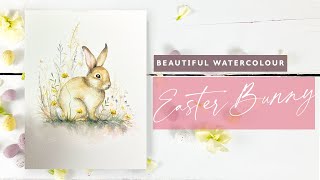
How To Paint The Easter Bunny In Watercolour
Facts about watercolor painting for kids
🐰 The Easter Bunny tradition was brought to America by German immigrants in the 1700s and became a fun part of spring celebrations.
🖌️ Watercolor paint uses a gum arabic binder, which means dried paint can be reactivated with water—great for fixing little oopsies!
🎨 The wet-on-wet watercolor technique blends colors softly and quickly, making it perfect for painting fluffy bunny fur.
🥚 People have dyed and decorated eggs as part of spring festivals for thousands of years—natural dyes from plants were often used.
📄 Watercolor paper is special: its texture and thickness hold water and pigment so your layers and soft washes look their best.
How do I paint a watercolor Easter bunny step by step?
What materials do I need to paint a watercolor Easter bunny?
What ages is watercolor Easter bunny painting suitable for?
What are the benefits of painting a watercolor Easter bunny for kids?
