Use music in a story
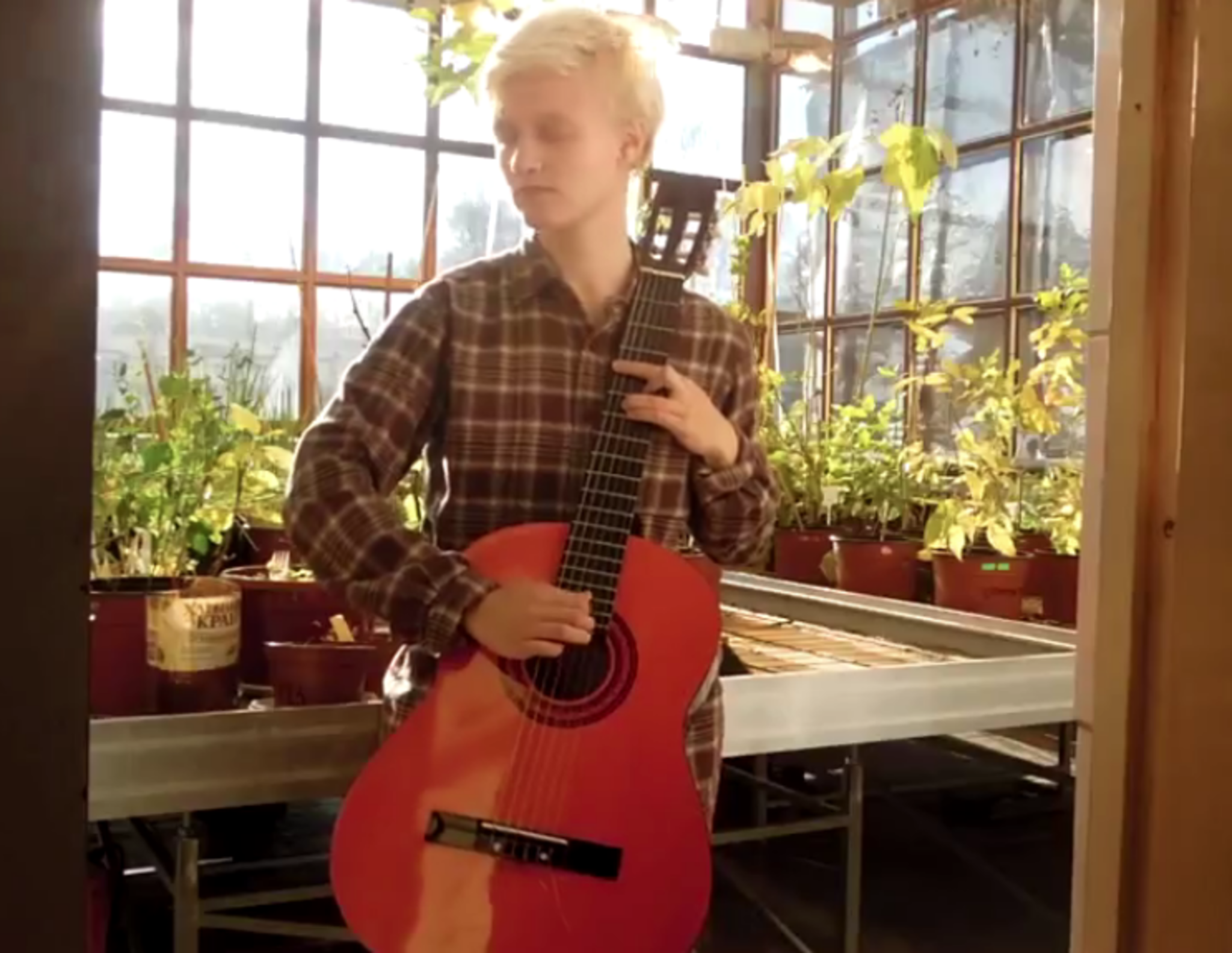
Write and perform a short story, then add simple songs, rhythms, or sound effects with instruments or voice to enhance mood and action.



Step-by-step guide to use music in a story
How To Create Story In Facebook With Music And Multiple Photos (Easy Method)
Step 1
Think of one exciting story idea and pick a fun name for the main character.
Step 2
Choose the place where your story happens and write the setting in one short sentence.
Step 3
Decide the problem or goal your character must face and write it in one short sentence.
Step 4
Write the beginning in one or two sentences to show the character and setting.
Step 5
Write the middle in one or two sentences to show the problem and what your character does.
Step 6
Write the ending in one or two sentences to show how the problem is solved or the goal is reached.
Step 7
Read your whole story aloud slowly to hear where it feels exciting calm or surprising.
Step 8
Mark the spots in the story where music rhythm or sound effects would make the mood or action stronger.
Step 9
Choose one simple song rhythm or sound for each marked spot using your voice an instrument or a household noisemaker.
Step 10
Practice performing the story aloud and add the chosen songs rhythms or sounds at each marked spot.
Step 11
Share your finished story performance with music on DIY.org.
Help!?
What can we use instead of a musical instrument or special noisemaker if we don't have one?
Use household items like pots and wooden spoons, a plastic container with rice for a shaker, or your own clapped or hummed rhythm when you 'Choose one simple song rhythm or sound' and 'Practice performing'.
I'm not sure where to put music in the story—how do we pick and mark the spots correctly?
After you 'Read your whole story aloud slowly', mark spots by underlining words, circling sentences, or placing colored sticky notes at the moments that felt exciting, calm, or surprising, then assign a simple sound to each marked spot and rehearse under 'Practice performing'.
How can this activity be adapted for different ages or skill levels?
For younger kids, keep the story to one-sentence beginning/middle/end and use easy clapped or hummed sounds from 'Choose one simple song rhythm', while older kids can write longer scenes, design multiple instrument parts, or record layered tracks to share on DIY.org as in the final step.
What are some ways to extend or personalize the story-with-music activity?
Make homemade instruments for each marked spot, record separate audio tracks on a phone to create background layers, add costumes or illustrations to the performance, and then upload the finished video to DIY.org to share.
Watch videos on how to use music in a story
How to Add Your Own Songs to Instagram Story - iPhone & Android
4 Videos
How to Add Your Own Songs to Instagram Story - iPhone & Android
How to add music to your Instagram Story or Post ( 2024 step by step guide)

How to Add Music to Instagram Stories and Posts

How to add music to instagram story on laptop - Full Guide
Facts about music and storytelling for kids
🎵 The oldest known written melody is the Hurrian Hymn No. 6, carved on clay tablets about 3,400 years ago.
🎭 Foley artists use everyday objects — like coconut shells for horse hooves — to bring stories to life with sound.
🥁 Simple rhythms (clapping, stomping, tapping) help groups stay in sync and make a performance feel more dramatic.
🎤 Short songs and repeated musical phrases help children remember story parts — music strengthens memory and language learning.
🧠 Changing music or a sound effect can instantly shift mood: a minor chord often sounds sad, a major chord sounds happy.
How do I help my child write and perform a short story with music?
What materials do I need to add songs and sound effects to a child's story?
What ages is this story-and-music activity suitable for?
What are the benefits of adding music to storytelling?
