Use a prop to tell a story
Choose or make a simple prop (puppet, hat, or object) and use it to create and perform a short three-minute story for friends or family.
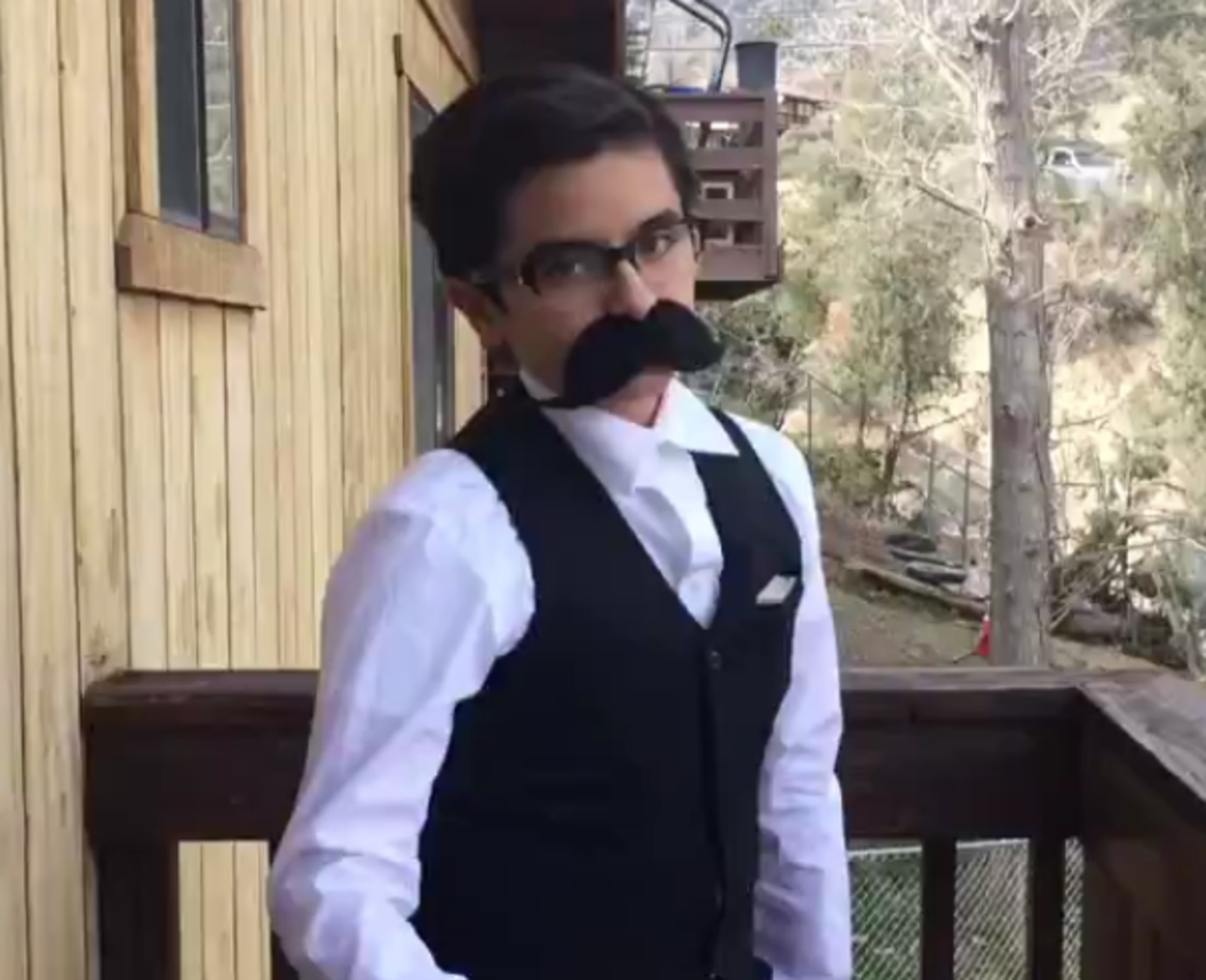
About this activity
Choose or make a simple prop (puppet, hat, or object) and use it to create and perform a short three-minute story for friends or family.
What you need
Step by step
- 1
Step 1
Choose whether your prop will be a puppet a hat or a simple object.
- 2
Step 2
Gather the materials you need from the list and bring them to your workspace.
- 3
Step 3
Make the basic shape of your prop (turn the sock into a puppet or cut and tape the paper plate into a hat or fold the paper into your object).
- 4
Step 4
Decorate your prop with colours decorations and simple features like eyes or a mouth.
- 5
Step 5
Give your prop a name and pick one clear personality trait for the character.
- 6
Step 6
Choose one place where your story happens like a forest a school or a spaceship.
- 7
Step 7
Pick one simple problem or goal your character will try to solve or reach.
- 8
Step 8
Write three short lines that show the beginning the middle and the end of your story.
- 9
Step 9
Practice telling the story out loud while using your prop to act the parts.
- 10
Step 10
Time your practice and slow down or speed up so the story lasts about three minutes.
- 11
Step 11
Perform your three-minute story for friends or family and then share your finished creation on DIY.org
Fun facts
How do I help my child use a puppet, hat, or object to perform a three-minute story?
Start by choosing or making a simple prop such as a puppet, hat, or favorite toy. Decide on a clear beginning, middle and end—introduce the character, add a small problem, and resolve it. Use short sentences and gestures to keep it lively. Rehearse for a few minutes and time to about three minutes. Set a comfy “stage” area, encourage audience reactions, and celebrate the performance afterward.
What materials do I need to make or choose a simple prop for a storytelling activity?
You’ll need one simple prop (puppet, hat, stuffed toy, or handmade object) plus basic craft supplies: paper, cardboard, glue, tape, scissors, markers, fabric scraps, and sticks or string for handles. Optional extras: costume pieces, small props for scenes, a flashlight for a ‘spotlight,’ and a simple background sheet. Choose non-toxic materials and age-appropriate tools; keep small parts away from toddlers.
What ages is this prop storytelling activity suitable for?
This activity suits ages roughly 3–14 with adaptations: ages 3–5 enjoy simple puppets and lots of adult help; 5–8 can choose or craft a prop, plan a very short story, and perform with minimal prompts; 8–11 build clearer plots and practice timing; 12–14 can write short scripts, add characters, or handle simple lighting and sound. Supervise younger children and adapt complexity to each child’s attention span.
What are the benefits of having my child use a prop to tell a short story?
Using a prop to tell a short story boosts creativity, vocabulary, and storytelling structure while building confidence performing in front of others. It promotes fine motor skills during prop-making, imaginative play, problem-solving as children create plots, and social skills through audience interaction and feedback. Regular practice improves memory, timing, and emotional expression. To keep it fun, let children lead choices and celebrate each performance, regardless of perfection.
Watch & Learn
Need help?
What can I use if I don't have a sock for a puppet or a paper plate for a hat?
Use a clean glove or a small paper bag to turn into a puppet, or fold and tape a sheet of cardstock or newspaper into a hat instead of cutting a paper plate.
My prop keeps falling apart or decorations won't stick—how do I fix that?
Reinforce weak spots by adding strong tape or hot glue, slide a cardboard insert into the paper-plate hat for shape, and sew or safety-pin the sock puppet opening so it fits your hand securely.
How can I adapt this prop-and-story activity for different age groups?
For preschoolers pre-cut shapes and make the story one-sentence beginning/middle/end, for elementary keep the three short lines and decorating steps, and for older kids add multi-scene plots, more detailed puppet movements, and timed three-minute practice runs.
How can we extend or personalize the story performance beyond the basic instructions?
Create a cardboard backdrop for the chosen place (forest, school, or spaceship), add simple sound effects or background music during practice, write the prop's name and trait on a nametag, and film the three-minute performance to share on DIY.org.