Throw and Catch Your Hoop
Make a lightweight hoop and practice throwing and catching it with a partner, learning coordination, aiming, and safe play techniques.


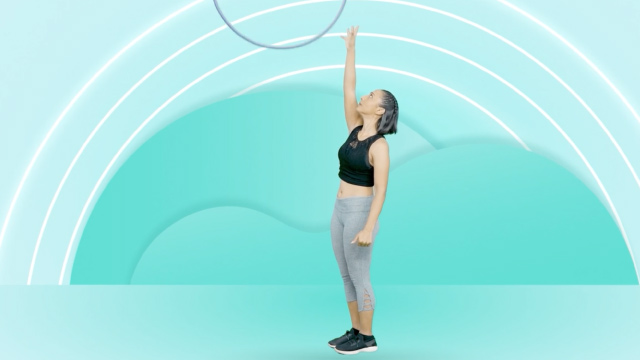

Step-by-step guide to Throw and Catch Your Hoop
Step 1
Pick a pool noodle and bring it to a clear table or floor spot where you can work.
Step 2
Use a measuring tape or ruler to mark the length for your hoop on the pool noodle (about 20 inches works well).
Step 3
With adult supervision cut the pool noodle at the mark to make the hoop ends meet.
Step 4
Bend the cut noodle ends together so they form a circle.
Step 5
Wrap duct tape around the joined ends to hold the circle shape firmly.
Step 6
Toss the hoop gently onto a soft surface to check it stays together.
Step 7
Add more duct tape to any loose spots if the hoop comes apart.
Step 8
Put on closed-toe shoes before you move to play.
Step 9
Walk to an open space with a partner and stand three paces apart from each other.
Step 10
Hold the hoop with two hands so the hoop is steady and ready to throw.
Step 11
Make one gentle underhand toss toward your partner aiming at chest height.
Step 12
Have your partner catch by cupping their hands and pulling the hoop in close to their chest.
Step 13
After five successful catches increase the distance between you by one pace and keep practicing.
Step 14
Switch roles with your partner so both of you practice throwing and catching.
Step 15
Share a photo or description of your finished hoop and your practice on DIY.org
Help!?
What can we use instead of a pool noodle if we can't find one?
If you don't have a pool noodle, use a rolled-up strip of foam from a yoga mat or a flexible cardboard tube cut to about 20 inches and join the ends with duct tape as in step 5.
The hoop falls apart when we toss it—how do we fix it?
If the hoop comes apart when you toss it (step 7), press the cut ends together, wrap several overlapping layers of duct tape around the joint (step 5), and retest by tossing onto a soft surface (step 7).
How can we adapt the activity for younger or older kids?
For younger children have an adult do the cutting (step 3), start one pace apart with gentle underhand tosses (steps 11–12), and for older kids keep the three-pace start and increase the distance by a pace after five catches or try single-hand throws (steps 11–12).
How can we personalize or extend the hoop and game?
Personalize your hoop by wrapping it with colorful patterned duct tape and adding ribbon streamers taped on before practicing throws and sharing a photo on DIY.org (steps 5 and 13).
Watch videos on how to Throw and Catch Your Hoop
Teaching Underhand Throwing and Catching Skills in #Physed |Cues and Station Activities|
4 Videos
Teaching Underhand Throwing and Catching Skills in #Physed |Cues and Station Activities|
Throwing & Catching PE & Sport Skills - How to teach the fundamentals: Kindy-Grade 2's
Throwing & Catching lesson - skills for Early years & KS1
Overarm throws (grade K-3) | Throwing & catching › Teaching Fundamentals of PE
Facts about throwing and catching games for kids
🌀 Wham‑O popularized the plastic hula hoop in 1958, starting a worldwide craze — great inspiration for making your own hoop!
🥏 The name "Frisbee" comes from the Frisbie Pie Company; students tossed pie tins long before plastic flying discs existed.
👀 Practicing throw-and-catch games boosts hand–eye coordination — even short, regular practice can speed up reaction times.
🤝 Partner play builds teamwork and timing; using a soft, lightweight hoop makes practice safer and more fun.
🎯 Beginners have more success with underhand, arcing throws because they give the catcher extra time to track the hoop.
How do you play Throw and Catch Your Hoop?
What materials do I need to make a lightweight hoop for the activity?
What ages is Throw and Catch Your Hoop suitable for?
What safety tips should parents follow when kids play Throw and Catch Your Hoop?
