Take a photo using rule of thirds
Use a camera or phone grid to take photos applying the rule of thirds, placing subjects on grid lines to practice composition and compare results.
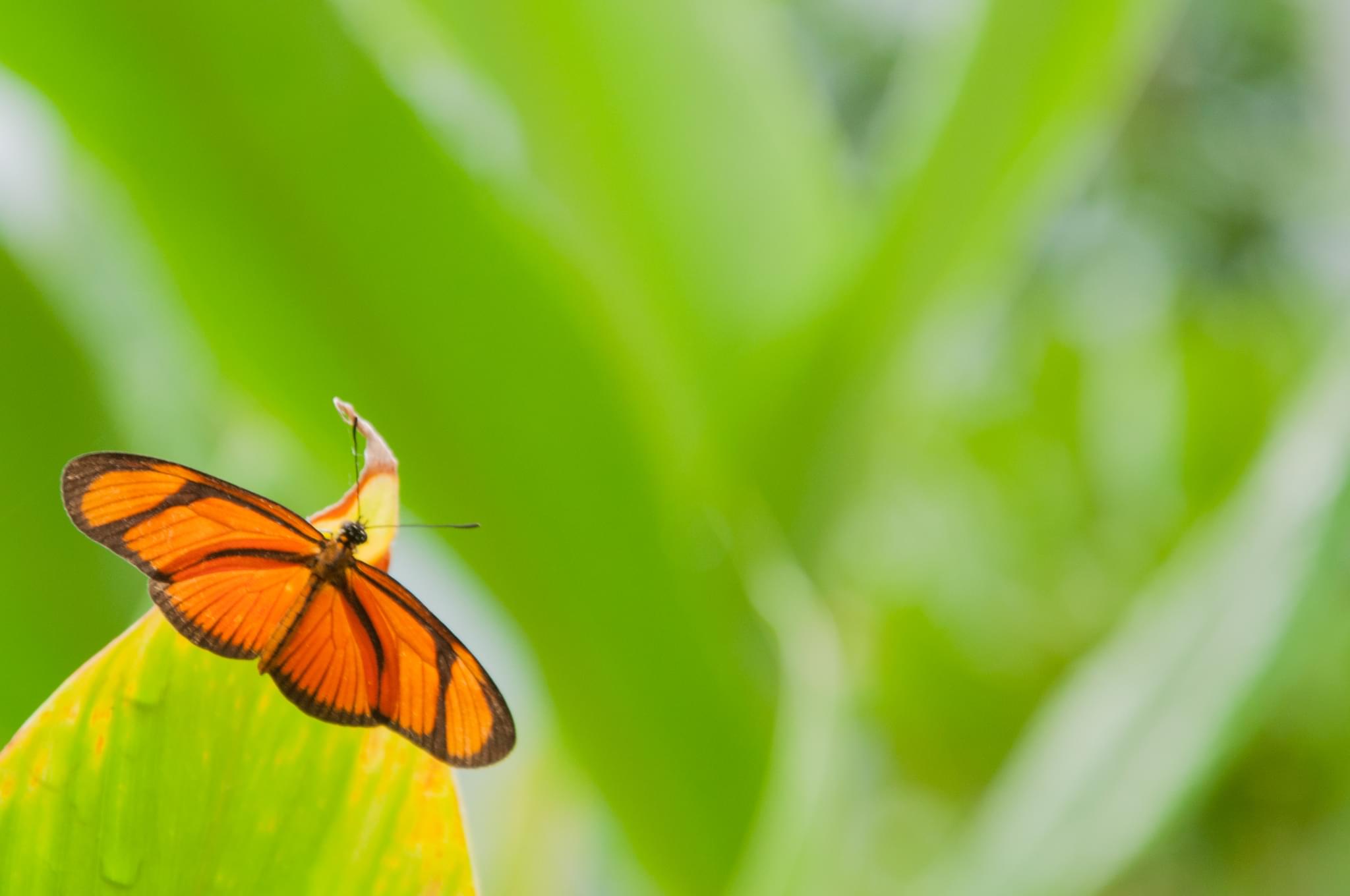
About this activity
Use a camera or phone grid to take photos applying the rule of thirds, placing subjects on grid lines to practice composition and compare results.
What you need
Step by step
- 1
Step 1
Turn on the camera grid in your phone or camera settings so you see two horizontal and two vertical lines.
- 2
Step 2
Pick a plain background like a wall or a sheet and stand your subject in front of it.
- 3
Step 3
Place your subject roughly along the left vertical grid line.
- 4
Step 4
Move closer or farther until the subject and some background fit nicely inside the frame.
- 5
Step 5
Tap the shutter button to take a photo.
- 6
Step 6
Move your subject to the center of the frame.
- 7
Step 7
Tap the shutter button to take a second photo.
- 8
Step 8
Move your subject to the right vertical grid line.
- 9
Step 9
Tap the shutter button to take a third photo.
- 10
Step 10
Place your subject at one of the grid intersections (where a vertical and horizontal line cross).
- 11
Step 11
Tap the shutter button to take a fourth photo.
- 12
Step 12
Look at all four photos on your screen.
- 13
Step 13
Write one sentence in your notebook about which photo you like best and why.
- 14
Step 14
Share your favorite photo on DIY.org.
Fun facts
How do I teach my child to take a photo using the rule of thirds?
Turn on the camera grid, explain the frame is split into thirds both ways, and ask your child to place the main subject on one of the four intersection points or along a grid line. Encourage them to try different positions, move closer or farther, and take several shots. Compare photos side-by-side, talk about which feels more balanced, and celebrate discoveries to build confidence and observational skills.
What materials or equipment do we need to practice rule of thirds photography?
You only need a camera or smartphone with a grid feature enabled. Optional items: a lightweight tripod or phone holder for steadiness, small toys or props for subjects, a simple backdrop, and good natural light or a lamp. A printed grid or drawing can help younger kids understand lines. No fancy gear required—clear light and a willing subject make the best practice tools.
What ages is rule of thirds photography suitable for children?
Children as young as 4–5 can grasp basic placement by pointing a camera with guidance; ages 6–10 enjoy experimenting with composition and comparing results. Tweens and teens can refine framing, lighting and storytelling. Adjust complexity and supervision: preschoolers need hands-on help, school-age kids benefit from short challenges, and older kids can try deliberate experiments and editing to deepen learning.
What are safe tips and fun variations for practicing the rule of thirds with kids?
Keep safety first: supervise near roads, water, or uneven ground, use wrist straps, and set clear boundaries. For variations, try placing the horizon on a lower or upper third, shoot silhouettes at sunset, focus on a pet on an intersection, or use negative space for drama. Benefits include improved observation, patience and creative thinking—make it a game with before/after comparisons to keep it engaging.
Watch & Learn
Need help?
What can I use if my phone or camera doesn't show a grid or I don't have a plain sheet background?
If your device lacks a grid, install a free camera-grid app or print a grid to hold as a guide, and if you don't have a plain sheet use a blank wall, poster board, or solid-colored blanket as the background.
My photos keep coming out blurry or the subject isn't lining up on the grid—how can I fix that?
Tap the screen to focus on your subject before you tap the shutter, hold the phone steady or use a small tripod or table for support, and move yourself until the subject aligns with the left/center/right grid lines in the steps.
How can I adapt this rule-of-thirds activity for younger kids or make it more challenging for older kids?
For younger children let a parent hold or place a favorite toy on the left/center/right grid lines and help write the one-sentence note, while older kids can try different backgrounds, change focal length, take extra variations, and write a paragraph analyzing which composition works best.
How can we extend or personalize the photos after taking the four shots and writing our sentence?
Create a four-photo collage labeling each position (left, center, right, intersection), add the notebook sentence as a caption, experiment with props or color edits, and upload your favorite to DIY.org.