Speak your invented language
Invent a simple language, create vocabulary and grammar rules, design a basic alphabet or symbols, then practice speaking short phrases with friends.


Step-by-step guide to speak your invented language
Language: The First 5 Years of Life of Learning
Step 1
Pick a fun name for your invented language and write it at the top of your paper.
Step 2
Choose a theme or feeling for your language like ocean robot space or jungle and write that under the name.
Step 3
Pick five sounds your language will use and write them down (for example three consonant sounds and two vowel sounds).
Step 4
Decide the basic word order rule for sentences like Subject-Verb-Object or Subject-Object-Verb and note it on your paper.
Step 5
Create one simple rule for making plurals (for example add a little sound or a symbol) and write the rule down.
Step 6
Create one simple rule for past tense (for example add a small mark or change the ending) and write the rule down.
Step 7
Invent ten new vocabulary words for everyday things and write each new word with its English meaning beside it.
Step 8
Draw a basic alphabet or set of symbols for your five sounds and label which sound each symbol makes.
Step 9
Write a quick pronunciation guide with a short example for each symbol or word so others know how to say them.
Step 10
Translate five short English phrases (for example hello my name is thank you I like this) into your new language and write them down.
Step 11
Practice saying those five phrases out loud with a friend or family member three times each.
Step 12
Take a photo or write a description of your finished language poster and share your creation on DIY.org
Help!?
What can we use if we don't have paper or markers to "write it at the top of your paper" and draw the alphabet?
If you don't have paper or markers, use a piece of cardboard, index cards, or a tablet drawing app to write your language name at the top and draw symbols with a pencil, crayon, or stylus.
My symbols and pronunciation guide are confusing and friends can't say the words—how can I fix the problems from the steps "Draw a basic alphabet" and "Write a quick pronunciation guide"?
Simplify each symbol to a basic shape, label it with a familiar letter or phonetic hint in your pronunciation guide, and make a short audio clip while you 'practice saying those five phrases out loud' so friends can hear exactly how to say them.
How can I change the activity for younger kids or make it harder for older kids while still doing steps like choosing sounds, inventing vocabulary, and translating five phrases?
For younger kids, reduce to three sounds, five vocabulary words, big drawn symbols and one practice round with a parent, while older kids can create more complex grammar (exceptions to the plural and past-tense rules), invent 20 words, write a short story using the five-phrase translations, and record a performance for DIY.org.
What are simple ways to extend or personalize the finished language poster before you "take a photo or write a description of your finished language poster and share"?
Turn your ten vocabulary words into flashcards, make a short song or comic using the five translated phrases, decorate the poster to match your chosen theme, and include a labeled photo or audio file when you share on DIY.org.
Watch videos on how to speak your invented language
How languages evolve - Alex Gendler
3 Videos
How languages evolve - Alex Gendler
The Origins Of Language

What Are Some Examples Of Invented Spelling? - Childhood Education Zone
Facts about creating invented languages
🧩 Thousands of people create "conlangs" (constructed languages) for books, movies, and games — it's a popular hobby!
🌍 Esperanto was invented in 1887 to be an easy international language and still has active speakers around the world.
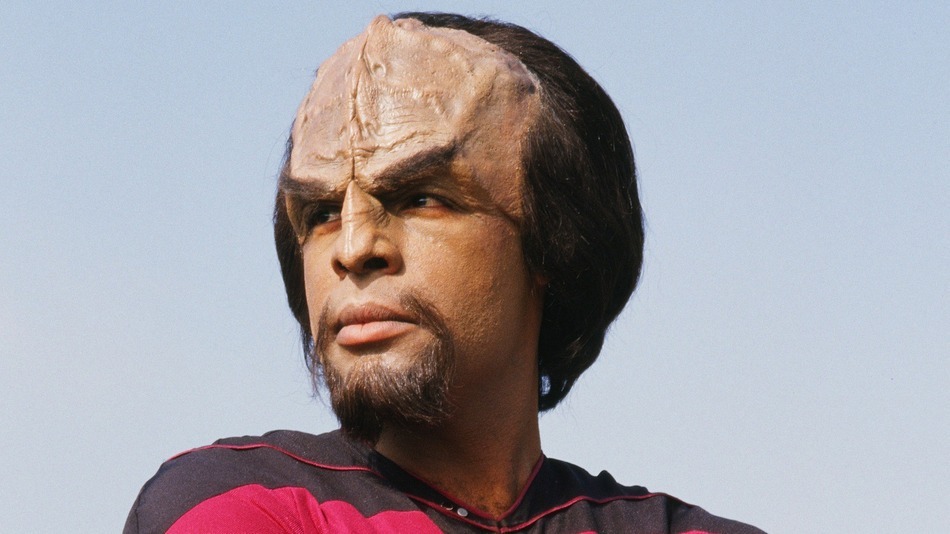
🚀 Klingon from Star Trek has a published dictionary and has even been taught in university courses.
✨ J.R.R. Tolkien built full languages like Quenya with grammar, vocabulary, and unique alphabets for his stories.
🔐 Language games like Pig Latin or secret codes change sounds or letters — inventing rules is the best part!
How do you create and practice an invented language with kids?
What materials do I need to invent a kid-friendly language?
What ages is inventing a language suitable for?
What are the benefits of making and speaking a made-up language?
