Sing and Beatbox Together
Learn basic beatboxing patterns and simple melodies, practice singing while adding beatbox sounds, and perform a short group song combining both skills.
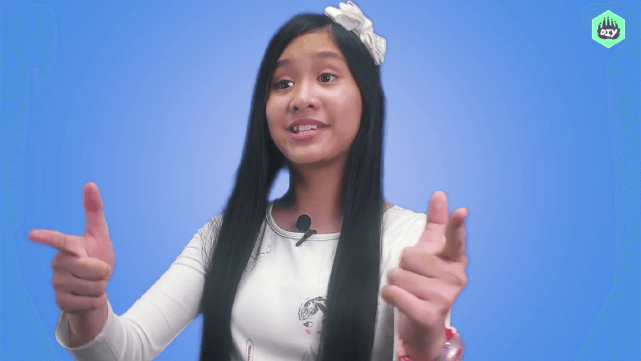
About this activity
Learn basic beatboxing patterns and simple melodies, practice singing while adding beatbox sounds, and perform a short group song combining both skills.
What you need
Step by step
- 1
Step 1
Gather your group and stand in a circle in a clear space.
- 2
Step 2
Place a mirror where you can see your mouth while you practice.
- 3
Step 3
Do lip trills and hum for 30 seconds to warm up your voice and mouth.
- 4
Step 4
Make the kick drum "B" sound by closing your lips and pushing a quick burst of air so they pop.
- 5
Step 5
Make the hi-hat "ts" sound by placing your tongue near your teeth and blowing a short "tss."
- 6
Step 6
Make the snare "pff" sound by starting with a soft "p" and finishing with an "f" hiss.
- 7
Step 7
Set the metronome to a slow steady beat like 60 BPM.
- 8
Step 8
Practice the beatbox loop "B ts pff ts" with one sound on each metronome beat for eight measures.
- 9
Step 9
Choose a short simple melody to sing like "Twinkle Twinkle" or a line you already know.
- 10
Step 10
Sing the melody along with the metronome until your timing feels steady.
- 11
Step 11
Sing the melody while adding the hi-hat "ts" on each beat to build coordination.
- 12
Step 12
Assign roles so some people keep beatboxing the full loop and others sing the melody.
- 13
Step 13
Rehearse the group song from start to finish three times while everyone keeps a steady beat.
- 14
Step 14
Perform the song for your family or friends.
- 15
Step 15
Share your finished creation on DIY.org.
Fun facts
How do I teach my child to sing and beatbox together?
Start by teaching basic beatbox sounds: kick (b), hi‑hat (t), and snare (p/k). Practice each slowly, then create a simple 4‑beat pattern. Teach a short melody or lyric separately. Once comfortable, have kids sing the melody while one or two add beatbox patterns. Use call‑and‑response, slow tempo, and repeat sections. Finish with a short group performance, emphasizing breathing, relaxed posture, and having fun.
What materials do I need for Sing and Beatbox Together?
No special materials are required—this activity uses voices and mouths. Optional helpful items: a metronome or rhythm app to keep steady tempo, simple percussion (shaker or tambourine) for variation, lyric sheets, a small speaker for backing tracks, water for hydration, and a phone or recorder to capture practices. A mirror helps children watch mouth shapes. Comfortable seating and a cleared space for movement are useful extras.
What ages is Sing and Beatbox Together suitable for?
This activity fits children roughly ages 5 and up. Younger preschoolers (3–4) can join with simplified clapping, stomping, or echo singing instead of beatboxing. Ages 5–8 can learn basic sounds and simple melodies. Ages 9–14 can combine more complex beatbox patterns and harmony. Teens can arrange and lead group performances. Always adapt pace to attention span and supervise younger kids to avoid vocal strain.
What are the benefits of singing and beatboxing together?
Sing‑and‑beatbox sessions build rhythm, listening skills, breath control, and vocal coordination. They strengthen memory and pitch recognition through melodies, while beatbox practice improves timing and motor control. Group performances boost confidence, cooperation, and communication. This combined activity also supports language development and creative expression. Keep sessions short and playful to maintain engagement and celebrate small achievements to encourage ongoing practice.
Watch & Learn
Need help?
What can we use instead of a mirror or metronome if we don't have them?
Use a smartphone metronome app set to 60 BPM and the phone's front camera, a reflective window, or a piece of foil as a mirror so you can still watch your mouth while practicing lip trills and the 'B ts pff ts' loop.
I'm having trouble making the 'pff' snare or the 'B' kick sound—how can we fix that?
Go back to the lip trills and 30‑second hum warm-up, slow the metronome below 60 BPM, and practice the isolated 'B' pop and the 'pff' hiss until you can produce them cleanly on each beat of the 'B ts pff ts' loop.
How can we adapt this activity for younger kids or older kids?
For younger children, replace beatbox sounds with claps or knee taps and keep the metronome slow and the melodies very short, while older kids can add harmony parts, raise the BPM, or assign complex roles when rehearsing the full song three times.
How can we make our performance more creative or shareable?
Write new lyrics to your chosen melody, add a simple choreography for the performance, record a multitrack version that layers the 'B ts pff ts' loop with vocals, and then share the finished creation on DIY.org.