Shoot a makeup tutorial
Create a simple camera friendly face paint look using safe washable paints, then record a short step by step makeup tutorial to practice filming skills.
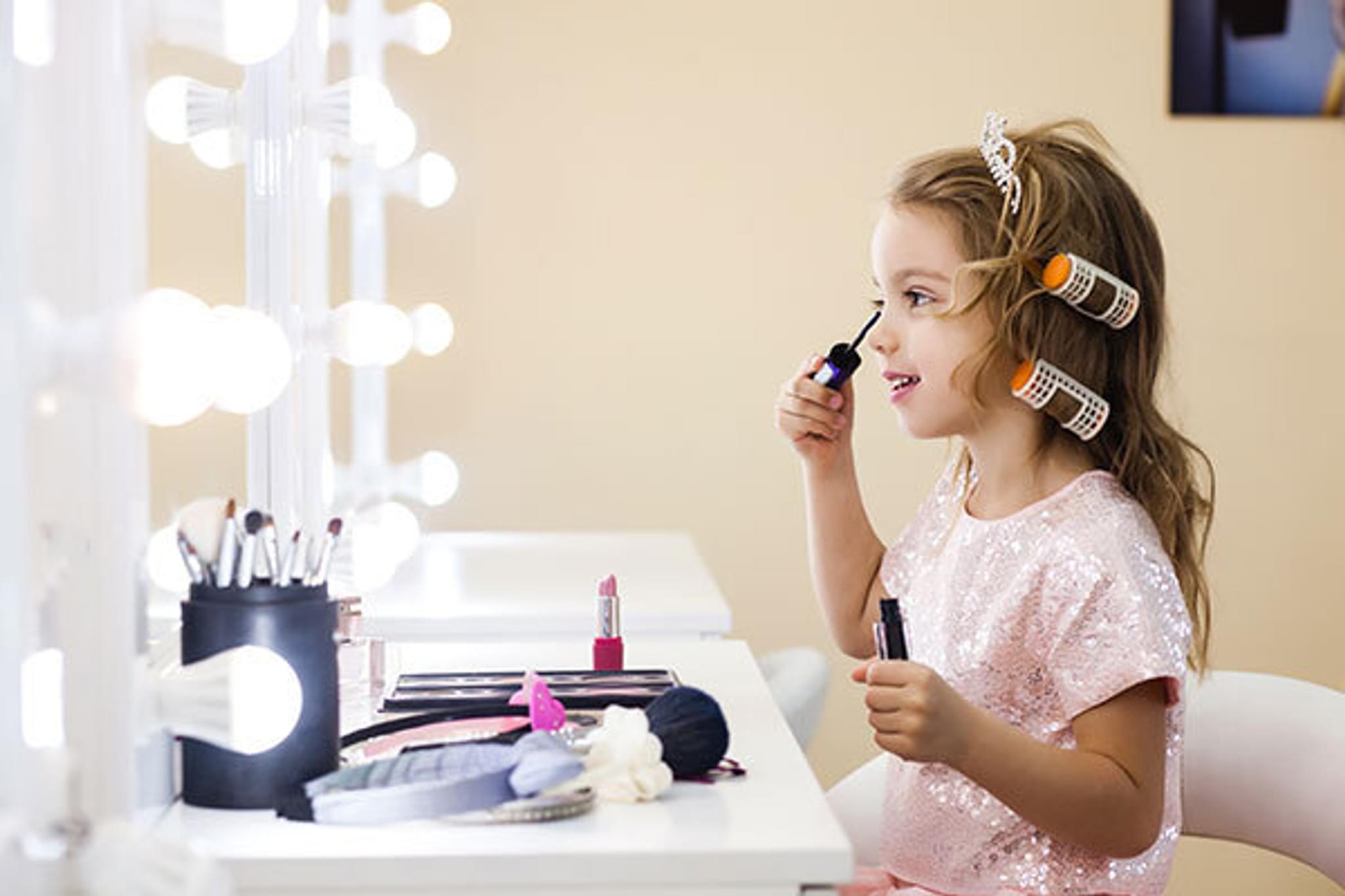
About this activity
Create a simple camera friendly face paint look using safe washable paints, then record a short step by step makeup tutorial to practice filming skills.
What you need
Step by step
- 1
Step 1
Wash your hands with soap and water so your paints and face stay clean.
- 2
Step 2
Put on the headband or tie your hair back so your face is clear.
- 3
Step 3
Lay the towel down and place the mirror where you can see your whole face.
- 4
Step 4
Pick a simple camera-friendly design like a small heart star or animal mask and draw it once on paper to practice.
- 5
Step 5
Choose two or three paint colors and set your brushes or sponges nearby.
- 6
Step 6
Put a tiny dot of each paint on the back of your hand and test the colors.
- 7
Step 7
Use a sponge or brush to apply the light base shape of your design onto your face.
- 8
Step 8
Add one or two detail lines or dots with a smaller brush to finish the design.
- 9
Step 9
Gently wipe any mistakes with a face wipe and pat the area dry with the towel.
- 10
Step 10
Move to a plain wall or cloth background and make sure the lighting shows your face clearly.
- 11
Step 11
Press record on your camera and say your name and the name of the look to introduce your tutorial.
- 12
Step 12
Explain each step slowly to the camera while pointing to or showing the finished areas on your face.
- 13
Step 13
Stop the recording and save your video file.
- 14
Step 14
Share your finished face-paint look and tutorial on DIY.org
Fun facts
How do I help my child create and film a simple, camera-friendly face paint tutorial?
Start by choosing a simple, camera-friendly design (butterfly, superhero mask, or star). Set up a clean workspace with soft natural light and a plain background. Prepare skin with a gentle wipe and use safe, washable face paints. Film step-by-step: intro, show materials, demonstrate each short step while narrating, keep the camera steady (use a tripod), capture close-ups for details, and end with removal instructions. Keep the final clip 1–3 minutes to hold children’s attention.
What materials do I need to shoot a kid-friendly face paint tutorial?
You’ll need water-based, hypoallergenic washable face paints, soft brushes and sponges, small cups of water, paper towels, gentle cleanser or wipes, and aprons or towels to protect clothes. For filming: a smartphone or camera, tripod or stable surface, soft lighting (window or lamp), a plain backdrop, and a simple editing app. Optional items: a mirror, small props, non-latex gloves for adults, and a basic first-aid kit. Always check ingredient labels and do a patch test first.
What ages is this face paint and filming activity suitable for?
Suitable for ages 4–12 with supervision: preschoolers (4–5) can enjoy simple color dabs and wearing the finished look with close adult help. Elementary kids (6–9) can follow steps, assist with basic painting, and practice short narrations. Tweens (10–12+) can plan, apply most of the design, and manage filming and simple edits independently. Always supervise near eyes or mouth and adapt tasks to each child’s fine-motor skills and attention span.
What are the safety tips and benefits of filming a kid-friendly face paint tutorial?
Safety: use certified, water-based, hypoallergenic paints; do a patch test 24 hours before; avoid eyelids and lips; keep wipes and clean water nearby; supervise every step and clean brushes between colors. Benefits: builds creativity, fine-motor skills, confidence, storytelling and basic filming/editing skills. It also teaches planning, sequencing, and public speaking in a playful, low-pressure setting while giving kids a safe chance to practice on-camera presence.
Watch & Learn
Need help?
What can we use if we don't have face paint, a small sponge, or a mirror?
Use non-toxic washable tempera or water-based body paint safe for skin as face paint, a clean kitchen sponge or cotton ball instead of a small makeup sponge or brush, and your phone's front-facing camera as a mirror while following the step to 'put a tiny dot of each paint on the back of your hand and test the colors'.
What should we do if the paint smudges, is too dark, or the design doesn't look right on camera?
Gently wipe mistakes with a face wipe and pat dry with the towel (step 9), let the light base shape dry before adding detail lines (step 7), dilute paint or test more on the back of your hand (step 5) to fix darkness, and check lighting against the plain wall background (step 11) so the camera records the design clearly.
How can we adapt the tutorial for different ages or skill levels?
For younger kids pick a very simple camera-friendly design, limit to two colors and have an adult help with 'Wash your hands' and 'Put on the headband' and with pressing record, while older kids can follow the 'draw it once on paper' practice, add extra detail lines, and explain each step slowly to camera.
How can we extend or personalize the face-paint tutorial to make it more creative or shareable?
Add skin-safe cosmetic glitter or small costume props, change the plain wall or cloth background for a themed look (step 11), record a short intro and outro when you 'say your name and the name of the look' (step 12), and then save and share your finished face-paint look on DIY.org (step 14).