Share a unique family tradition
Interview family members about a unique tradition, collect photos or drawings, then create a colorful poster or short story to share with others.


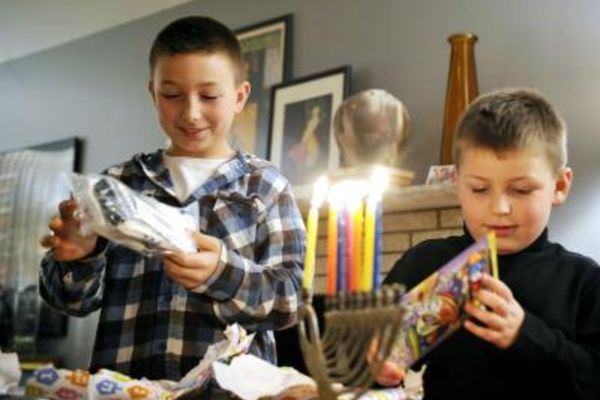

Step-by-step guide to share a unique family tradition
Christmas Tree Decorating - Classic Traditional Family Christmas Tree - Decorate With Me - Tutorial
Step 1
Pick one special family tradition you want to explore and share.
Step 2
Make a short list of family members who know about that tradition.
Step 3
Write five simple interview questions about the tradition on your paper.
Step 4
Ask each person on your list for permission to interview them and to use any photos or drawings they give you.
Step 5
Interview one family member at a time and write down their answers clearly.
Step 6
Ask family members for any photos or ask them to draw a picture about the tradition and collect those items.
Step 7
Lay your notes and pictures out on a table and sort them into groups that belong together.
Step 8
Decide whether you will make a colorful poster or write a short story about the tradition.
Step 9
Plan where each note and picture will go on your poster or in your story outline.
Step 10
Create your poster or write your short story using your paper pencil colouring materials glue or tape and the photos or drawings.
Step 11
Add a clear title and short captions that explain each photo drawing or part of your story.
Step 12
Show your finished work to a family member to get feedback.
Step 13
Share your finished creation on DIY.org
Help!?
What can we use if we don't have glue, tape, or colouring materials?
If you don't have glue or tape, fasten photos and drawings with a stapler, paper clips, or folded paper tabs, and replace colouring materials with crayons, markers, or coloured paper when you make your poster or short story.
What should we do if a family member refuses to be interviewed or share photos?
If someone says no, note them on your family list, ask permission to paraphrase what you remember from interactions, and use your own drawings or ask other listed family members for photos to complete your layout and captions.
How can I adapt this activity for younger children or older kids?
For preschoolers, do one short interview, collect a single drawing or photo, and make a simple poster with a big title and two captions, while older kids can keep five interview questions, sort notes and pictures into groups, create a detailed story outline or poster, and include quotes and feedback before sharing on DIY.org.
How can we make the poster or story more special or long-lasting?
Enhance the project by scanning photos or laminating the poster, adding a family timeline or recipe in your short story, and including captions with direct quotes plus the feedback you got before sharing on DIY.org.
Watch videos on how to share a unique family tradition
Top 8 DIY Christmas Crafts 🎅 Unique & Fun Holiday Decor Ideas!
3 Videos

Top 8 DIY Christmas Crafts 🎅 Unique & Fun Holiday Decor Ideas!

25 Stunning DIY Christmas Decorations You Can Make at Home

15 AMAZING FAMILY CHRISTMAS TRADITIONS TO TRY | MEMORABLE CHRISTMAS TRADITIONS
Facts about family traditions and oral history
🎙️ Oral histories preserve voices and memories — many museums and libraries collect recorded family stories to keep them safe.
📸 Family photo albums became popular in the 1800s after photography made it easier for everyday people to save pictures.
📚 Storytelling was how people taught kids recipes, rules, and values long before most societies had written records.
🧭 Genealogy can reveal surprising connections — some family trees stretch back many generations using records and stories.
🌍 Traditions come in every size — from a secret family handshake to big yearly feasts, they all help people feel connected.
How to do the activity
Materials needed
Suitable age groups
Benefits of the activity
