Set up an aquarium
Set up a small freshwater aquarium using a tank, gravel, plants, filter, and thermometer; learn about water cycling, habitat care, and responsible fishkeeping.


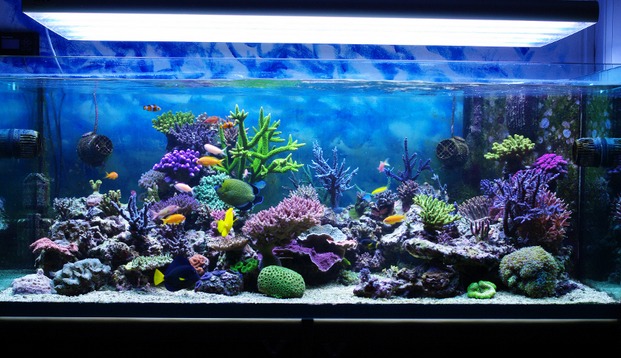

Step-by-step guide to set up a small freshwater aquarium
Aquarium Adventure for Kids | Learn Sea Animals & Fish at the Aquarium! 🐠
Step 1
Choose a stable level spot near an electrical outlet and away from direct sunlight.
Step 2
Rinse the empty tank with plain water and set it on the chosen spot.
Step 3
Rinse the gravel in a bucket until the rinse water runs mostly clear.
Step 4
Spread the rinsed gravel evenly across the bottom of the tank to about two inches deep.
Step 5
Plant the live or artificial plants into the gravel and press them gently to anchor them.
Step 6
Mount the aquarium filter inside the tank following the filter instructions.
Step 7
Place the thermometer in the tank where it is submerged and easy to read.
Step 8
Fill a clean bucket with tap water and add the correct dose of water conditioner from the bottle.
Step 9
Slowly pour the treated water into the tank so you do not disturb the plants and gravel.
Step 10
Plug in and start the filter so water begins to circulate through the tank.
Step 11
Begin a fishless nitrogen cycle by adding a very small pinch of fish food to the tank once a day.
Step 12
Use the water test kit every day to measure ammonia nitrite nitrate and pH and watch how the numbers change.
Step 13
When ammonia and nitrite read zero and nitrate is present ask an adult to help you choose compatible small fish.
Step 14
With an adult add only a few small fish and feed them a small amount according to the food instructions.
Step 15
Share your finished aquarium and what you learned about cycling and care on DIY.org.
Help!?
What can I use if I can't find the aquarium filter or water test kit listed in the instructions?
If you can't find the mounted filter from step 6, use a sponge filter or air-driven filter and secure it inside the tank per its instructions, and if you lack a test kit bring a water sample to a pet store or use test strips to check ammonia, nitrite, nitrate, and pH for the daily measurements in step 11.
My tank water is still cloudy after filling — what should I check or do?
If water is cloudy after step 8, recheck that you rinsed the gravel until clear in step 3, pour treated water slowly as in step 8 to avoid disturbing gravel, run the filter from step 10 to clear dust, and wait a day for fine particles to settle or use a filter sponge to trap them.
How can I adapt this aquarium setup for different ages of kids?
For younger children, focus on safe tasks like rinsing gravel (step 3), planting artificial plants (step 5), and pouring treated water (step 8) with adult supervision, while older kids can mount and start the filter (step 6 and 10), perform daily test kit readings (step 11), and manage the fishless cycle (step 12).
What are some ways to extend or personalize the aquarium project once it's set up?
Personalize the tank by adding safe decorations and an LED light with the plants in step 5, keep a daily photo and water test log from step 11 to document the nitrogen cycle, and share your progress on DIY.org as described in the final step.
Watch videos on how to set up a small freshwater aquarium
Let's Explore Fish Habitats for Kindergarten | EYFS
4 Videos
Let's Explore Fish Habitats for Kindergarten | EYFS
Let's Explore the Aquarium for Kindergarten | EYFS
Fish for Kids
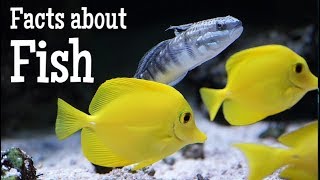
Facts about Fish for Kids
Facts about aquarium care and fishkeeping for kids
🐠 A 10-gallon aquarium is a common beginner size and can comfortably house a few small fish like guppies or a betta with proper care.
🌿 Live aquarium plants absorb nitrates and can help keep water cleaner between changes.
🔁 The aquarium nitrogen cycle converts toxic ammonia into nitrite and then into less harmful nitrate — establishing it can take 4–6 weeks.
🌡️ Most tropical freshwater fish prefer water around 74–80°F (23–27°C), so a heater and thermometer help keep them happy.
🧼 Rinsing filter media in tap water or scrubbing gravel too hard can remove beneficial bacteria — always use tank water for gentle cleaning.
How do I set up a small freshwater aquarium so my child can learn about water cycling and fishkeeping?
What materials do I need to set up a child-friendly freshwater aquarium?
What ages is setting up an aquarium suitable for and how much supervision is needed?
What are the benefits and safety tips for doing this aquarium activity with children?
