Screen print a design
Make a simple screen print design on fabric using cardboard frames, mesh, paint, and stencils. Learn stenciling, alignment, and color layering.
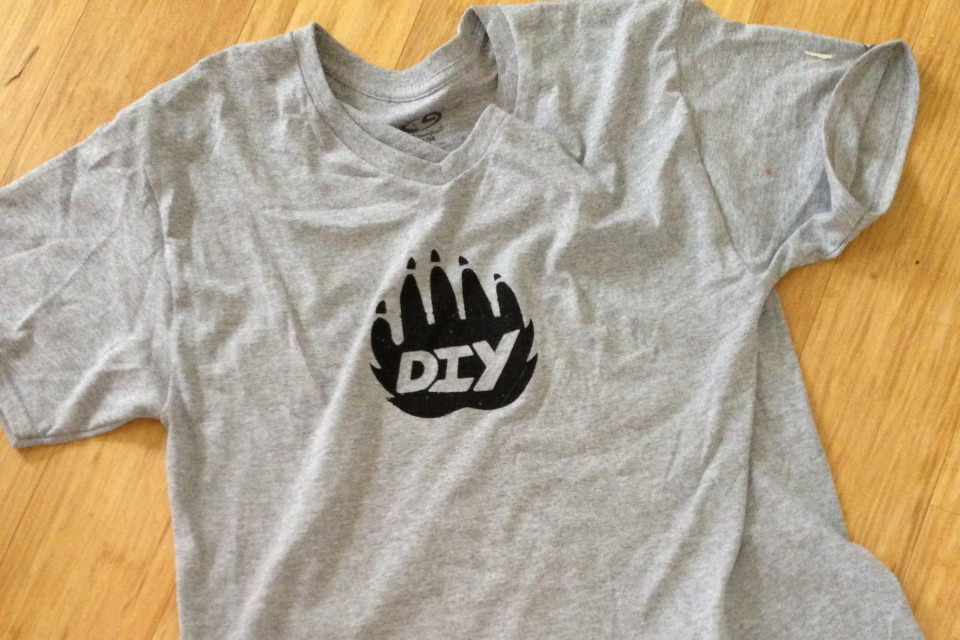
About this activity
Make a simple screen print design on fabric using cardboard frames, mesh, paint, and stencils. Learn stenciling, alignment, and color layering.
What you need
Step by step
- 1
Step 1
Lay the protective covering on your work table to keep it clean.
- 2
Step 2
Slide the scrap cardboard inside the fabric item to stop paint from soaking through.
- 3
Step 3
Draw a rectangle on a piece of cardboard about the size of your design.
- 4
Step 4
Cut out the inside of the rectangle to make a cardboard frame.
- 5
Step 5
Make two small pencil registration marks on two sides of the cardboard frame.
- 6
Step 6
Stretch the mesh over the frame opening and tape it tightly to the back of the cardboard.
- 7
Step 7
Place your stencil on the fabric where you want the design to be printed.
- 8
Step 8
Make two matching pencil registration marks on the fabric next to the stencil.
- 9
Step 9
Align the frame registration marks with the fabric marks and tape the frame to the fabric so it won’t move.
- 10
Step 10
Put a small amount of fabric paint onto a plate or palette.
- 11
Step 11
Lightly dab your sponge or roller into the paint to pick up a thin even amount.
- 12
Step 12
Dab or roll the sponge across the mesh above the stencil using short even strokes until the stencil shape is filled with paint.
- 13
Step 13
Carefully lift the frame and stencil straight up to reveal your print.
- 14
Step 14
Let the print dry completely before adding more colors or touching the fabric.
- 15
Step 15
Share a photo of your finished screen print creation on DIY.org.
Fun facts
How do you make a simple screen print design on fabric at home?
To make a simple screen print, build a cardboard frame and stretch mesh (nylon tulle or window screen) tightly across it, securing with tape or staples. Lay fabric flat and position a stencil, marking small registration points for alignment. Place the framed mesh over the stencil, add a bead of fabric paint at one edge, then pull across with a squeegee or old credit card. For layered colors, let each layer dry, realign using marks, and repeat. Clean the mesh promptly.
What materials do I need to screen print with cardboard frames and stencils?
You’ll need cardboard for a frame, mesh (nylon tulle or fine window screen), fabric or textile paint (or acrylic with fabric medium), pre-cut stencils or cardstock to cut your own, an X-Acto or craft knife, painter’s tape or staples, a squeegee or old credit card, a flat fabric surface, scrap paper or cardboard for protection, gloves and wet wipes for cleanup, and a drying rack or clothesline.
What ages is simple screen printing suitable for?
With close adult supervision, preschoolers (3–5) can join simple stamping steps, but children aged 6–8 begin to manage stencils and paint pulling with help. Ages 9–12 can handle alignment, layering, and cutting basic stencils more independently. Teens can create complex multi-color designs and refine registration. Always supervise sharp tools, sticky adhesives, and paints; adjust involvement to skill and attention span.
What are the benefits of screen printing for kids and safety tips?
Screen printing develops fine motor skills, planning for registration and color layering, creativity, and patience. It’s a great way to learn color mixing and repeat patterns. For safety, use non-toxic fabric paints, work in a well-ventilated area, supervise cutting tools and stapling, protect surfaces, and have kids wear aprons or gloves. Encourage cleaning the mesh promptly to prolong materials and teach responsibility.
Watch & Learn
Need help?
What can we use instead of the mesh, fabric paint, or a sponge/roller if we can't find them?
If you don't have screen mesh, stretch a clean nylon stocking or lightweight tulle over the cardboard frame and tape it to the back, and if you lack fabric paint use acrylic mixed with textile medium or fabric markers, while a folded kitchen sponge or foam brush can replace the roller.
My print has paint under the stencil and looks blurry—what should I check?
Check that the mesh is taped tightly to the cardboard frame, the frame is firmly taped to the fabric aligned with the registration marks, the scrap cardboard is inside the fabric to stop soak-through, and you are dabbing a thin even amount of paint on the sponge or roller.
How can we adapt this project for younger or older kids?
For younger children, have an adult pre-cut the cardboard frame and stencil and do the taping and registration marks while the child dabs paint in step 10, and for older kids let them cut the frame, design complex stencils, and create multi-color prints by repeating the aligning and printing steps.
How can we make our screen prints more creative or long-lasting?
To personalize and improve the outcome, layer more colors by letting each print dry completely (step 13) before repeating with new stencils, add details with fabric markers or glitter paint, and heat-set the fabric paint per its instructions before sharing your photo on DIY.org.