Paint Something Wonderful With Water Colors
Create a colorful watercolor painting of a favorite scene or creature, learning color mixing, brush techniques, and layering to make vibrant effects.


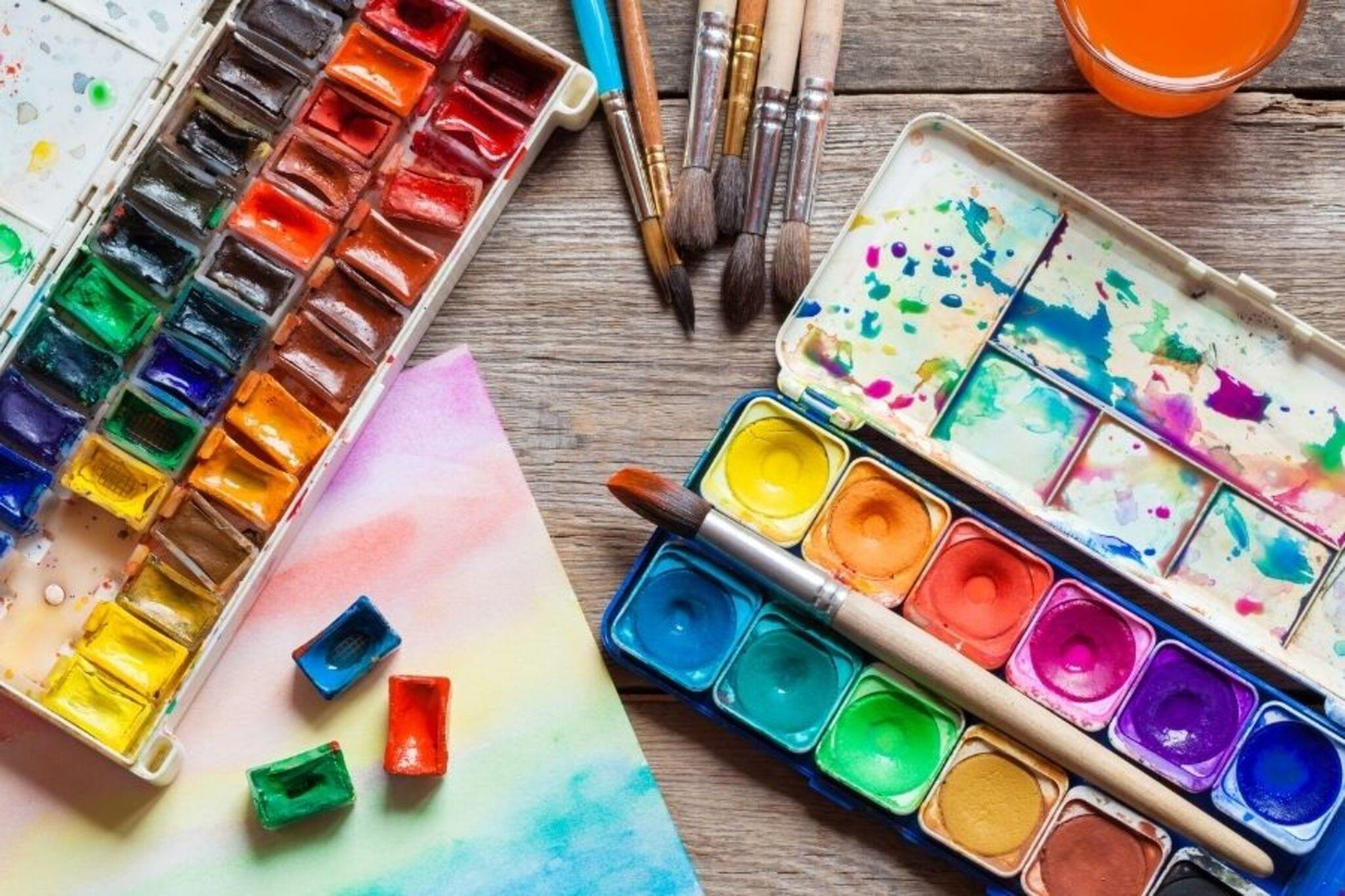

Step-by-step guide to paint something wonderful with watercolors
3 Fun and Easy Watercolor Techniques to Try with Kids
Step 1
Pick one favorite scene or creature you want to paint and picture its colors.
Step 2
Lightly sketch the main shapes of your scene onto the watercolor paper with a pencil.
Step 3
Choose three main colors you will start with on your palette.
Step 4
Test each color and small mixes on a scrap piece of paper to see how they look when diluted.
Step 5
Mix a very light wash of the background color on your palette.
Step 6
Use a large brush to paint the light background wash around your subject.
Step 7
Wait for the background to dry completely before the next paint layer.
Step 8
Paint the main shapes of your subject with a medium brush using stronger color.
Step 9
Mix a darker shade by adding a small amount of a different color on your palette to make shadows.
Step 10
Apply the darker shade to shadow areas with a smaller brush to add depth.
Step 11
Use a dry brush or the tip of a fine brush to add texture details like fur lines or leaf veins.
Step 12
Lift tiny highlights by dabbing a clean damp brush or pressed paper towel on spots you want lighter.
Step 13
Let your whole painting dry fully before finishing touches.
Step 14
Sign your name in a corner so everyone knows you made it.
Step 15
Share your finished watercolor painting on DIY.org
Help!?
What can I use if I don't have watercolor paper, a palette, or the exact brushes listed?
If you don’t have watercolor paper use heavyweight mixed-media or thick printer paper, substitute a ceramic plate or plastic lid for the palette, and use any soft large and small brushes you have while still testing colors and mixes on a scrap piece of paper as the instructions say.
My background looks blotchy or my paints are muddy when layering—how can I fix that?
If the background is blotchy or colors get muddy, stop painting the main shapes, let the background dry completely (as the instructions require), lift problem areas with a clean damp brush or pressed paper towel, and retest diluted mixes on your scrap paper before applying stronger color.
How should I change the steps for younger children or older kids?
For younger children simplify steps by sketching only main shapes, using a large brush and just one or two colors for the background wash with adult help, while older kids can follow all steps including choosing three main colors, mixing darker shades for shadows, and using a fine brush for texture details.
How can we enhance or personalize the finished painting beyond signing and sharing?
Add effects like sprinkling salt or pressing plastic wrap onto the wet background wash for texture, use a white gel pen or lifting technique to make highlights pop, frame the dried piece, then sign your name and share on DIY.org as the final step.
Watch videos on how to paint something wonderful with watercolors
Basic Watercolor Techniques for Kids
4 Videos
Basic Watercolor Techniques for Kids
Easy Watercolor painting for kids, step by step tutorial, easy painting
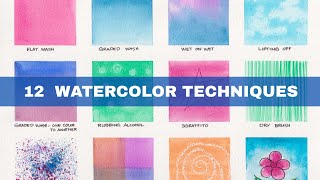
12 WATERCOLOR TECHNIQUES FOR BEGINNERS
The Complete Beginner's Guide to Watercolor
Facts about watercolor painting for kids
🎨 Watercolor painting has been used by artists for centuries because it captures light and translucency wonderfully.
🌈 You can mix thousands of hues from just three primary colors (red, yellow, blue) — try making secondary and tertiary mixes!
🖌️ Different brush shapes (round, flat, mop) change your strokes — round brushes for details, flat for bold washes.
💧 The amount of water you use controls intensity: more water = paler washes, less water = richer color.
📜 Good watercolor paper (often 100% cotton) soaks and holds pigment better than ordinary paper, helping layers blend.
How do I help my child paint something wonderful with watercolors?
What materials do I need for a watercolor painting activity with kids?
What ages is this watercolor activity suitable for?
What are the benefits of watercolor painting for kids?
