Paint A Water Color Landscape!
Paint a simple watercolor landscape using brushes, water, and paper; learn blending washes, layering colors, and creating sky, trees, and distant hills.


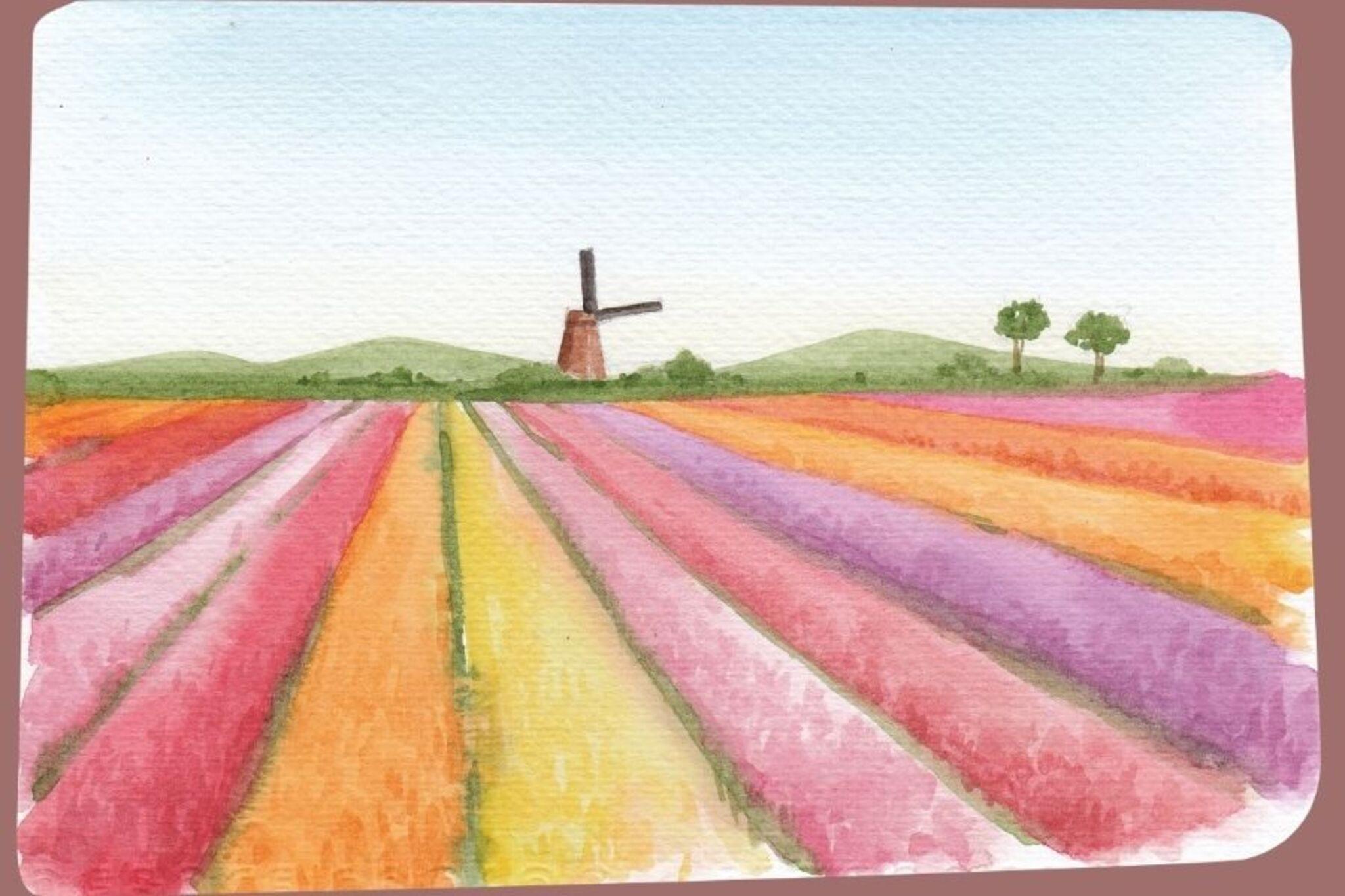

Step-by-step guide to paint a watercolor landscape
Learn Watercolor Landscape Painting (Step by Step for beginners)
Step 1
Tape the edges of your watercolor paper to a flat board or table to keep it from wobbling.
Step 2
Lightly draw a horizon line and simple rounded shapes for distant hills and a few tree outlines with your pencil.
Step 3
Fill your cup with clean water so your brushes are ready.
Step 4
Mix a light blue on your palette using a little paint and lots of water.
Step 5
Wet the sky area of the paper with a clean brush and clear water so paint will blend smoothly.
Step 6
Paint the blue wash across the wet sky using broad horizontal strokes so the color blends softly.
Step 7
Rinse your brush in the cup so colors stay bright for the next layer.
Step 8
Paint the distant hills with a very diluted green or blue using light horizontal strokes.
Step 9
Let the painted areas dry completely before you add more layers.
Step 10
Paint midground hills and simple tree shapes with a slightly stronger green to make them stand out.
Step 11
Use the small brush to paint tree trunks and darker leaf shapes in the foreground for detail.
Step 12
Gently remove the masking tape from the edges of your paper.
Step 13
Sign your name on your painting with pencil or a small brush.
Step 14
Share your finished watercolor landscape on DIY.org
Help!?
What can I use if I don't have watercolor paper, a palette, or masking tape?
Use heavy mixed-media or 140 lb (300 gsm) paper taped to a flat board, a white ceramic plate or plastic lid as a palette, and painter's tape or any low-tack tape instead of masking tape.
The colors look muddy or won't blend—what should I try?
Rinse your brush in the cup between colors, wet the sky area with a clean brush and clear water before applying the blue wash, and let painted areas dry completely before adding the stronger midground and foreground layers to avoid muddiness.
How can I adapt this project for different age groups?
For younger children pre-draw the horizon and hills and let them use a large brush to wet the sky and paint the blue wash, while older kids can follow every step including using the small brush for tree trunks and waiting for layers to dry to add detail.
How can we extend or personalize the watercolor landscape?
Sprinkle coarse salt onto the wet blue wash for texture, try masking fluid to preserve highlights on midground hills, or mix in pinks for a sunset before signing your name with a small brush and sharing on DIY.org.
Watch videos on how to paint a watercolor landscape
How to Paint a Watercolor Landscape for Beginners - the easy way to get started - NO DRAWING NEEDED!
4 Videos
How to Paint a Watercolor Landscape for Beginners - the easy way to get started - NO DRAWING NEEDED!
Paint a peaceful watercolor landscape with me | step by step watercolor tutorial for beginners
Step by Step Watercolor Painting For Beginners | Simple Watercolor Landscape Painting
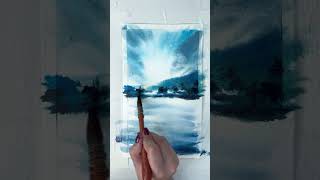
Easy Watercolor Landscape Painting Tutorial for Beginners
Facts about watercolor painting for kids
🎨 Watercolor paint can be reactivated with water, so you can lift or soften colors even after they've dried (carefully)!
🌄 Atmospheric perspective makes distant hills look lighter, bluer, and fuzzier because of the air between you and them.
💧 A "wash" is a smooth, watery layer of paint—perfect for painting soft skies and calm backgrounds.
🖌️ Different brushes do different jobs: round brushes are great for tree shapes and details, flat brushes for wide skies and horizons.
🌈 Adding a tiny bit of a color's complementary color mutes it and makes landscapes look more natural (no neon trees!).
How do I paint a simple watercolor landscape?
What materials do I need to paint a watercolor landscape?
What ages is painting a watercolor landscape suitable for?
What are the benefits and safety tips for painting watercolor landscapes?
