Need Help? Ask Your Music Mentor
Prepare questions and play a short piece for a music mentor, receive feedback on rhythm, pitch, and practice goals, and track improvement.


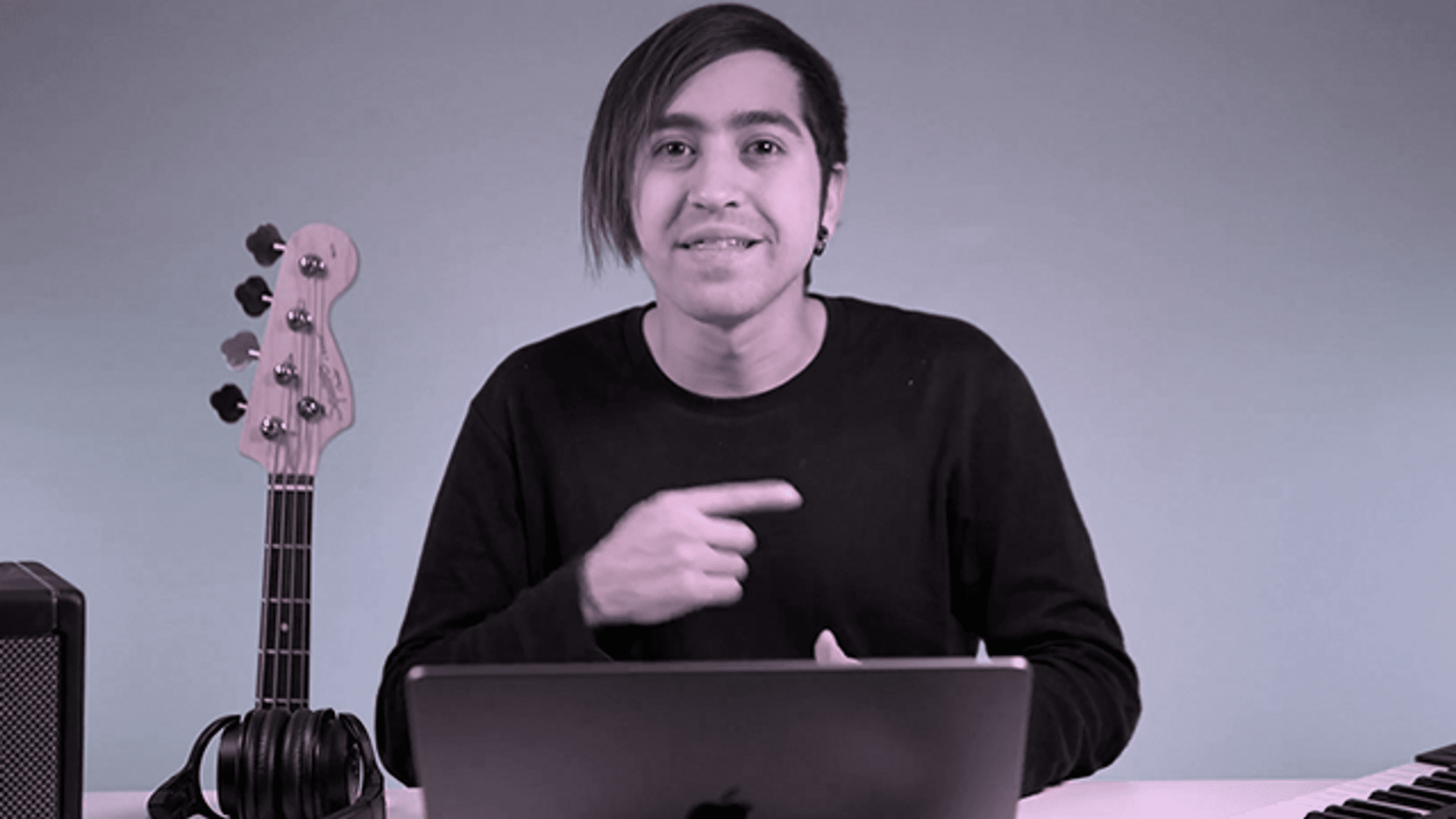
Step-by-step guide to ask your music mentor for help
Why learning to play music helps kids learn everything else better
Step 1
Choose a short piece you can play or sing in about one minute.
Step 2
Write the piece name and the one part that feels hardest in your notebook.
Step 3
Write three clear questions to ask your mentor: one about rhythm one about pitch and one about practice goals.
Step 4
Do a 3-minute warm-up for your instrument or voice.
Step 5
Set your metronome or timer to a comfortable tempo for the piece.
Step 6
Play or sing the short piece all the way through for your mentor.
Step 7
Listen carefully while your mentor gives feedback on rhythm pitch and practice goals.
Step 8
Write your mentor’s feedback under the headings Rhythm Pitch Practice Goals in your notebook.
Step 9
Choose one specific practice goal from the feedback and write a 10-minute practice plan for today.
Step 10
Practice the chosen goal for 10 minutes using the metronome.
Step 11
Write one short sentence in your notebook about what improved after your practice.
Step 12
Share your finished creation and what you learned on DIY.org.
Help!?
If we don't have a metronome or timer, what can we use instead?
Use a free metronome app or the timer on a phone or tablet to complete the step 'Set your metronome or timer to a comfortable tempo for the piece'.
What should I do if I keep stumbling over the hardest part when I play or sing it for my mentor?
Slow the metronome to a manageable speed and mark that one part in your notebook so you can focus on it in the 10-minute practice plan from the instructions.
How can this activity be adapted for a 6-year-old versus a 14-year-old?
For a 6-year-old make the warm-up 1–2 minutes, have a parent help write the piece name and the three questions, and keep the practice goal very simple, while a 14-year-old can extend the warm-up to 5–10 minutes, write more detailed rhythm and pitch questions, and create a longer practice plan than the 10-minute session.
How can we extend or personalize the activity after finishing the basic steps?
Record a video when you 'Play or sing the short piece all the way through for your mentor', keep a weekly log of the single-sentence improvements in your notebook, and post progress updates on DIY.org to build a personalized practice series.
Watch videos on how to ask your music mentor for help
The Rhythm of Resilience: Music Therapy for Kids & Teens
4 Videos
The Rhythm of Resilience: Music Therapy for Kids & Teens

Music Theory for Kids

Why is Music important?

Musical Notes! Learning about music for Kids
Facts about music lessons and practice for kids
🎵 Many top musicians say short, focused daily practice beats long, unfocused sessions — consistency wins!
⏱️ Practicing in short bursts with breaks (like Pomodoro-style) keeps concentration high and speeds learning.
🧭 Immediate feedback from a mentor helps students fix mistakes faster and stay motivated.
🎯 Setting a clear practice goal (for example, ‘perfect the first 8 bars at tempo 80’) makes progress measurable.
🎧 Ear training and solfège help learners detect pitch differences and sing or play more in tune.
How do I prepare and run a 'Ask Your Music Mentor' session with my child?
What materials do we need for a music mentor feedback session?
What ages is the 'Ask Your Music Mentor' activity suitable for?
What are the benefits of playing for a music mentor and tracking improvement?
