Narrate a Story Through a Song!
Write and compose a short song that tells a story by creating lyrics, choosing a melody and rhythm, then practice and perform or record it.



Step-by-step guide to Narrate a Story Through a Song!
Step 1
Choose a short story idea you want your song to tell.
Step 2
Write a one sentence summary of your story on your paper.
Step 3
Write three short notes and label them Beginning Middle End.
Step 4
Write two to four lines of lyrics that tell the beginning of your story.
Step 5
Write two to four lines of lyrics that tell the middle of your story.
Step 6
Write two to four lines of lyrics that tell the ending of your story.
Step 7
Hum three different short melodies.
Step 8
Pick the melody you like best from the ones you hummed.
Step 9
Tap a steady beat with your hand or your rhythm maker to choose a tempo.
Step 10
Sing the beginning lines to your chosen melody slowly to check how the words fit.
Step 11
Practice singing the whole song with the beat until you can sing it smoothly.
Step 12
Share your finished creation on DIY.org
Help!?
What can we use instead of paper or a rhythm maker if we don't have them?
Use a notebook page, index card, or the notes app on a phone instead of paper, and clap, tap a wooden spoon, or use a smartphone metronome app in place of a rhythm maker.
My words don't fit the melody when I sing the beginning lines slowly—what should I do?
Try shortening or stretching syllables, pick a different hummed tune from the three melodies you hummed, or slow the tempo by tapping a steadier beat until the beginning lines fit smoothly.
How can I change the activity for younger or older kids?
For younger children, simplify to a one-sentence story and sing two short lines for Beginning and End with simple clapping for the beat, while older kids can write fuller Beginning/Middle/End lyrics, experiment with three hummed melodies and harmonies, and refine before sharing.
How can we make the song more exciting or personal?
Add simple instruments or sound effects while you hum and pick your melody, turn your one-sentence summary into a catchy chorus, create movements to the steady beat, and record the finished song to share on DIY.org.
Watch videos on how to Narrate a Story Through a Song!
Writing Prompt: Turn your Favorite Song into a Story
4 Videos
Writing Prompt: Turn your Favorite Song into a Story
READING and WRITING Songs! | 30 Minutes of LITERACY Songs for Kids! | Jack Hartmann
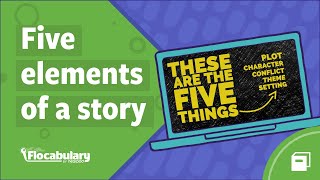
Five Elements of a Story | Educational Rap Lesson Preview from Flocabulary
Making a Song: Creating the Lyrics - Song Writing for Kids!
Facts about songwriting and musical storytelling for kids
🎶 The Hurrian Hymn No. 6 (about 1400 BCE) is the oldest surviving notated melody—people have been putting stories to music for thousands of years.
📝 Many hit songs start from a single catchy line or 'hook' that grows into the whole story and chorus.
⏱️ Most popular songs run about 2.5–4 minutes, a great length for a short story-song with a clear beginning, middle, and end.
🎤 Singing your lyrics out loud while you write helps you match words to melody and spot awkward rhythms instantly.
📜 A 'ballad' is a traditional song form that tells a story, often using characters, events, and vivid details to keep listeners engaged.
How do you narrate a story through a song?
What materials do I need to narrate a story through a song?
What ages is narrating a story through a song suitable for?
What are the benefits of narrating a story through a song?
