Make Temporary Tattoos
Design and apply temporary tattoos using non-toxic washable markers and tracing paper, transfer artwork to skin with water, then safely wash them off.
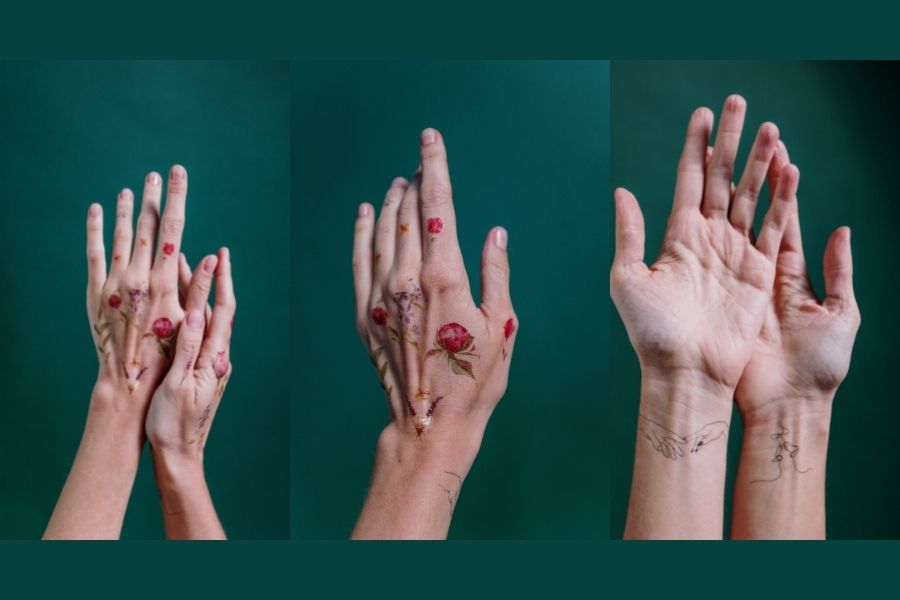
About this activity
Design and apply temporary tattoos using non-toxic washable markers and tracing paper, transfer artwork to skin with water, then safely wash them off.
What you need
Step by step
- 1
Step 1
Wash the area of skin where you plan to put the tattoo.
- 2
Step 2
Dry the skin completely with a towel or paper towel.
- 3
Step 3
Draw a simple design on plain paper with a pencil.
- 4
Step 4
Color the design on the plain paper with washable markers.
- 5
Step 5
Place a sheet of tracing paper over your colored design.
- 6
Step 6
Trace the design onto the tracing paper with a marker pressing firmly so ink transfers.
- 7
Step 7
Flip the tracing paper so the ink side faces the skin and place it where you want the tattoo.
- 8
Step 8
Dip a cotton ball into the small bowl of water so it is damp but not dripping.
- 9
Step 9
Press the damp cotton ball onto the back of the tracing paper and hold for 20 seconds to transfer the ink.
- 10
Step 10
Carefully peel the tracing paper away from your skin.
- 11
Step 11
Let the tattoo air dry for about one minute before touching it.
- 12
Step 12
To remove the tattoo, wet the area and wash it with gentle soap and water using a cotton ball or paper towel.
- 13
Step 13
Share your finished creation on DIY.org.
Fun facts
How do I make temporary tattoos with washable markers and tracing paper?
First draw your design on tracing paper using non-toxic washable markers, keeping lines simple. Cut around the design and place the ink side down on clean, dry skin. Press a damp sponge or cloth over the paper for 20–30 seconds to transfer the ink, then peel carefully and let the tattoo air-dry. To remove, wash with warm water and gentle soap. Always supervise children while drawing and transferring to ensure safety.
What materials do I need to make temporary tattoos at home?
You will need non-toxic washable markers, tracing paper, scissors, a small bowl of water, a sponge or cloth, clean towels, and gentle soap for removal. Optional items: cotton swabs for detail, baby or translucent powder to lightly set the design, and a small amount of oil (coconut or olive) for stubborn ink removal. Avoid permanent markers and aerosol sprays; check marker labels to confirm they are skin-safe and non-toxic.
What ages are temporary tattoo activities suitable for?
This activity is great for children around 4 years and up with adult help; fine-motor control improves around 6–8. Kids ages 8–12 can design and transfer more independently with supervision. For toddlers (2–4), an adult should draw and do the transfer to prevent paper tearing or accidental ingestion. Always supervise, avoid sensitive areas, and perform a small patch test before full designs to check for skin reactions.
Are temporary tattoos safe and how do I wash them off?
Temporary tattoos encourage creativity and fine motor skills, but safety is key: use non-toxic washable markers, avoid eyes and mucous membranes, and don’t apply to broken or irritated skin. Do a patch test on the inner arm to check for sensitivity. Remove with warm water and gentle soap; for stubborn marks, rub gently with oil. Stop use if irritation appears and supervise children throughout the activity.
Watch & Learn
Need help?
What can I use if I don't have tracing paper or washable markers?
If you don't have tracing paper, use a sheet of wax paper or clear plastic (like a laminating pouch) and if you lack washable markers, use water‑based children's markers, then follow the same steps to trace, flip so the ink faces the skin, and press with a damp cotton ball.
Why didn't the ink transfer well and how can I fix it?
If the ink won't transfer, make sure you traced with a marker (not pencil), pressed firmly while tracing so pigment was deposited, flipped the tracing paper ink‑side down on skin, and held a damp (not dripping) cotton ball on the back for the full 20 seconds.
How can I adapt this activity for different ages?
For preschoolers, have an adult draw the simple design and do the 'press damp cotton ball for 20 seconds' step while the child colors with washable markers, and for older kids let them design more detailed artwork and try layering colors before sharing on DIY.org.
How can we make the tattoos more creative or long‑lasting?
To personalize and extend the activity, trace multiple small designs on plain paper and layer transfers (letting each tattoo air dry for about one minute between layers), use stencils for precise shapes, then photograph the finished creations to share on DIY.org.