Make liquid effects
Make a lava lamp liquid effect using water, vegetable oil, food coloring, and safe fizz tablets to explore density, color mixing, and motion.


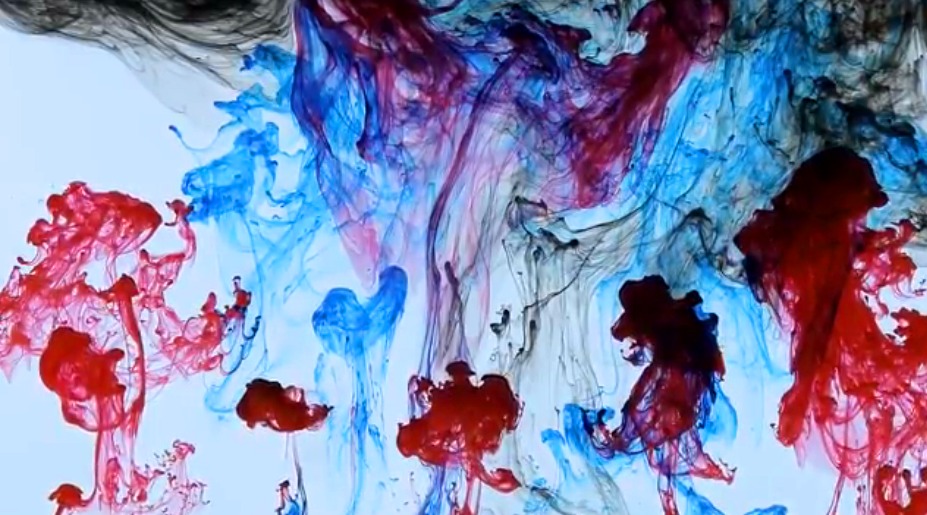

Step-by-step guide to make a lava lamp liquid effect using water, vegetable oil, food coloring, and safe fizz tablets
How to create 3D Liquid Effect | Adobe Illustrator & Dimension Tutorial
Step 1
Gather all materials and place them on a flat table or tray.
Step 2
Make sure the bottle or jar is clean and dry and remove its lid.
Step 3
Use the funnel to pour water into the bottle until it is about one quarter full.
Step 4
Use the funnel to slowly pour vegetable oil into the bottle until the bottle is nearly full leaving about two inches of space at the top.
Step 5
Let the bottle sit still and watch the oil and water separate into two layers.
Step 6
Add 6 to 10 drops of food coloring into the bottle and watch the color pass through the oil and mix with the water layer.
Step 7
Ask an adult to break a fizz tablet into 3 or 4 small pieces.
Step 8
Drop one piece of fizz tablet into the bottle and watch colorful bubbling blobs rise and fall.
Step 9
When the bubbling slows, drop another tablet piece to make more lava-lamp movement.
Step 10
Screw the lid on the bottle tightly when you are finished and store it upright for another time.
Step 11
Take a photo or write about what you saw and share your finished creation on DIY.org.
Help!?
What can I use if I don't have a funnel, vegetable oil, or fizz tablets?
Make a funnel by rolling sturdy paper into a cone to pour water and oil, substitute baby oil or clear canola oil for vegetable oil, and use Alka-Seltzer or an effervescent vitamin C tablet instead of the fizz tablet to create the bubbling blobs.
Why doesn't the food coloring pass through the oil or why are there no bubbling blobs when I drop a tablet piece in?
If the coloring beads stay on top, gently nudge them with a chopstick or drop them closer to the water layer, and if bubbling is weak use a fresh, dry piece of Alka-Seltzer (or larger tablet piece) and avoid sealing the lid while watching the reaction.
How can I adapt this activity for different ages?
For ages 2–4 have an adult pre-pour the water and oil into a wide plastic bottle and supervise dropping in food coloring, for 5–8 let them use the funnel and add 6–10 drops and small tablet pieces with guidance, and for 9+ encourage experimenting with different oils, tablet sizes, or additives like glitter to compare lava-lamp movement.
How can we extend or personalize the lava-lamp bottle after finishing the basic steps?
Add a teaspoon of glitter before dropping the tablet, try glow-in-the-dark paint instead of food coloring for nighttime effects, or place the sealed bottle on a battery tea light and take photos to share on DIY.org.
Watch videos on how to make a lava lamp liquid effect using water, vegetable oil, food coloring, and safe fizz tablets
How To Paint Water • 30 Days Of Digital Art Challenge • Tutorial & Course
4 Videos
How To Paint Water • 30 Days Of Digital Art Challenge • Tutorial & Course
Liquid Glass Effect in Canva (Eye-Catching & Easy!)
Tutorial: How to Create Liquid Animation in After Effects
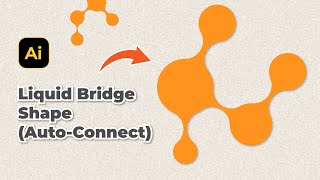
Create a Shape with Liquid Bridge Effect (Editable) in Illustrator
Facts about density and fluid experiments for kids
🔥 Lava lamps were invented by British designer Edward Craven Walker in 1963!
🧪 Oil and water don't mix because water is polar and oil is nonpolar, so they form separate layers.
🎈 Fizz tablets like Alka-Seltzer release carbon dioxide bubbles that carry colored blobs up and down to make the lava-lamp motion.
🌈 Just a few drops of food coloring can create bright, mixable colors—red, blue, and yellow are common starting dyes.
⚖️ Density decides which liquid floats: oil sits on top of water because it's less dense.
How do I make a lava lamp liquid effect with water, oil, food coloring, and fizz tablets?
What materials do I need to make a homemade lava lamp effect?
What ages is this lava lamp activity suitable for?
Is the lava lamp fizz tablet experiment safe? What precautions should I take?
