Make hot ice (sodium acetate trihydrate)
Make hot ice (sodium acetate trihydrate) crystals using vinegar and baking soda, heating and cooling under adult supervision to trigger rapid crystallization.


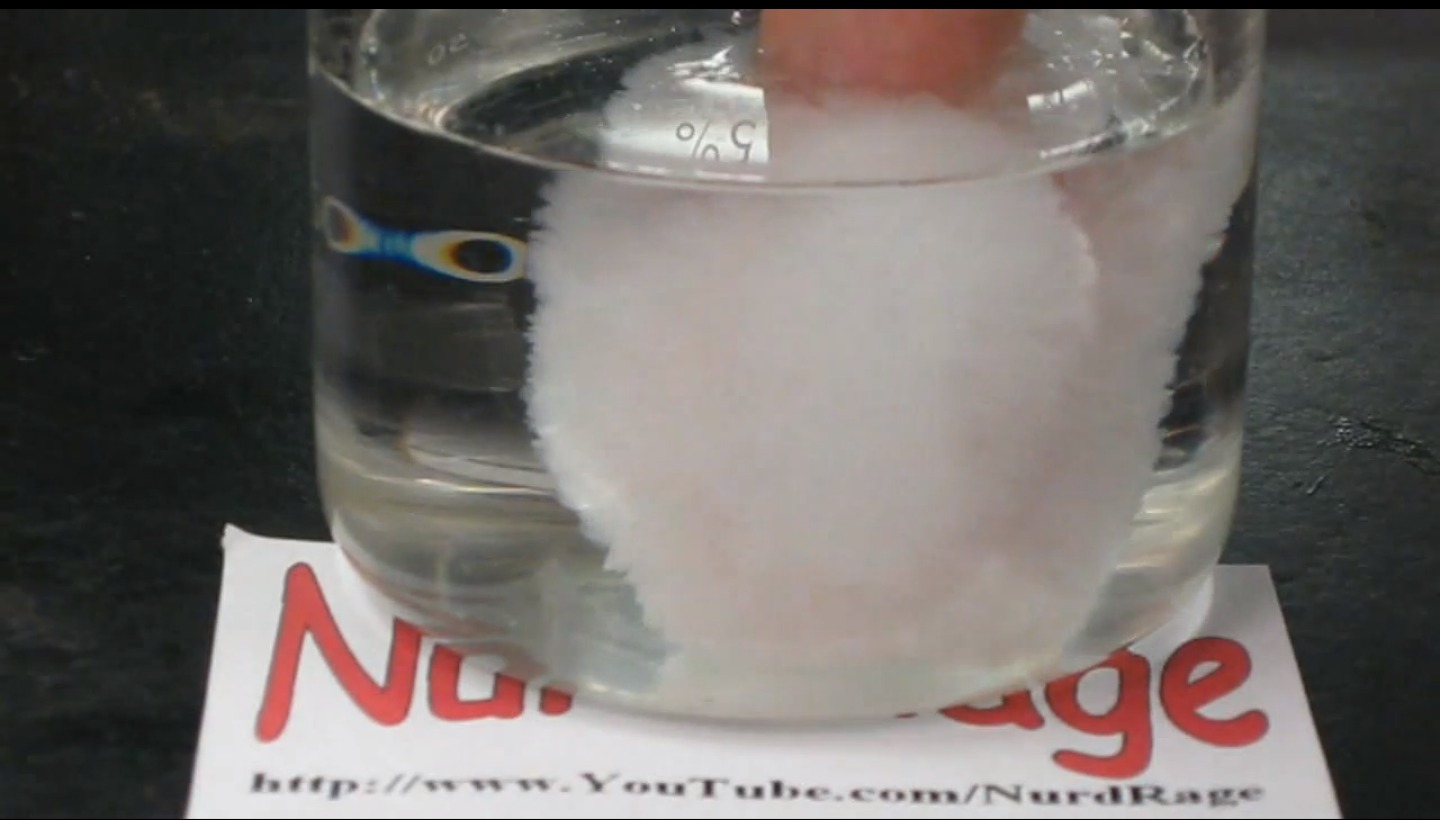

Step-by-step guide to make hot ice (sodium acetate trihydrate)
Hot Ice! Amazing Science Experiment with Sodium Acetate
Step 1
Measure 2 cups of white vinegar into the saucepan.
Step 2
With an adult, set the saucepan on medium heat and warm the vinegar until it gently simmers.
Step 3
Slowly add 1 teaspoon of baking soda at a time to the simmering vinegar until fizzing stops completely.
Step 4
Stir gently and keep the mixture at a gentle simmer so the water slowly evaporates.
Step 5
Continue heating until the liquid is reduced to about 1/4 of the starting volume (about 1/2 cup).
Step 6
Turn off the heat and let the concentrated solution cool for 5 minutes while an adult holds the pan.
Step 7
Carefully pour the hot concentrated solution into the clean heatproof glass jar while using oven mitts or potholders.
Step 8
Let the jar sit undisturbed in a cool place until it reaches room temperature and the liquid looks clear and still.
Step 9
If crystals formed during boiling, reheat the solution until they dissolve and then repeat cooling to make a clear supersaturated solution.
Step 10
Drop in a tiny seed crystal or gently tap the jar to start rapid crystallization and watch the "hot ice" form.
Step 11
Take a photo of your hot ice crystals and share your finished creation on DIY.org.
Help!?
What can we use if we can't find white vinegar, baking soda, or a heatproof glass jar?
Use any clear 5% distilled white vinegar for the 'Measure 2 cups of white vinegar' step and regular table baking soda (sodium bicarbonate) for the 'add 1 teaspoon of baking soda' step, and if you don't have a heatproof glass jar you can pour the hot concentrated solution into a Pyrex measuring cup or other heatproof glass/ceramic container.
My solution formed crystals while boiling or stayed cloudy—what should we do?
If crystals form during boiling or the liquid isn't clear, reheat the solution until the crystals dissolve and then repeat the cooling step while keeping the mixture at a gentle simmer and reducing it to about 1/4 of the starting volume as instructed.
How can we adapt this activity for younger kids or older kids?
For younger children have an adult handle the 'set the saucepan on medium heat', 'pour the hot concentrated solution into the clean heatproof glass jar', and 'use oven mitts', while the child measures the 2 cups, watches crystallization, drops the seed crystal, and takes the photo; for older kids let them add the baking soda 1 teaspoon at a time, control the simmer to reduce to 1/4 volume, and troubleshoot reheating crystals with supervision.
How can we extend or personalize the hot ice experiment after it works?
Try adding a small drop of food coloring to the concentrated solution before cooling, grow a seed crystal on a string or use silicone molds to shape the activated 'hot ice', and make a time-lapse or photo to share your finished creation on DIY.org as the final step.
Watch videos on how to make hot ice (sodium acetate trihydrate)
BEST How To make HOT ICE tutorial (Sodium Acetate)
4 Videos
BEST How To make HOT ICE tutorial (Sodium Acetate)
Chemistry experiment 43 - Fun with sodium acetate: 'hot ice'
1st Prize Project, How to make HOT ICE | Sodium acetate, Instant crystal Formation l exhibition

How to make Hot Ice at home - Amazing Science Experiment
Facts about chemistry experiments for kids
🔥 When sodium acetate crystallizes from a supersaturated solution it releases heat — you can actually feel the container get warm!
❄️ It's nicknamed "hot ice" because the solid looks like ice even though the process produces warmth.
👐 The same chemistry powers reusable hand warmers: a tiny trigger makes a supersaturated solution crystallize and give off heat.
🧪 You can make sodium acetate at home by mixing vinegar (acetic acid) with baking soda (sodium bicarbonate) — but the reaction also makes fizzy carbon dioxide!
♻️ After crystals form you can gently reheat them to dissolve back into solution and reuse the experiment many times.
How do you make hot ice (sodium acetate trihydrate) with baking soda and vinegar?
What materials do I need to make hot ice at home?
What ages is making hot ice suitable for?
What safety precautions should I follow when making hot ice?
