Make a Persona
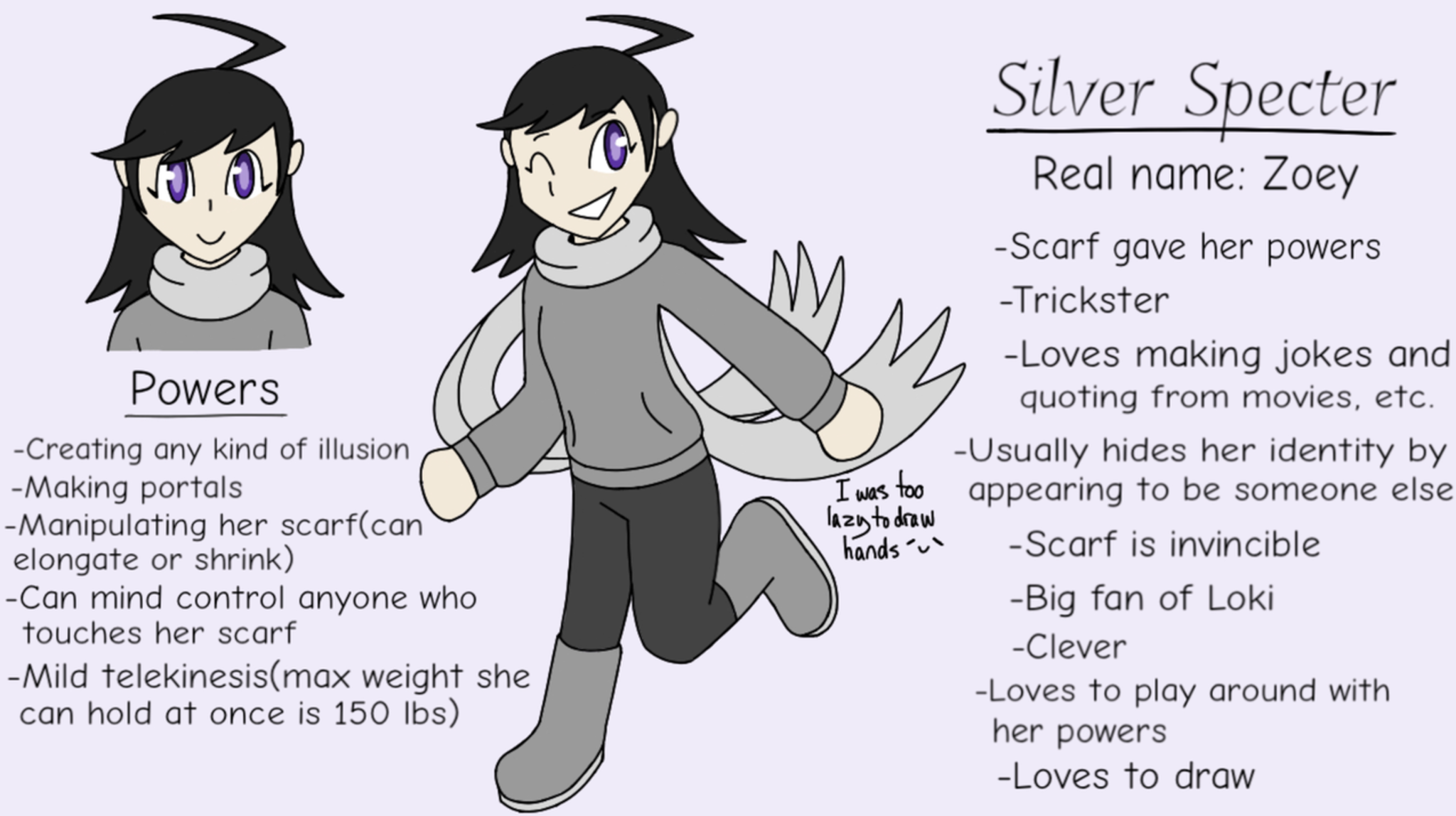
Create a persona by choosing traits, drawing appearance, naming them, writing a short backstory, and imagining goals for stories or play.
About this tutorial
Create a persona by choosing traits, drawing appearance, naming them, writing a short backstory, and imagining goals for stories or play.
What you need
Instructions
- 1
Step 1
Gather your materials and find a comfy spot to sit.
- 2
Step 2
Pick what kind of persona you want to create (for example a brave explorer a funny robot or a mysterious wizard).
- 3
Step 3
Choose three personality traits for your persona and write them down (for example kind clever curious).
- 4
Step 4
Decide on one special feature (a cape a glowing eye a pet or a magical mark) and write it down.
- 5
Step 5
Draw a simple outline of your persona on the paper (head body and major shapes).
- 6
Step 6
Add details like hair clothes accessories and the special feature you chose.
- 7
Step 7
Color your persona using your coloring materials.
- 8
Step 8
Give your persona a name and write it near the drawing.
- 9
Step 9
Write a short backstory of two to four sentences about where your persona came from and what they like to do.
- 10
Step 10
Write three goals or dreams your persona wants to achieve and one problem or fear that makes stories interesting.
- 11
Step 11
Share a photo or description of your finished persona on DIY.org so others can see your creation.
Fun facts
How do you create a persona with a child for stories or play?
Start by asking the child to pick basic traits (brave, curious, shy). Have them draw the character’s appearance, then choose a name. Guide them to write a short backstory (where they’re from, one challenge they faced) and list a few goals or dreams for the character. Finish by role-playing a scene or creating a diary entry. Use open questions and celebrate unusual ideas to keep imagination flowing.
What materials do we need to make a child’s persona?
You’ll need paper or a notebook, pencils, erasers, colored markers or crayons, and optional stickers. A simple template with boxes for traits, drawing, name, backstory, and goals helps younger kids. Extras: magazines for collages, glue, scissors, and a timer for short activities. If preferred, use a tablet or simple drawing app. Keep materials safe and age-appropriate, and have scrap paper for rough sketches.
What ages is persona-making suitable for?
Persona-making works for ages about 4–12, with adaptations. Ages 4–6 enjoy drawing, choosing a name, and simple wants (like "wants a friend"). Ages 7–9 can write short backstories and goals with prompts. Ages 10–12 can explore motivations, flaws, and longer stories. Adults should scaffold the activity for younger kids and offer optional challenges for older children, like tying personas into longer plays or stories.
What are the benefits of creating personas with children?
Making personas boosts creativity, vocabulary, and storytelling skills while strengthening empathy by imagining another’s feelings and goals. It supports planning and sequential thinking as kids build backstories and motivations. Role-playing the persona improves social skills and confidence. This low-cost activity also encourages fine motor skills through drawing and writing, and can be repeated to track a child’s growth in imagination and self-expression.
Watch & Learn
Need help?
What can we use if we don't have paper or coloring materials?
If you don't have paper or traditional coloring materials, make your simple outline on a cereal-box panel or cardboard and color it with markers, pens, torn fabric glued on as collage, or even food-safe dyes.
My child can't draw the outline or choose traits—how can we fix that?
If the outline or trait choices are hard, trace a toy or cup for the head/body, pick three traits from a short prompt list (brave, kind, curious), and sketch lightly in pencil so you can erase and add details before coloring.
How can we adapt this persona activity for different ages?
For younger kids use large crayons, stickers for traits, and a one-sentence backstory, while older children can add detailed clothing, a 2–4 sentence backstory, three goals, a fear, and more intricate coloring or mixed-media details.
How can we extend or personalize the finished persona?
Personalize and extend the project by sewing or gluing a real fabric cape for the special feature, adding foil or a tiny LED for a glowing eye, writing a short comic about one of the three goals, and sharing a photo plus description on DIY.org.