Make a 5-year plan
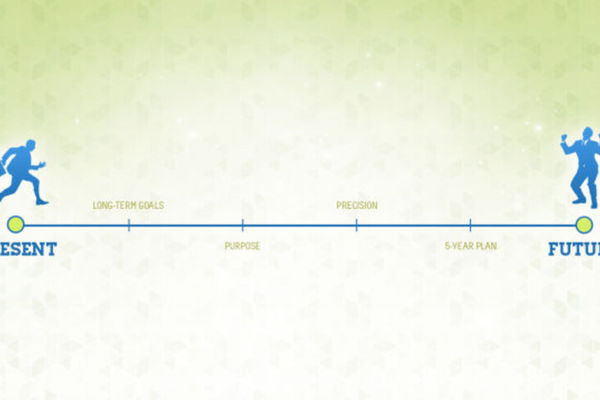
Create a simple five-year plan with drawings, goals, and timelines; practice setting steps, tracking progress, and adjusting plans with adult guidance.
About this activity
Create a simple five-year plan with drawings, goals, and timelines; practice setting steps, tracking progress, and adjusting plans with adult guidance.
What you need
Step by step
- 1
Step 1
Gather all materials and set them on a table so everything is ready.
- 2
Step 2
Pick a title for your five-year plan and say which year or age you will start.
- 3
Step 3
Fold your paper into five equal columns or draw five boxes across the page to make one column for each year.
- 4
Step 4
Label the columns Year 1 Year 2 Year 3 Year 4 Year 5 or write the calendar years or ages at the top of each column.
- 5
Step 5
Draw one big picture or symbol in each column that shows a dream or big idea for that year.
- 6
Step 6
Under each picture write two or three goals you want to try during that year.
- 7
Step 7
For each goal write one milestone with a month or age when you want to reach it.
- 8
Step 8
For each milestone write two small steps you can do soon to move toward that milestone.
- 9
Step 9
Use sticky notes or draw checkboxes to make a progress tracker for each small step.
- 10
Step 10
Choose a regular check-in day (for example every month) to look at your plan with an adult.
- 11
Step 11
Mark the check-in day on your calendar or monthly pages so you won’t forget.
- 12
Step 12
With an adult practice changing one small step or moving one milestone if something new happens.
- 13
Step 13
Decorate your plan with colors stickers and fun drawings to make it exciting to follow.
- 14
Step 14
Take a photo or describe your finished five-year plan and share it on DIY.org
Fun facts
How do I help my child make a simple five-year plan?
Start by talking about one or two big dreams (school, hobbies, travel). Break each dream into yearly goals and then into small monthly or weekly steps. Use drawings and simple timelines to make ideas concrete. Schedule short planning sessions and regular check-ins to celebrate progress and adjust steps as interests change. Keep language positive, offer adult guidance for realistic steps, and make it playful so the child stays engaged.
What materials do I need to make a five-year plan with my child?
Gather a large sheet of paper or poster board, markers, crayons, sticky notes, and a ruler for drawing timelines. Add stickers, photos, or magazine cutouts for visual goals, plus a calendar or printable timeline. Optional items: a notebook to track progress, colored pens for milestones, and a small box or envelope to save achievements. Digital tools like a simple slideshow or drawing app work well if you prefer screen-based planning.
What ages is a five-year planning activity suitable for?
This activity works best for children ages 5–12 with adult support. Younger kids (5–7) benefit from simple, picture-based goals and short timelines, while older children (8–12) can handle written goals and step-by-step plans. Tailor the complexity to attention span: use shorter sessions and lots of visuals for younger children, and introduce milestone tracking and reflective check-ins for older kids to build independence.
What are the benefits of making a five-year plan with kids?
Creating a five-year plan builds goal-setting, planning, and executive-function skills. It encourages self-awareness, helps children learn to break big ideas into manageable steps, and teaches flexibility when plans change. Working together strengthens communication and parent-child bonding, boosts confidence as milestones are met, and creates a record of growth kids can revisit to see progress and adjust future goals.
Watch & Learn
Need help?
What can we use instead of sticky notes, stickers, or a camera if we don't have them?
If you don't have sticky notes use small torn paper tabs taped to the columns, replace stickers with colored markers or washi tape for decoration, and write a short description of the finished five-year plan instead of taking a photo to share on DIY.org.
What should we do if folding the paper into five equal columns or writing milestones feels too hard?
Use a ruler and pencil to draw five equal boxes across the page instead of folding, and start with one picture and one milestone per year so the child can add the two small steps later during your regular check-in day.
How can this activity be changed for younger children or for older kids who want more detail?
For younger children simplify to three picture-columns with one goal each and let an adult write milestones and sticky-note steps, while older kids can label calendar years, add month-based milestones, and track progress with a digital calendar for the check-in day.
How can we make the five-year plan more motivating, creative, or personalized?
Color-code each year's goals with different markers, use the sticky-note or checkbox progress tracker to add reward stickers for completed small steps, practice changing one small step with an adult as the instructions suggest, and take a photo to post on DIY.org to celebrate progress.