How to draw a sombrero - a free sombrero drawing guide
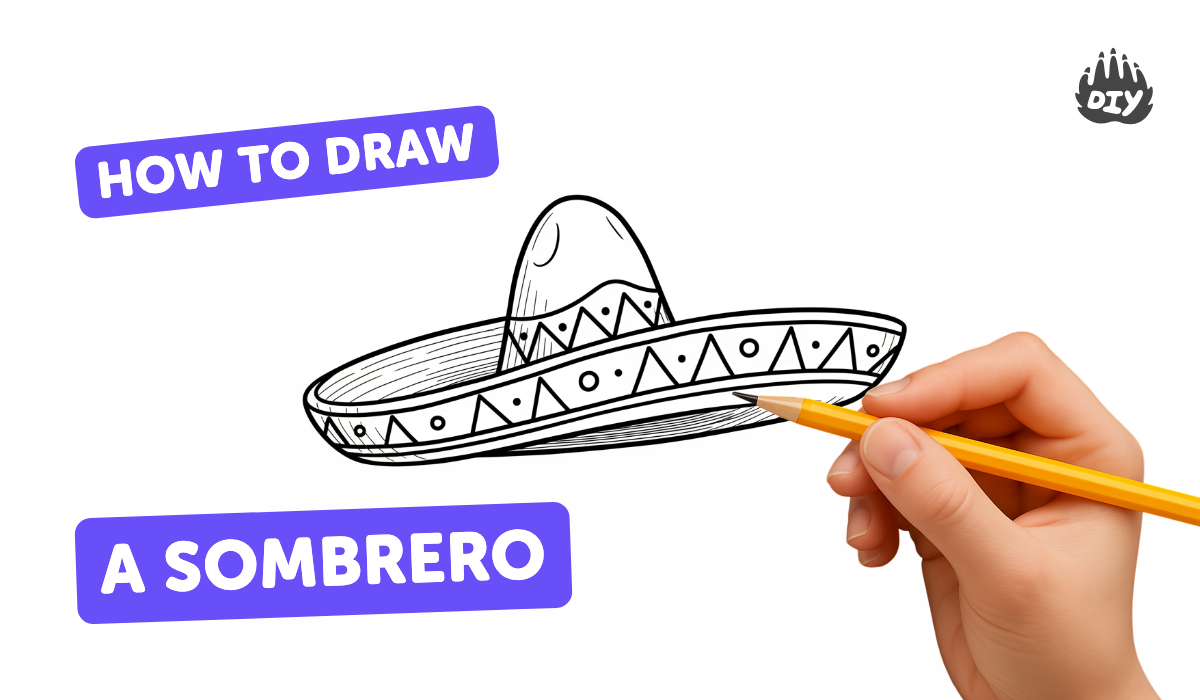
Draw a colorful sombrero step-by-step using simple shapes, patterns, and shading to add texture and tassels. Practice observation, symmetry, and creativity.


Drawing Apps
Photos of sombrero drawing examples
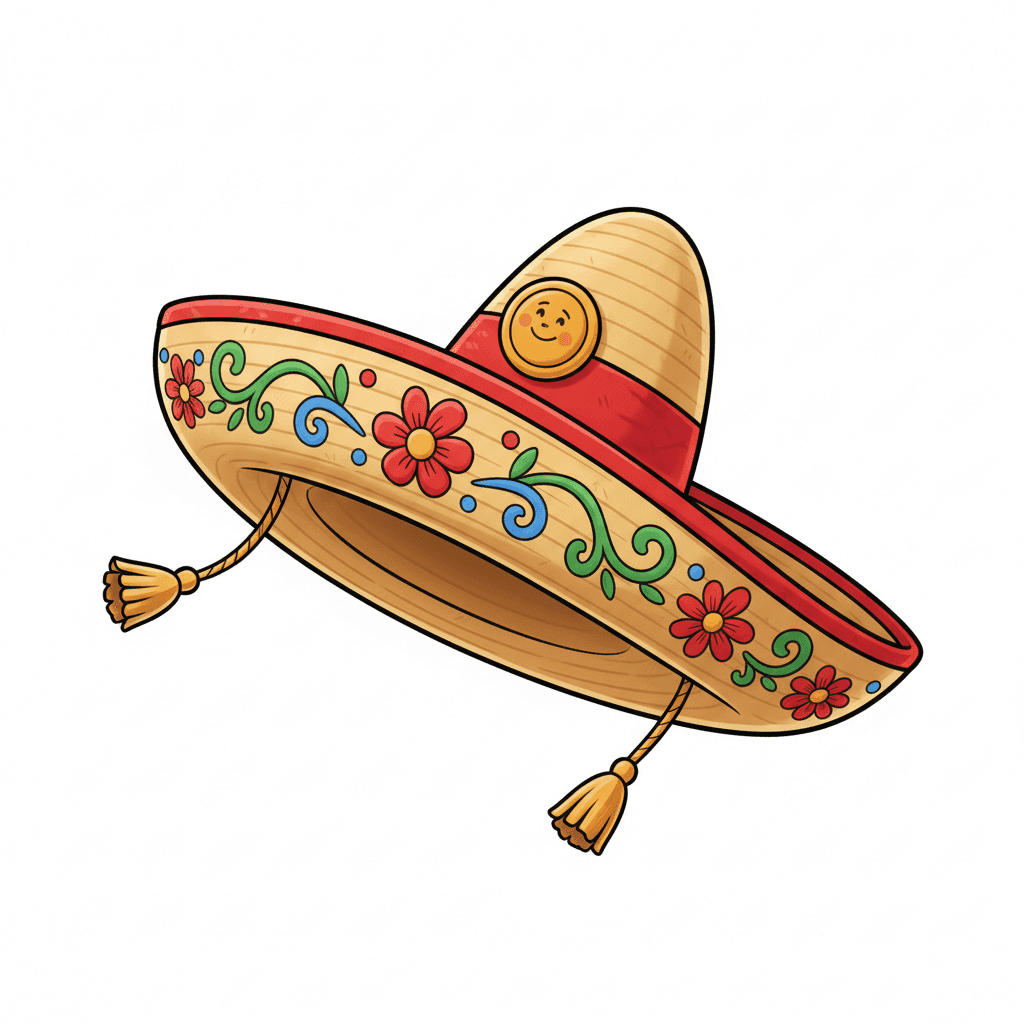

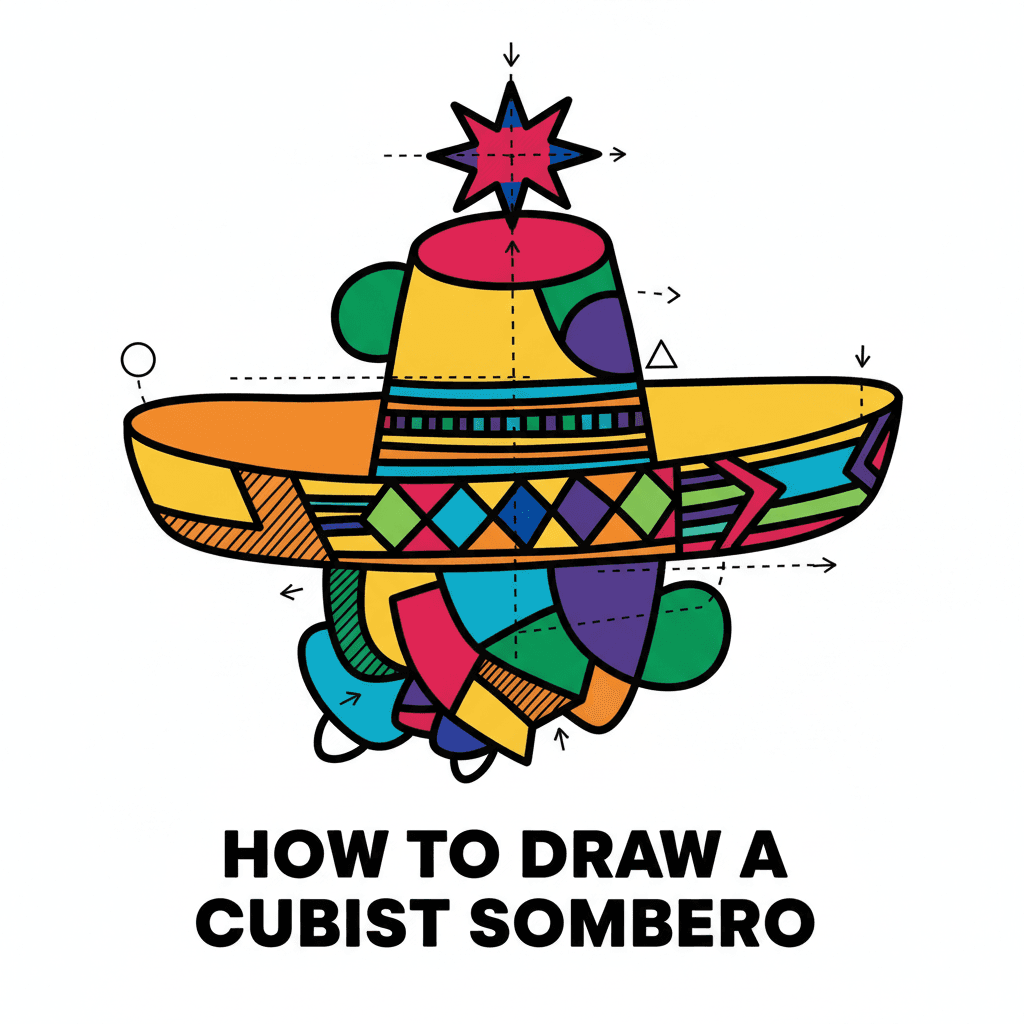
Step-by-step guide to draw a sombrero
How To Draw A Sombrero
Step 1
Place your paper horizontally on a flat table so you have lots of space to draw.
Step 2
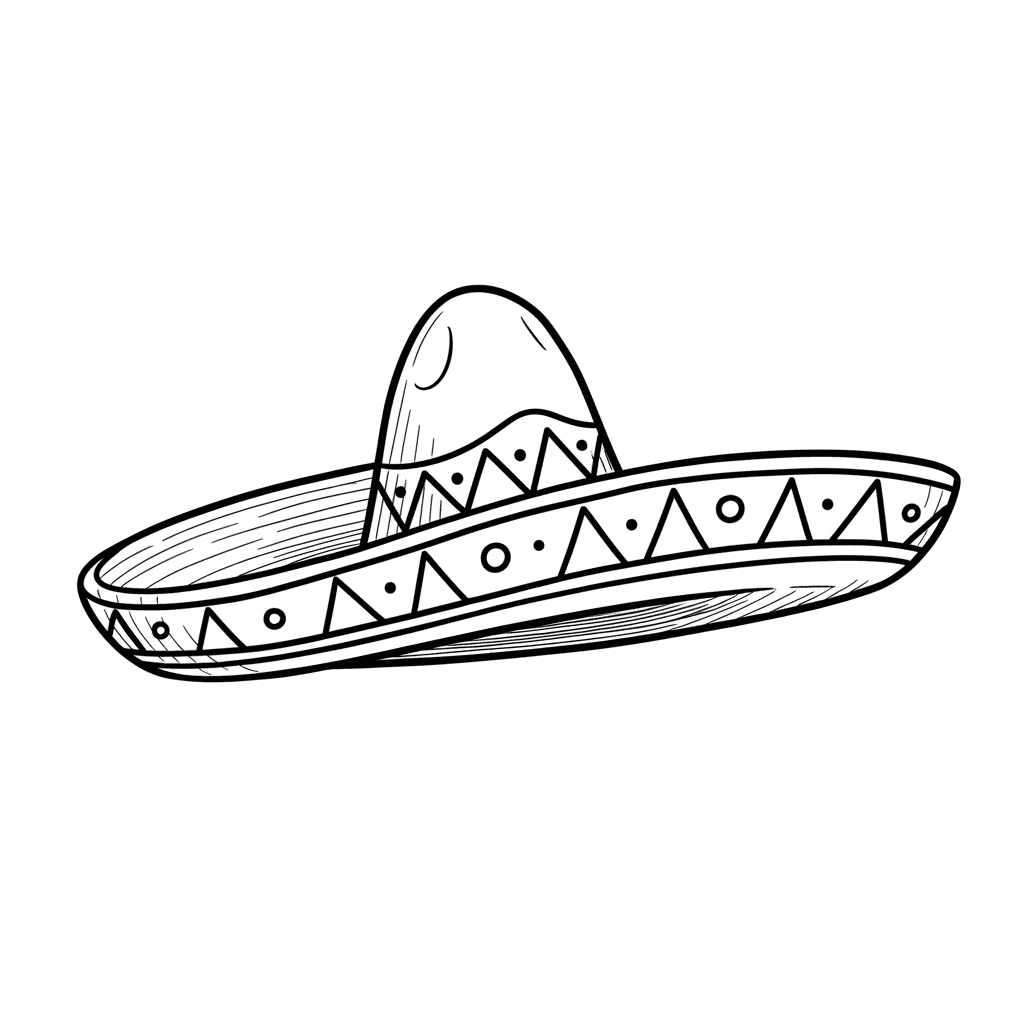
Lightly sketch a large wide semicircle near the middle of the paper to make the sombrero brim.
Step 3
Draw a rounded dome shape centered above the brim to make the hat crown.
Step 4
Add a second curved line inside the brim following its shape to show the brim’s thickness.
Step 5
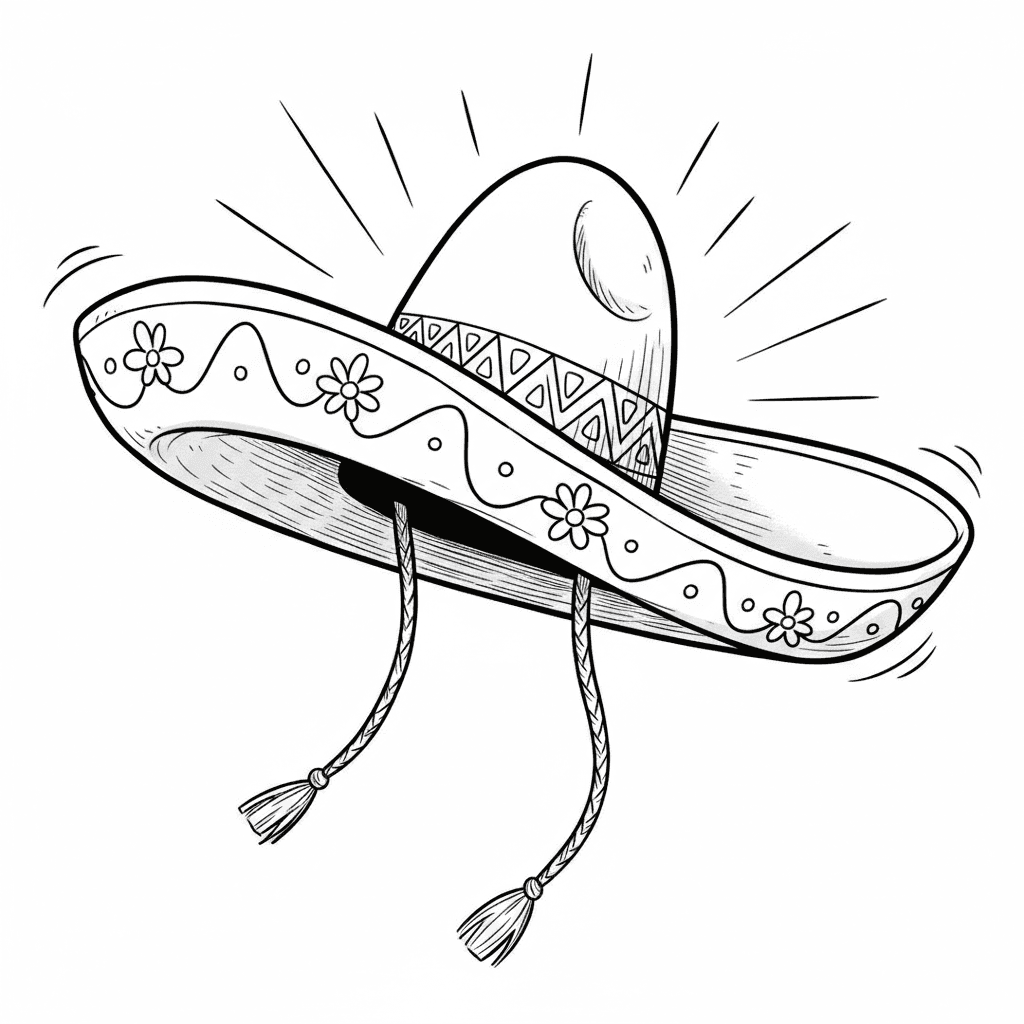
Draw small teardrop or triangle tassels spaced evenly along the outer edge of the brim.
Step 6
Draw two parallel lines around the base of the crown where it meets the brim to make a decorative band.
Step 7
Pick one simple shape like diamonds or dots and draw that shape evenly across the band to practice symmetry.
Step 8
Draw matching curved or zigzag decoration on both left and right sides of the brim to mirror each other.
Step 9
Lightly shade the lower edge of the crown and the inside of the inner brim with soft pencil strokes to add depth.
Step 10
Carefully trace the lines you want to keep with your black marker or pen to make the drawing bold.
Step 11
Wait for the ink to dry completely so it won’t smudge.
Step 12
Gently erase any remaining pencil lines to clean up your drawing.
Step 13
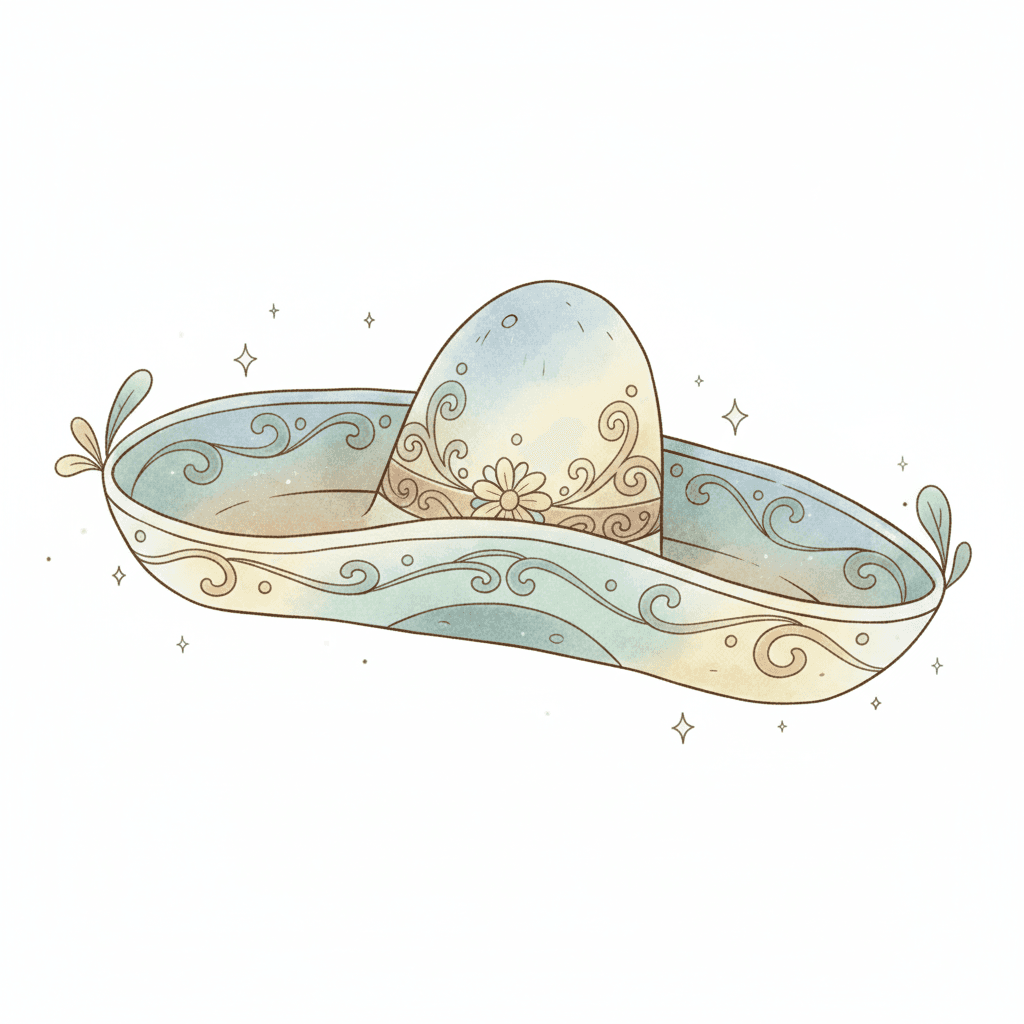
Colour the sombrero and tassels with bright contrasting colours and add small patterns for extra fun.
Step 14
Share your finished creation on DIY.org.
Help!?
What can I use instead of a black marker to trace the final lines?
If you don't have a black marker, carefully trace the lines you want to keep with a dark ballpoint pen, felt-tip marker, or sharpened black colored pencil and then follow the 'wait for the ink to dry' step before erasing.
My semicircle brim or mirrored decorations look uneven—how can we fix that?
Lightly fold the paper or draw a centerline before you 'lightly sketch a large wide semicircle' to keep the brim symmetrical, and practise the 'draw matching curved or zigzag decoration' on scrap paper so both sides match.
How can this drawing be adapted for different ages?
For younger children, pre-draw the wide semicircle and crown and let them add large tassels and bold colours, while older kids can add the 'soft pencil' shading, more detailed band patterns, and precise symmetry work.
How can we make the sombrero more creative or display it after finishing?
Enhance the sombrero by gluing short yarn pieces to the drawn tassels for texture, adding extra patterns to the band before you 'colour the sombrero and tassels', and then photograph it to 'share your finished creation on DIY.org'.
Watch videos on how to draw a sombrero
How to Draw a Sombrero Step by Step
4 Videos
How to Draw a Sombrero Step by Step
How to Draw a Sombrero Cartoon Step-by-Step Drawing Tutorial for Beginners
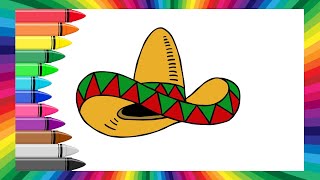
How to Draw a Sombrero 🤠 🌵 EASY Drawing
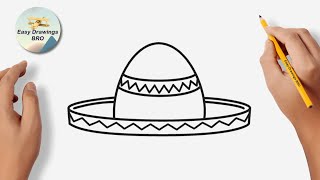
Drawing sombrero tutorial | How to draw a Mexican hat | Easy Drawings BRO
Facts about drawing techniques for kids
☀️ Sombreros have wide brims originally designed to protect wearers from intense sun—great inspiration for drawing big, dramatic shapes.
🎩 Traditional Mexican sombreros are often made from straw or felt and decorated with colorful embroidery and tassels.
💃 The Jarabe Tapatío (Mexican Hat Dance) uses a hat as a playful prop and celebrates Mexican culture and costumes.
🌌 The Sombrero Galaxy (M104) was nicknamed for its bright central bulge and dust lane that look like a giant cosmic hat.
🎨 Many sombreros feature symmetrical patterns and tassels—perfect details to practice observation and shading when you draw.
How do I teach a child to draw a colorful sombrero step-by-step?
What materials do I need to draw a colorful sombrero with my child?
What ages is drawing a sombrero suitable for?
What are the benefits of drawing a sombrero for kids?
