How to draw a snake head - a free snake head drawing guide
Draw a realistic snake head using simple shapes, shading, and scale patterns. Practice sketching details and creating lifelike texture carefully.


Drawing Apps
Photos of snake head drawings
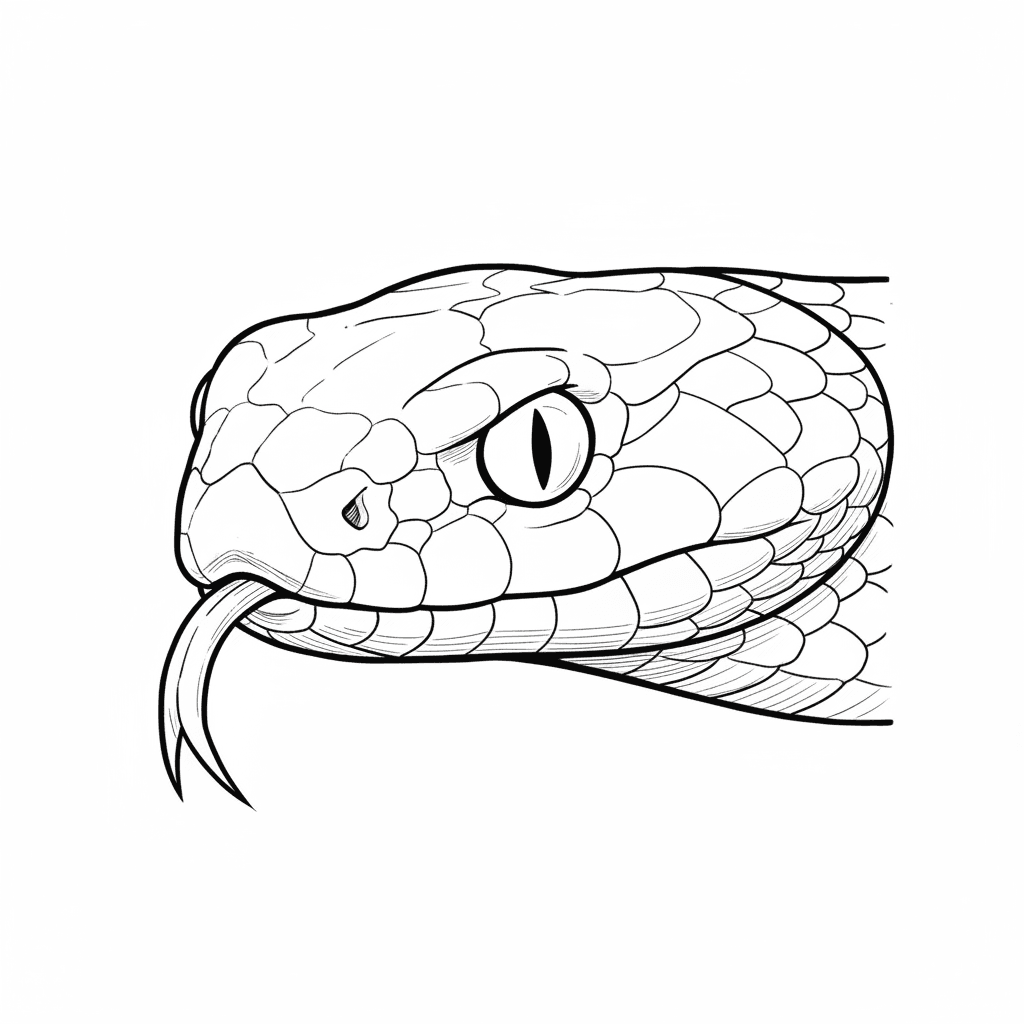
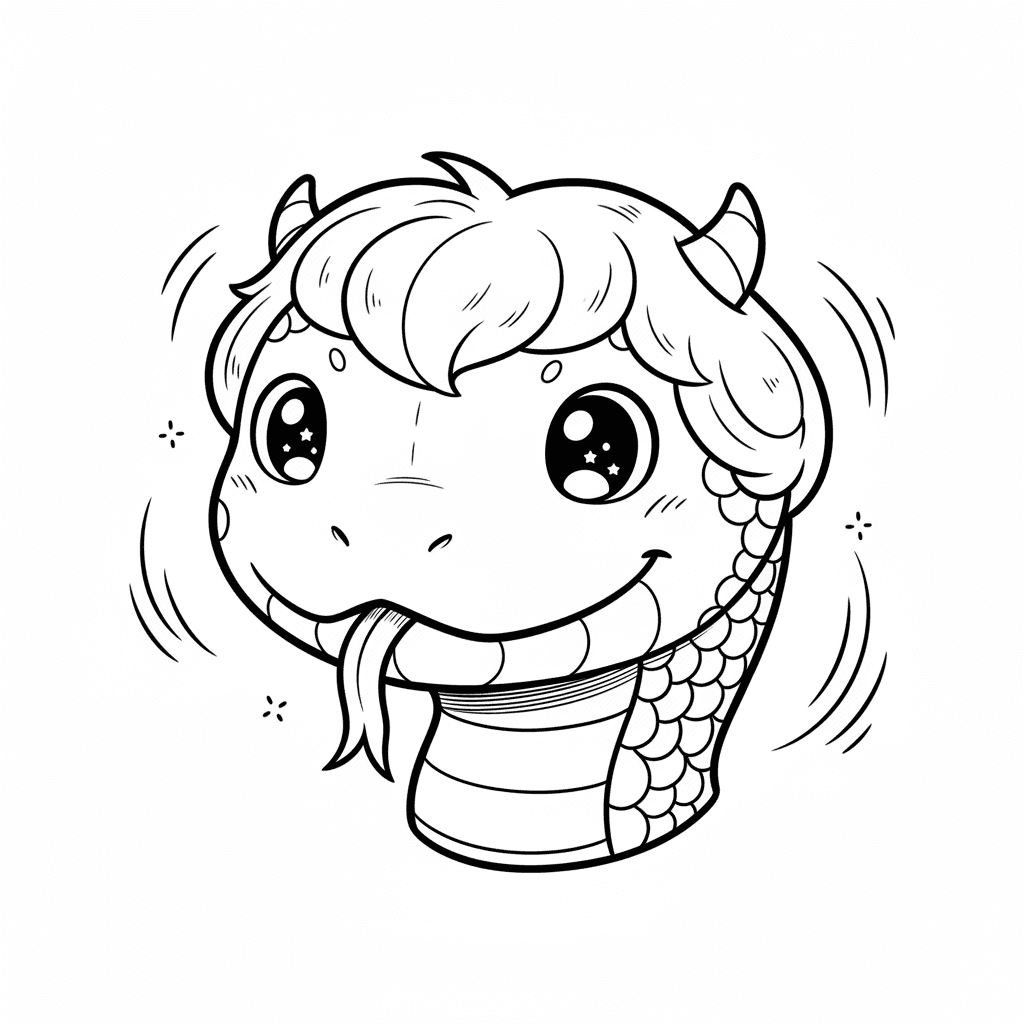
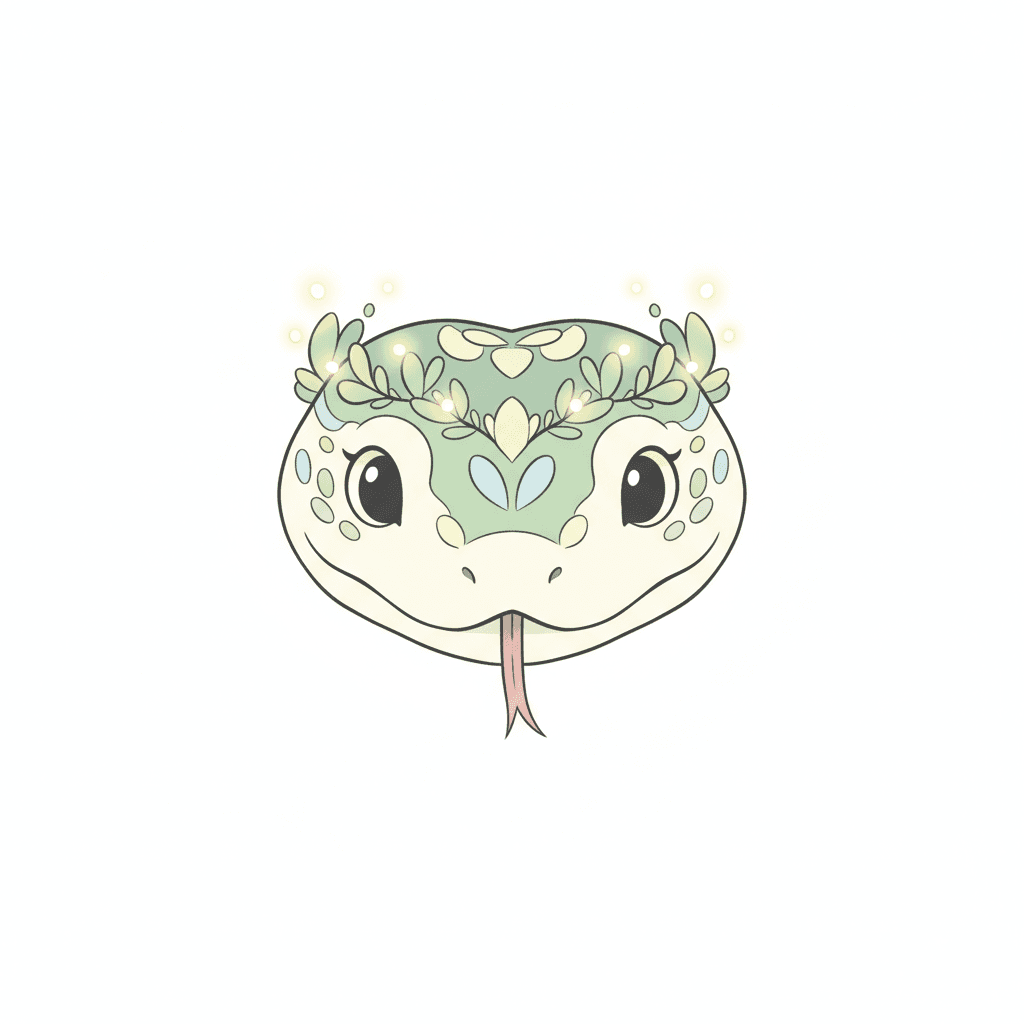
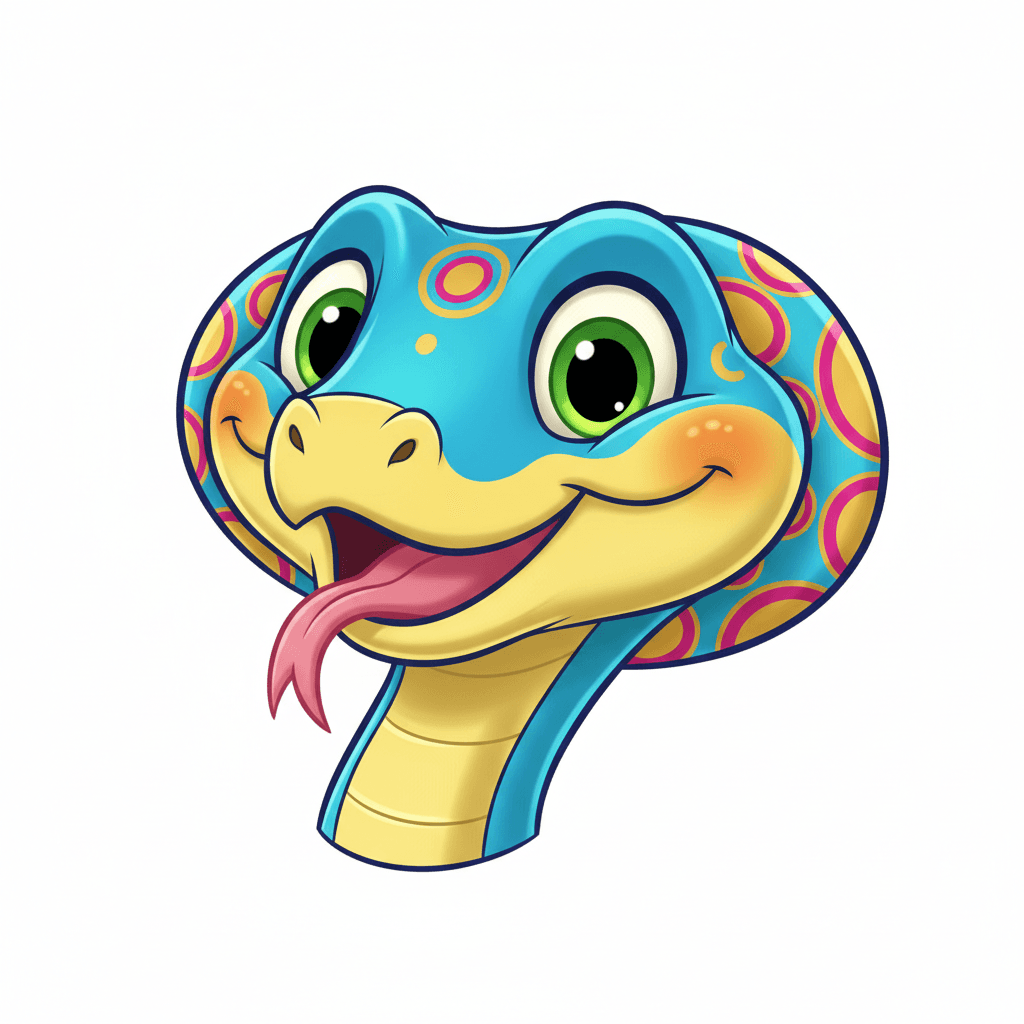
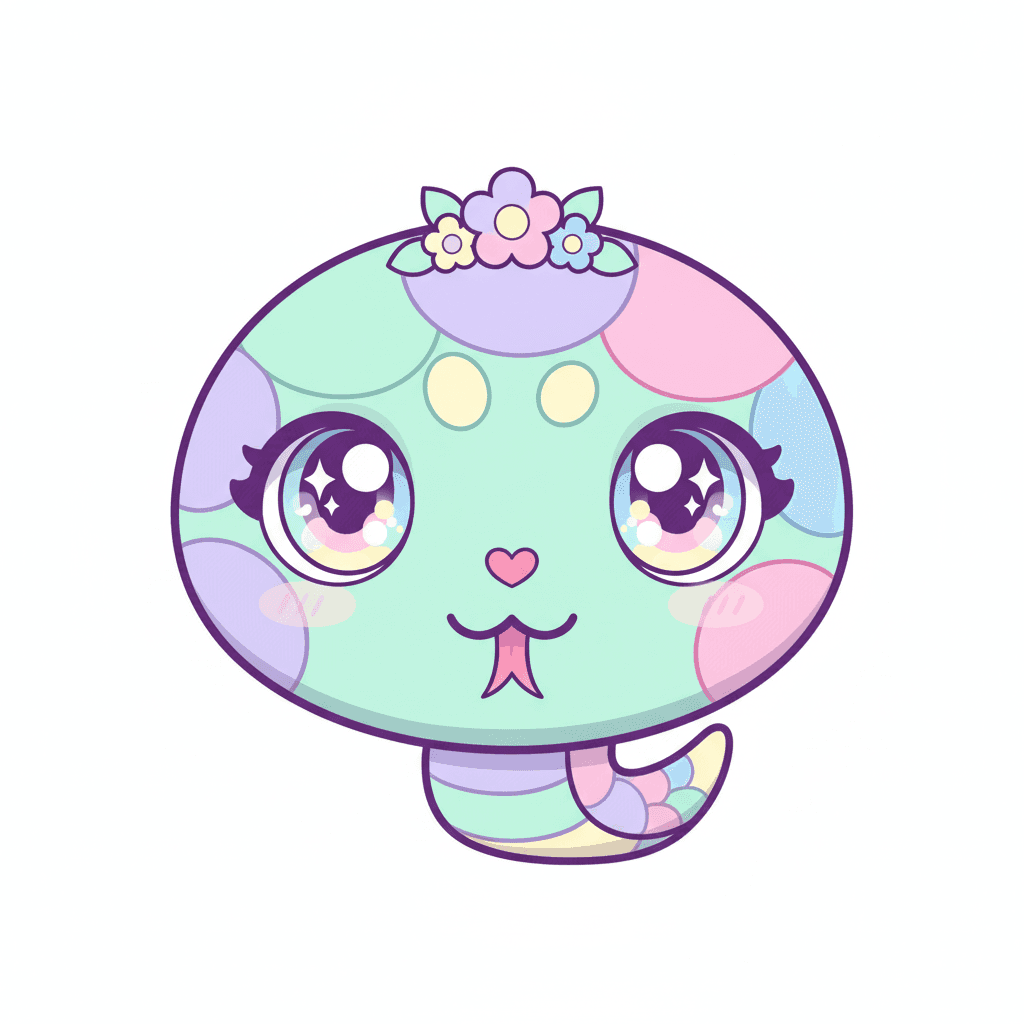
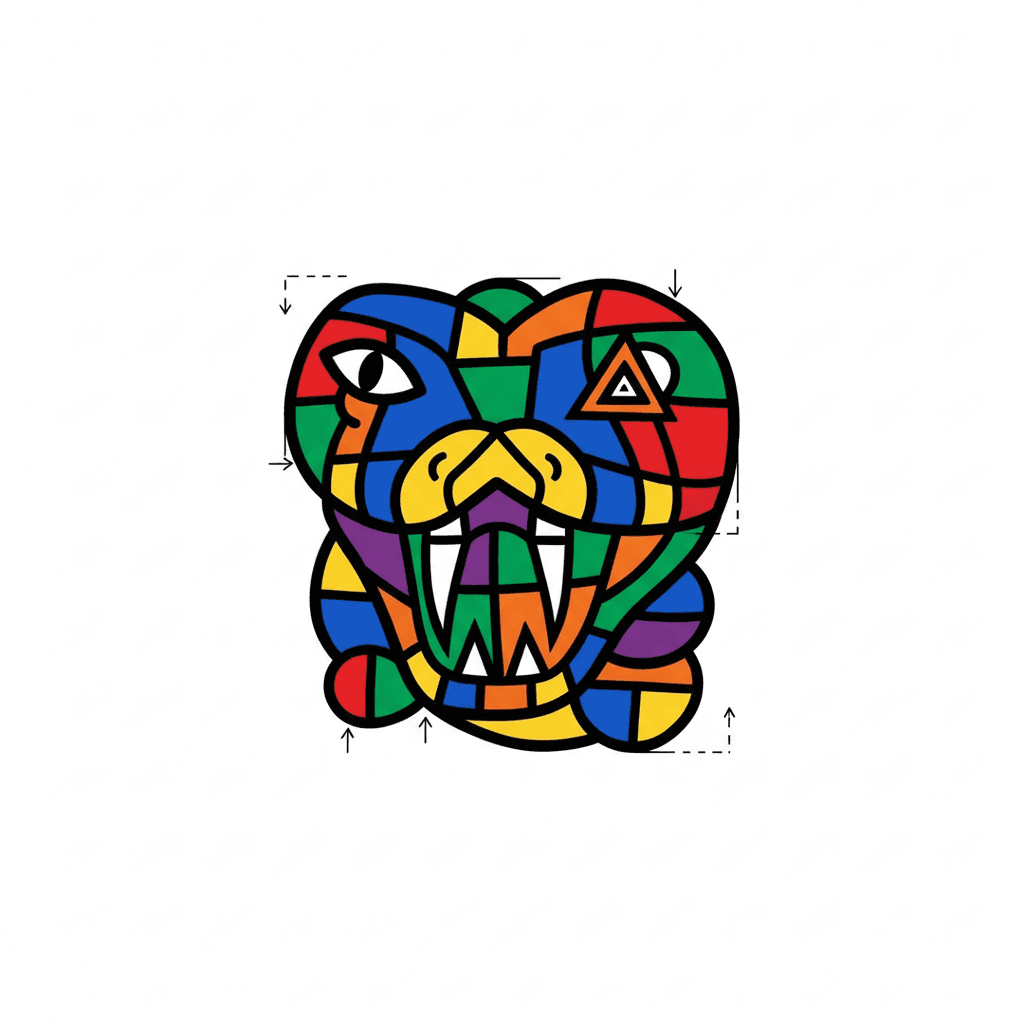
Step-by-step guide to draw a snake head
How to Draw a Snake Drawing Easy Step by Step for Kids and Toddlers
Step 1
Gather your materials and sit at a well-lit table.
Step 2
Lightly draw an elongated teardrop shape for the main outline of the snake head.
Step 3
Draw a vertical center guideline down the head and a horizontal line where the eye will sit.
Step 4
Sketch a curved jawline and a soft mouth line to show the snake’s lower face.
Step 5
Draw an almond-shaped eye on the horizontal guideline and add a round or slit pupil.
Step 6
Draw a small nostril near the tip of the snout using a tiny oval or short slit.
Step 7
Lightly sketch rows of curved scale shapes that follow the head’s contours from snout to back.
Step 8
Make the scales smaller near the snout and eye and slightly larger toward the middle of the head.
Step 9
Decide where the light is coming from and mark the bright side lightly with a pencil dot.
Step 10
Shade the head with your pencils to show form using lighter strokes on the lit side and darker strokes on the shadow side.
Step 11
Darken areas like under the jaw and around the eye for deeper shadows with the 2B pencil.
Step 12
Blend the shaded areas gently with a blending stump or tissue to smooth transitions.
Step 13
Lift tiny highlights from the lit areas by gently erasing small spots and then erase any remaining guidelines.
Step 14
Share your finished snake head drawing on DIY.org
Help!?
What can we use instead of a blending stump or a 2B pencil if we don't have them?
If you don't have a blending stump use a clean tissue, cotton swab, or fingertip to smooth shaded areas, and if you lack a 2B pencil use an HB for lighter shadows or a 4B for darker accents.
My shading looks blotchy or the eye seems off—what should I check?
If shading is blotchy work with lighter pencil strokes and blend gently with a tissue or blending stump, and if the almond-shaped eye is off-center redraw it on the horizontal guideline using the vertical center guideline to realign placement.
How can I adjust this activity for younger or older kids?
For younger children simplify step 2 by tracing or stamping an elongated teardrop and have them color a basic almond-shaped eye, while older kids should follow steps 6–12 adding more scale rows, finer scale sizes near the snout, and use multiple pencil grades for richer shading.
How can we make the snake head more interesting or shareable?
To enhance the drawing add colored-pencil patterns to the larger middle scales, use a hard eraser or white gel pen to lift and sharpen highlights as in step 12, and photograph the finished snake head to share on DIY.org.
Watch videos on how to draw a snake head
How to draw a snake from 2 step by step drawing
4 Videos
How to draw a snake from 2 step by step drawing
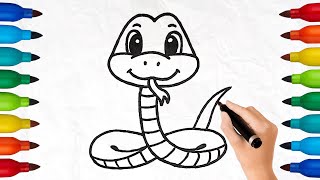
Learn How to Draw a Snake Drawing Easy Step by Step for Kids and Toddlers
![How to Draw a Snake [Step-by-Step]](https://img.youtube.com/vi/NZvo9lvh59c/mqdefault.jpg)
How to Draw a Snake [Step-by-Step]
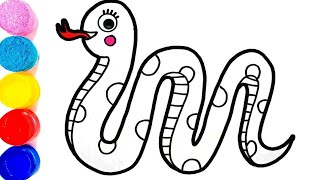
How to Draw Easy Cute Snake Step by Step 🐍 Kids Drawing & Coloring Tutorial
Facts about drawing reptiles
🐍 Snakes' scales overlap like roof tiles — repeating small curved shapes gives a believable scale pattern in drawings.
👁️ Many snakes don't have eyelids; they have a transparent 'spectacle' over the eye, so artists draw a glossy highlight instead of a lid.
✏️ Professional artists often block in complex heads with simple shapes (ovals, circles, triangles) before adding details.
🎨 Shading that follows the curve of the head (curved hatching or smooth gradients) makes a flat sketch appear three-dimensional.
🦎 Natural camouflage uses bands and blotches to break a snake's outline—copying irregular patterns makes drawings look more lifelike.
How do you draw a realistic snake head?
What materials do I need to draw a realistic snake head?
What ages is this snake head drawing activity suitable for?
What are the benefits, safety tips, and variations for drawing a realistic snake head?
