How to Draw a Robin
Draw a robin using simple shapes, correct proportions, shading, and color. Practice observation, texture, and step by step drawing skills.
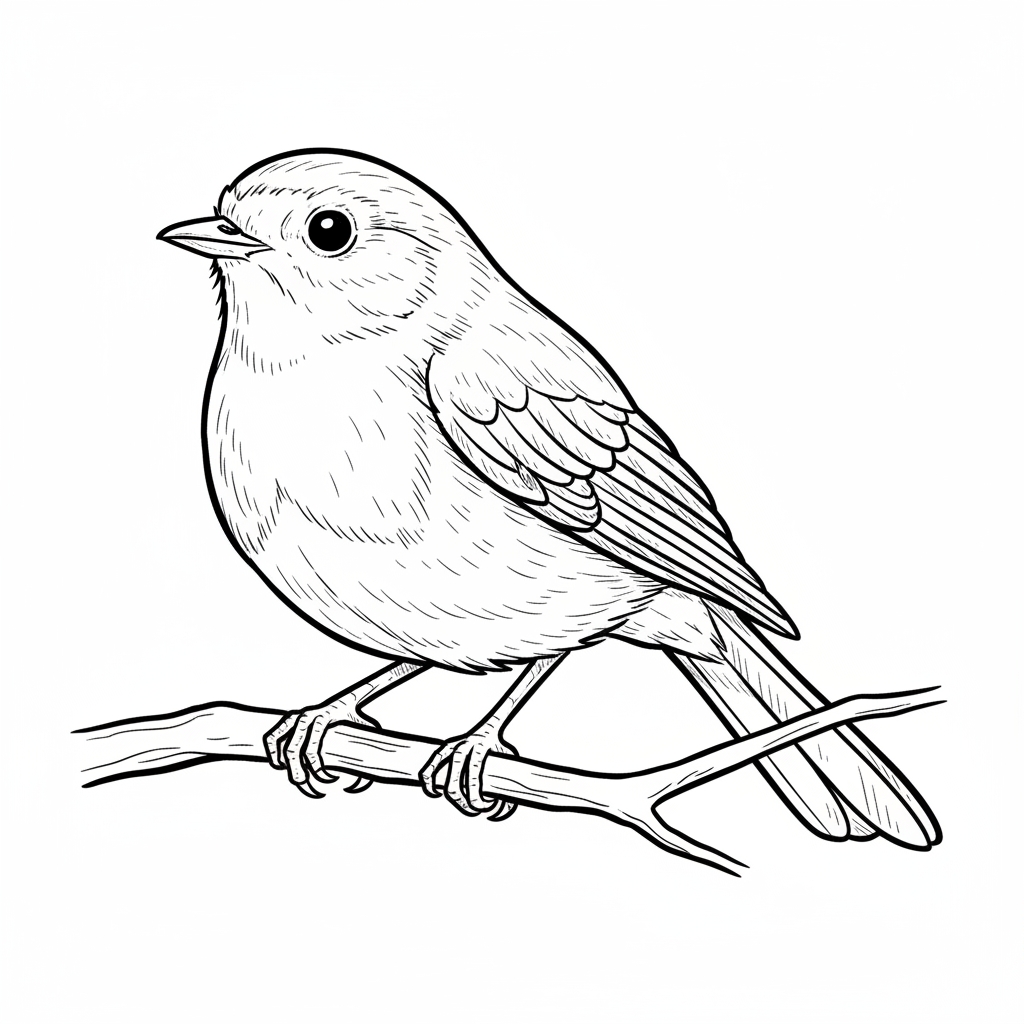
About this tutorial
Draw a robin using simple shapes, correct proportions, shading, and color. Practice observation, texture, and step by step drawing skills.
What you need
Instructions
- 1
Step 1
Find a clear photo or picture of a robin to look at while you draw.
- 2
Step 2
Study the photo for one minute and notice the size of the head the round body the orange chest and the short tail.
- 3
Step 3
Lightly draw a large oval for the robin's body with your pencil.
- 4
Step 4
Lightly draw a smaller circle overlapping the top of the oval for the robin's head.
- 5
Step 5
Draw a short pointed triangle on the head for the beak.
- 6
Step 6
Draw a small circle on the head for the eye.
- 7
Step 7
Draw a short curved line joining the head and body to show the neck.
- 8
Step 8
Draw a long narrow triangle at the back of the oval for the tail.
- 9
Step 9
Draw two thin lines under the body for the legs with three little toes on each line.
- 10
Step 10
Draw a teardrop shape on the side of the body to make the wing.
- 11
Step 11
Trace a smooth single outline around your robin shapes to create the final outer shape.
- 12
Step 12
Erase the inside construction lines so only the clean robin outline remains.
- 13
Step 13
Add short fine pencil strokes on the wings and chest to suggest feather texture.
- 14
Step 14
Lightly shade the back and head and then color the robin to match your photo using orange on the chest and darker colours on the back and tail; blend gently with a tissue if you like.
- 15
Step 15
Share your finished robin drawing on DIY.org
Get inspired
Fun facts
How do I draw a robin step-by-step with my child?
Start by sketching simple shapes: a small circle for the head and a larger oval for the body. Add a guideline for the beak and a line for the tail. Place the eye halfway down the head and draw a short triangular beak. Mark the wing with a curved teardrop. Refine outlines, erase guidelines, add feather texture with short strokes, then shade for form (light source on one side). Finish with orange-red breast, brown back, and subtle highlights.
What materials do I need to draw a robin with my child?
You’ll need plain drawing paper or a sketchbook, a range of pencils (HB and 2B), a soft eraser and sharpener. For color use colored pencils, watercolor pencils, or washable markers and a small brush if using paint. Optional: a blending stump or cotton swab for shading, a fine black pen for outlines, and a printed photo or drawing reference of a robin. A ruler or round object helps with initial shapes.
What ages is drawing a robin suitable for?
This activity suits many ages with adjustments: preschoolers (3–5) can practice simple shapes and coloring; early elementary (6–8) can follow step-by-step shapes and add basic shading; older kids (9–12+) can focus on correct proportions, detailed feather texture, and color blending. Tailor complexity, supervise younger children with scissors or paint, and offer praise to build confidence at every level.
What are the benefits of drawing a robin with children?
Drawing a robin improves observation, hand-eye coordination, and fine motor skills while teaching proportions and shading. It encourages patience and concentration, enhances color recognition, and introduces texture techniques like short strokes for feathers. Working from a reference builds scientific observation and nature appreciation. It also supports creativity and confidence as children see progress from simple shapes to a finished bird.
Watch & Learn
Need help?
What can we use instead of a printed photo, colored pencils, or a tissue for blending?
Use a clear photo on a phone or tablet for the 'Find a clear photo' step, swap crayons or markers for colored pencils to color the orange chest and darker back, and blend gently with your fingertip or a scrap of paper if you don't have a tissue.
My robin's head doesn't look connected to the body—how do we fix the head, neck, and overlapping shapes?
Lighten your pencil marks, redraw the smaller circle so it overlaps the top of the oval and adjust the short curved line joining the head and body to create a natural neck before tracing the smooth single outline and erasing construction lines.
How can I adapt this drawing for younger or older children?
For preschoolers, pre-draw the large oval and teardrop wing for them to color the orange chest with crayons, while older kids should draw the overlapping head and body themselves, add short fine pencil feather strokes on the wings and chest, and practice light shading and blending on the back and head with a tissue as described.
How can we make the robin drawing more creative or display-worthy?
Personalize the clean robin outline by adding a branch and nest under the long narrow triangle tail, paint a background gradient before blending the orange chest, or glue small twigs as a perch and then share your finished robin drawing on DIY.org.