How to draw a hydrangea - a free hydrangea drawing guide
Draw a hydrangea step-by-step using pencil and watercolor to learn shapes, shading, and color layering for realistic flower clusters. Follow guided steps.


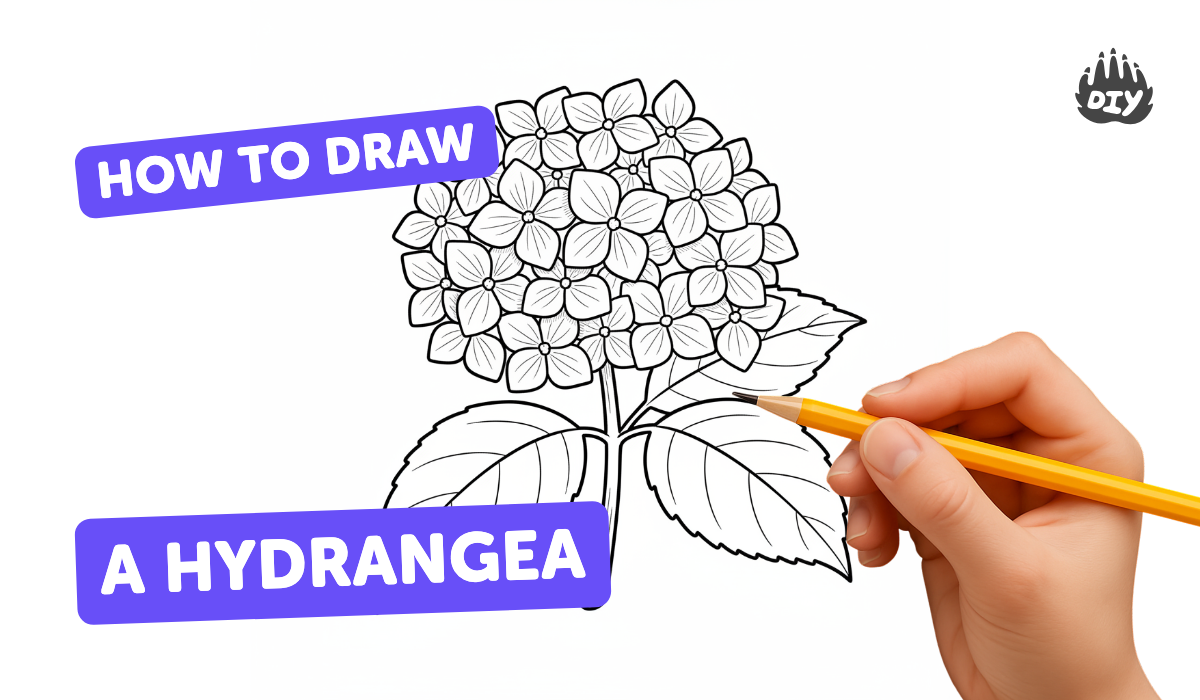
Step-by-step guide to draw a hydrangea
How to Draw a Hydrangea Flower Easy
Step 1
Gather your materials and place them on a flat table so everything is within reach.
Step 2
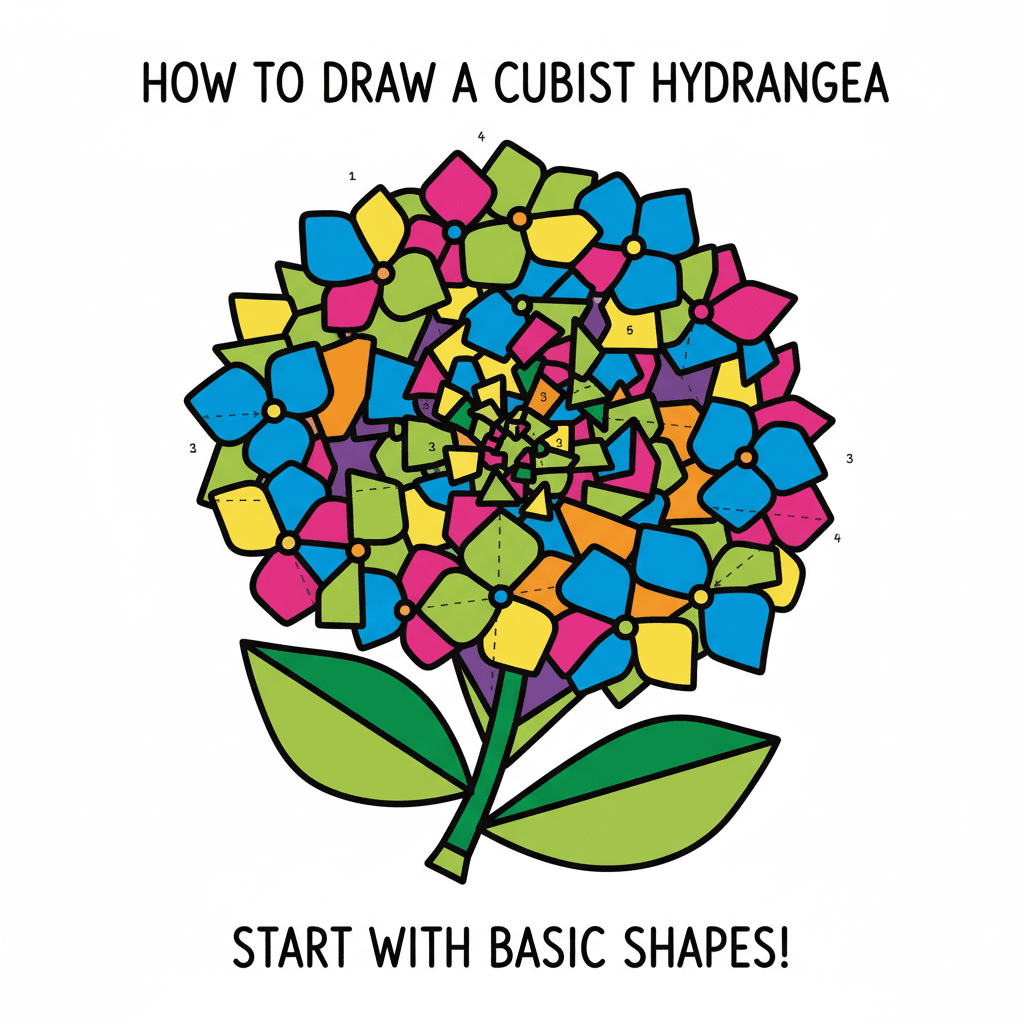
Lightly sketch several overlapping circles to map where the hydrangea flower cluster will sit.
Step 3
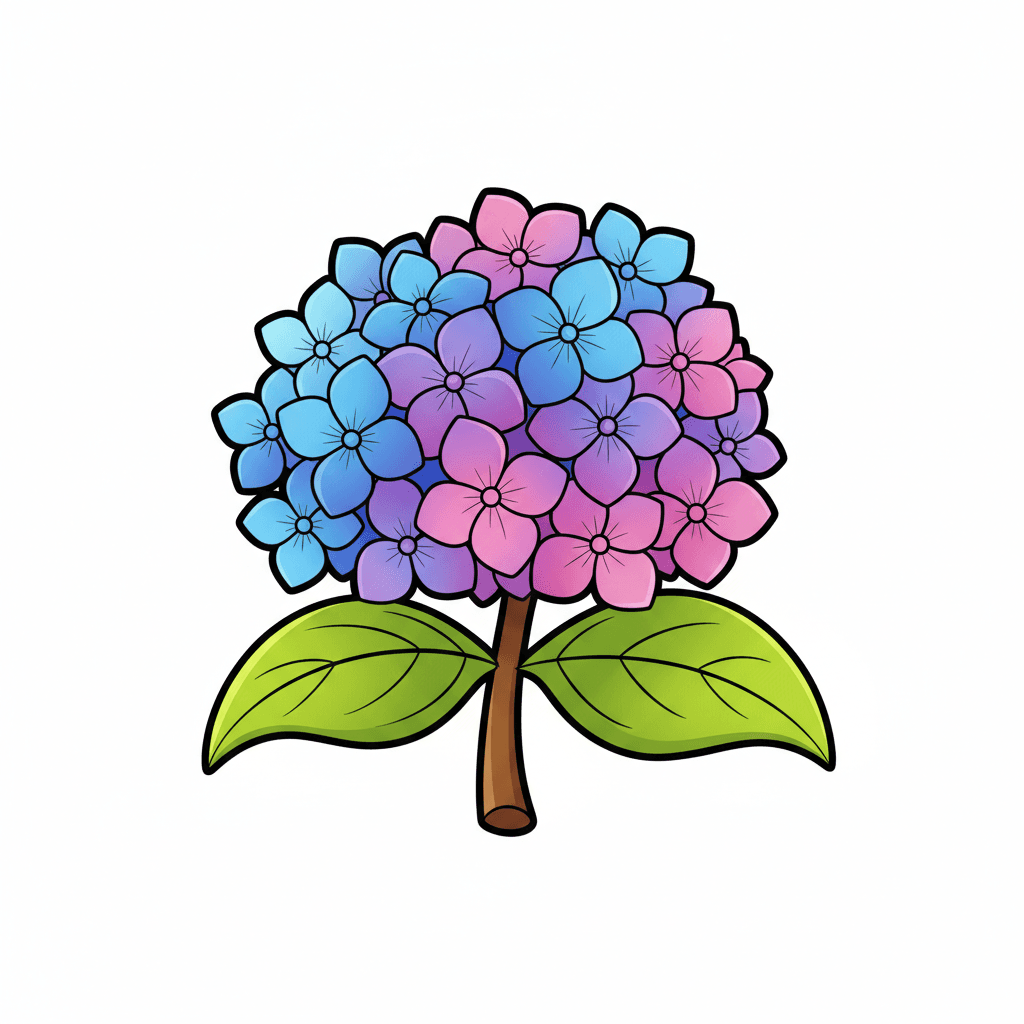
Inside each circle draw 4 to 6 rounded petals to form the little florets.
Step 4
Add a tiny dot or small circle in the center of each floret to mark the flower center.
Step 5
Sketch 3 or 4 leaves behind the flower cluster with slightly jagged edges.
Step 6
Use soft pencil strokes to add light shading to the undersides and centers of some petals to show shadows.
Step 7
Mix a very pale base color on your palette by adding lots of water to a little paint.
Step 8
Apply a light wash of the pale base color to each petal with a clean brush.
Step 9
Let the paint dry completely before you touch the paper.
Step 10
Mix a slightly darker shade on the palette for shadows and depth.
Step 11
Paint darker washes only where you shaded with pencil to deepen the petal shadows.
Step 12
Paint a green base wash on the leaves and let it dry.
Step 13
Add darker green strokes on the leaves to make veins and shadows.
Step 14
Take a photo of your finished hydrangea and share it on DIY.org.
Help!?
What can I use if I don't have watercolor paint, a palette, or a fine brush?
If you don't have watercolor paint or a palette, substitute diluted food coloring or watered-down acrylics and use a clean household brush or even a sponge to apply the light wash to each petal as directed.
My darker washes keep bleeding into the pale base—how do I stop that?
When following 'mix a slightly darker shade' and 'paint darker washes only where you shaded', wait until the pale base color is completely dry or gently speed drying with a hairdryer on low to prevent the darker paint from bleeding.
How can I adapt this hydrangea drawing for different ages?
For younger kids, have them color pre-drawn overlapping circles and place stickers for the tiny centers, while older kids can carefully sketch 4–6 petals per floret and try wet-on-wet watercolor blending for deeper petal shadows.
How can we extend or personalize the finished hydrangea before sharing it on DIY.org?
After painting the leaves and petals and letting them dry, personalize the piece by adding a soft background wash, dabbing in complementary colors on select florets, or sprinkling salt on wet paint to create textured effects before photographing it.
Watch videos on how to draw a hydrangea
How to Draw a Hydrangea Flower in a Few Easy Steps: Drawing Tutorial for Beginner Artists
4 Videos
How to Draw a Hydrangea Flower in a Few Easy Steps: Drawing Tutorial for Beginner Artists
How to draw Hydrangea like a PRO🎉 | Drawing easy | Flower doodle | Tutorial for beginners
Learn to draw a Hydrangea - Part of my "Draw My Plants" series
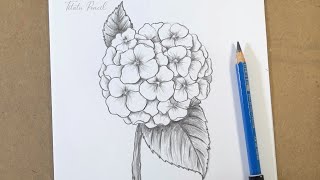
How to draw Hydrangea flower step by step easy | Pencil Drawing
Photos of hydrangea drawing examples
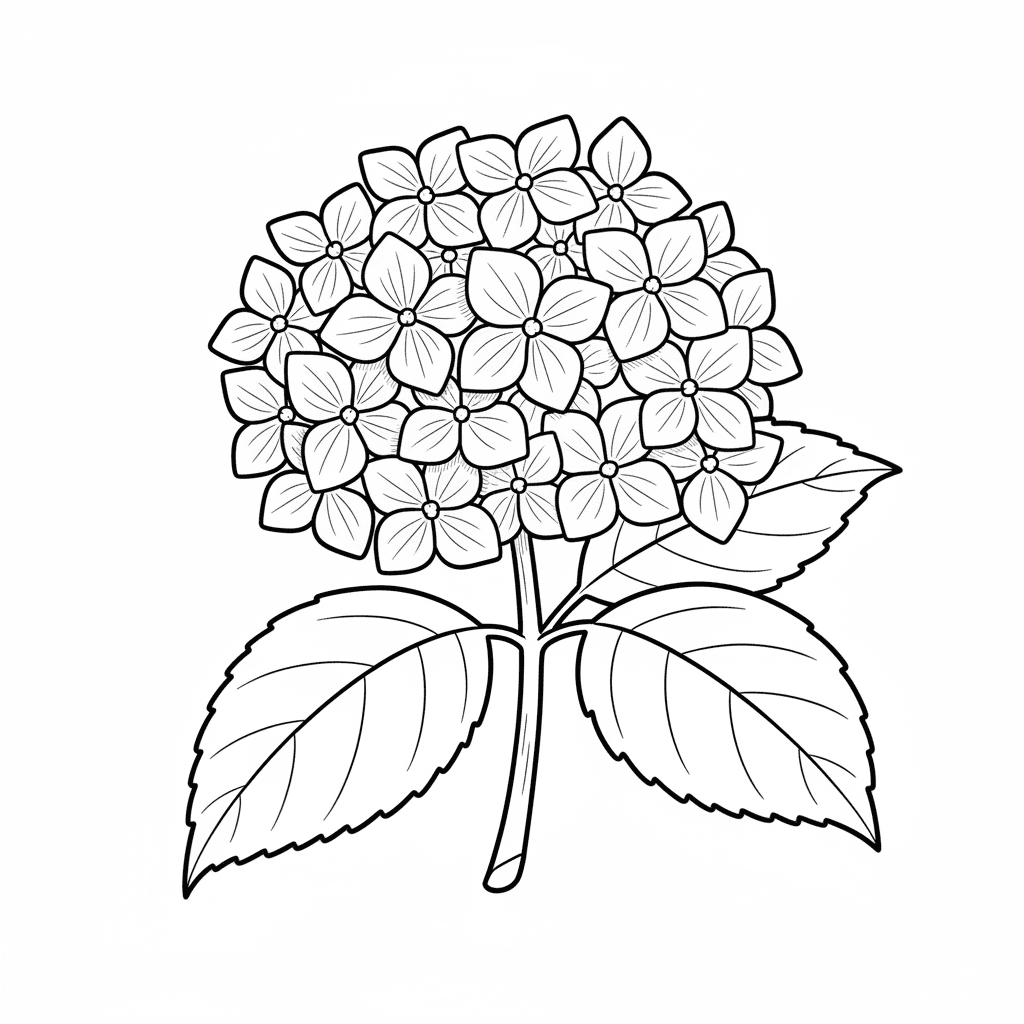
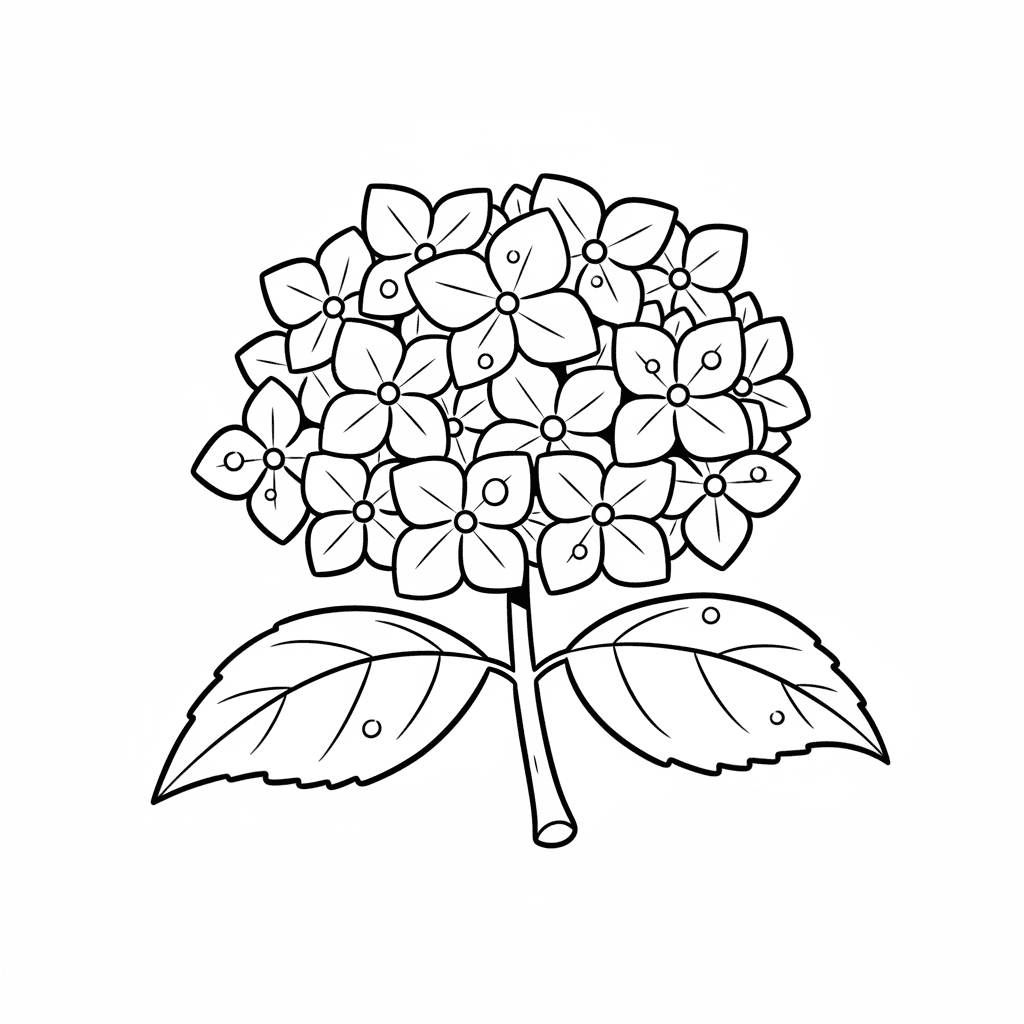
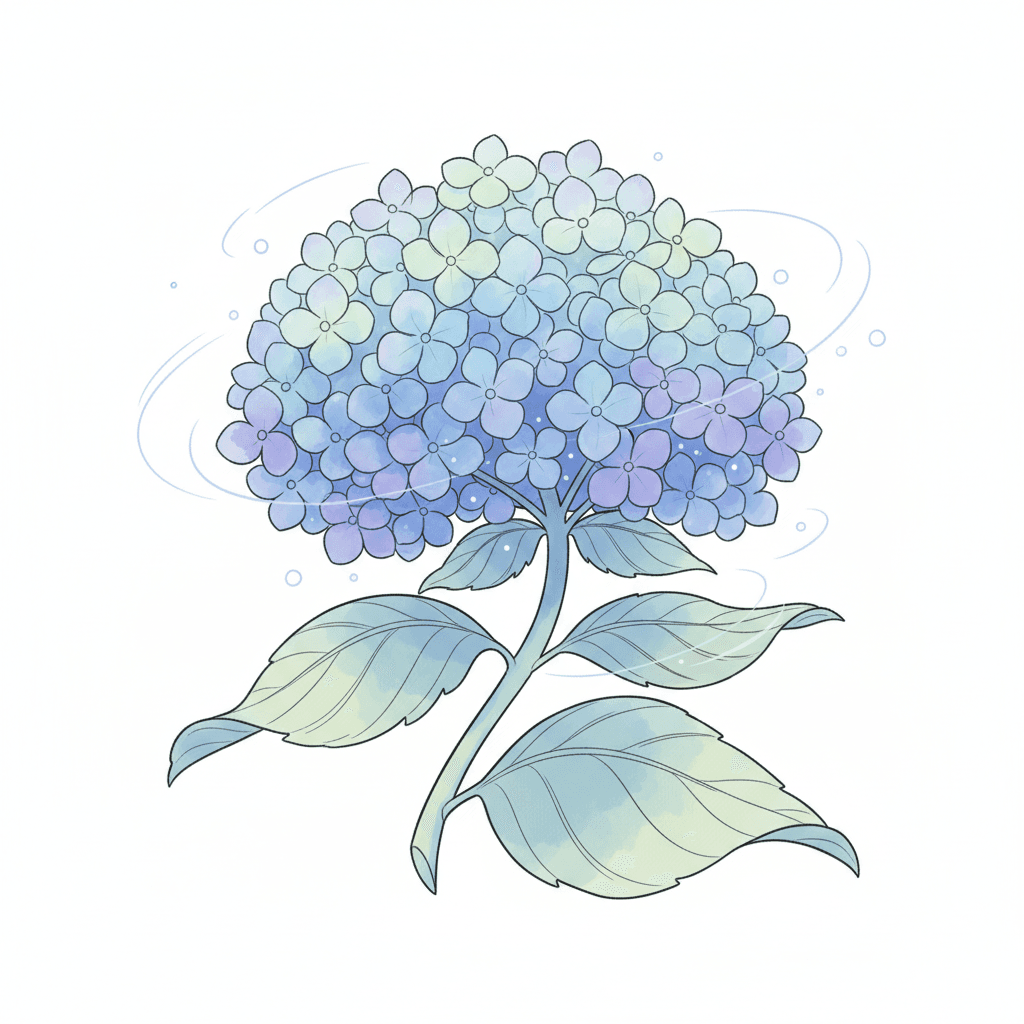

Facts about botanical drawing and watercolor
🌸 Hydrangea flower color can change from pink to blue depending on soil pH and how much aluminum the plant can absorb.
🌺 What looks like one big hydrangea bloom is actually a cluster of dozens (sometimes hundreds) of tiny individual florets.
🖼️ Watercolor painting became a favorite medium for botanical illustrators in the 18th century because of its delicate transparency.
🌈 Watercolors build depth through transparent layers — artists 'glaze' colors so they mix optically rather than covering beneath layers.
✏️ Artists use a range of pencil grades (for example HB to 6B) and light feathering strokes to create soft petal shading.
How do I draw a hydrangea step-by-step with pencil and watercolor?
What materials do I need to draw a hydrangea with pencil and watercolor?
What ages is this pencil-and-watercolor hydrangea activity suitable for?
What are the benefits of drawing hydrangeas, and are there safety tips or variations?
