How to Draw a Glass Frog
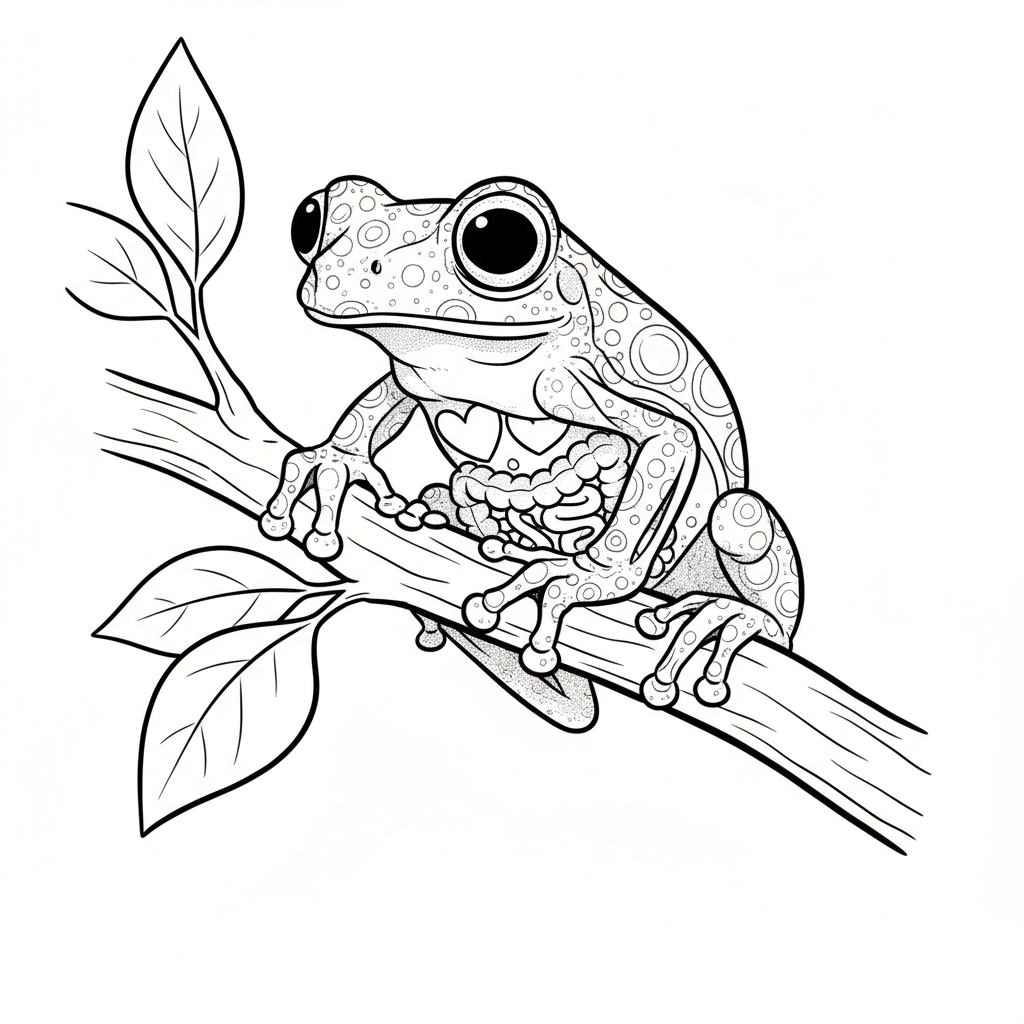
Draw a detailed glass frog using pencil, ink, and colored pencils. Learn to sketch shapes, add transparent shading, and finalize with highlights and habitat details.
About this tutorial
Draw a detailed glass frog using pencil, ink, and colored pencils. Learn to sketch shapes, add transparent shading, and finalize with highlights and habitat details.
What you need
Instructions
- 1
Step 1
Lightly sketch the frog’s basic shapes: draw an oval for the body and a smaller circle for the head with faint guidelines for leg placement.
- 2
Step 2
Refine the outline by connecting the shapes into a smooth frog silhouette and erase extra overlapping lines.
- 3
Step 3
Draw the frog’s legs and webbed toes with gentle curved lines showing bend and placement.
- 4
Step 4
Add the eyes on top of the head by sketching large rounded eye shapes and mark pupil positions lightly.
- 5
Step 5
Draw a soft oval on the frog’s belly to show the transparent area and sketch very light simple shapes inside for the hint of internal forms.
- 6
Step 6
Sketch a leaf or branch underneath the frog to place it in its habitat using simple curved lines.
- 7
Step 7
Ink only the final outer lines and important details with your fine liner pen and keep the pen steady for smooth strokes.
- 8
Step 8
Wait a few minutes for the ink to dry completely.
- 9
Step 9
Gently erase the pencil guide lines so only your inked drawing and light belly shapes remain.
- 10
Step 10
Lay down a light base of colored pencil on the frog’s skin using soft layers to build color gradually.
- 11
Step 11
Add transparent shading by layering more light color over the body while keeping the belly area paler so it looks see-through.
- 12
Step 12
Use a white gel pen or white colored pencil to add bright highlights on the eyes the belly and dew drops then share your finished creation on DIY.org
Get inspired
Fun facts
How do I draw a detailed glass frog using pencil, ink, and colored pencils?
Start by lightly sketching the glass frog’s basic shapes: rounded head, large eyes, oval body, and limb positions. Refine contours and add webbed toes, belly translucency, and internal shapes like organs or bones as subtle lines. Ink key lines with fine-liners, varying line weight for depth. Use colored pencils in light layers—greens, yellows, pale blues—build transparent shading with layering and cross-hatching. Keep highlights by leaving paper white or lifting color; finish habitat details lik
What materials do I need to draw a glass frog?
Materials: sketch pencils (HB and 2B), a soft eraser and kneaded eraser for lifting highlights, fine-tip ink pens (0.1–0.5 mm), a set of colored pencils including greens, yellows, blues, browns, and white, a sharpener, blending stump or tortillon, smooth drawing paper or Bristol board, a white gel pen for highlights, and a reference photo of a glass frog. Optional: lightbox for tracing and a fixative spray to protect the finished drawing.
What ages is drawing a glass frog suitable for?
Drawing a detailed glass frog suits children roughly 7 and up. Ages 7–9 can practice basic shapes, simple shading, and color layering with adult help. Ages 10–14 will handle finer ink work, transparent shading, and habitat details independently. Younger kids (4–6) can enjoy simplified versions: bold outlines and single-color pencils. Always supervise use of sharp tools and inks; adapt instruction to skill level to keep it fun rather than frustrating.
What are the benefits of drawing a glass frog?
Drawing a glass frog boosts fine motor skills, observational drawing, and color-mixing techniques needed to portray translucency. It teaches layering, light and shadow, and patience while reinforcing knowledge about amphibian anatomy and habitats. The project encourages concentration, confidence as skills improve, and creativity when adding habitat details. It’s also a gentle way to discuss conservation and respect for wildlife, connecting art with science learning.
Watch & Learn
Need help?
What can we use if we don't have a fine liner pen or a white gel pen?
If you don't have a fine liner pen, use a sharp mechanical pencil or a thin-tipped ballpoint to ink only the final outer lines, and substitute a tiny dab of white acrylic paint or a soft white pastel for highlights on the eyes, belly, and dew drops instead of a white gel pen or white colored pencil.
My ink smudges or pencil guide lines won't erase cleanly — what should I do?
To avoid smudging and hard-to-erase marks, wait the recommended few minutes for the ink to dry fully, blot excess ink with scrap paper if needed, and then gently erase the light pencil guidelines with a soft eraser as instructed so only your inked drawing and light belly shapes remain.
How can this activity be adjusted for younger or older kids?
For younger children, simplify by sketching large ovals and circles and coloring with crayons without inking, while older kids can refine the silhouette, carefully draw webbed toes, add hintsof internal shapes in the belly, layer colored pencils for transparent shading, and finish with white gel-pen highlights as described.
How can we extend or personalize the glass frog drawing?
Extend and personalize the project by adding a detailed leaf or branch habitat, experimenting with a light watercolor wash under the colored pencil to emphasize the see-through belly, creating unique color patterns or extra internal shapes inside the belly, and then share your finished creation on DIY.org as the instructions suggest.