How to draw a doll - a free doll drawing guide
Draw a simple doll step-by-step using pencil and color. Practice proportions, facial features, and clothing design to build drawing skills.


Drawing Apps
Photos of doll drawing examples
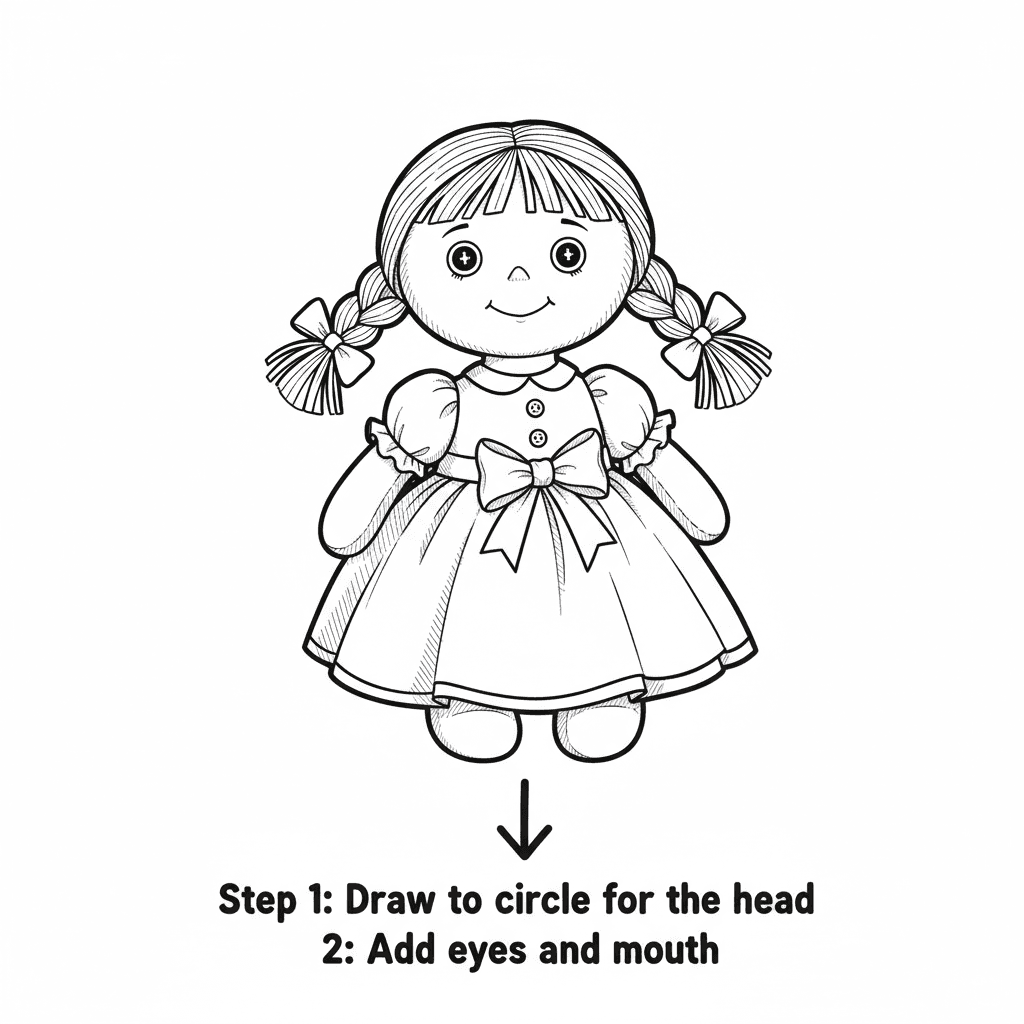
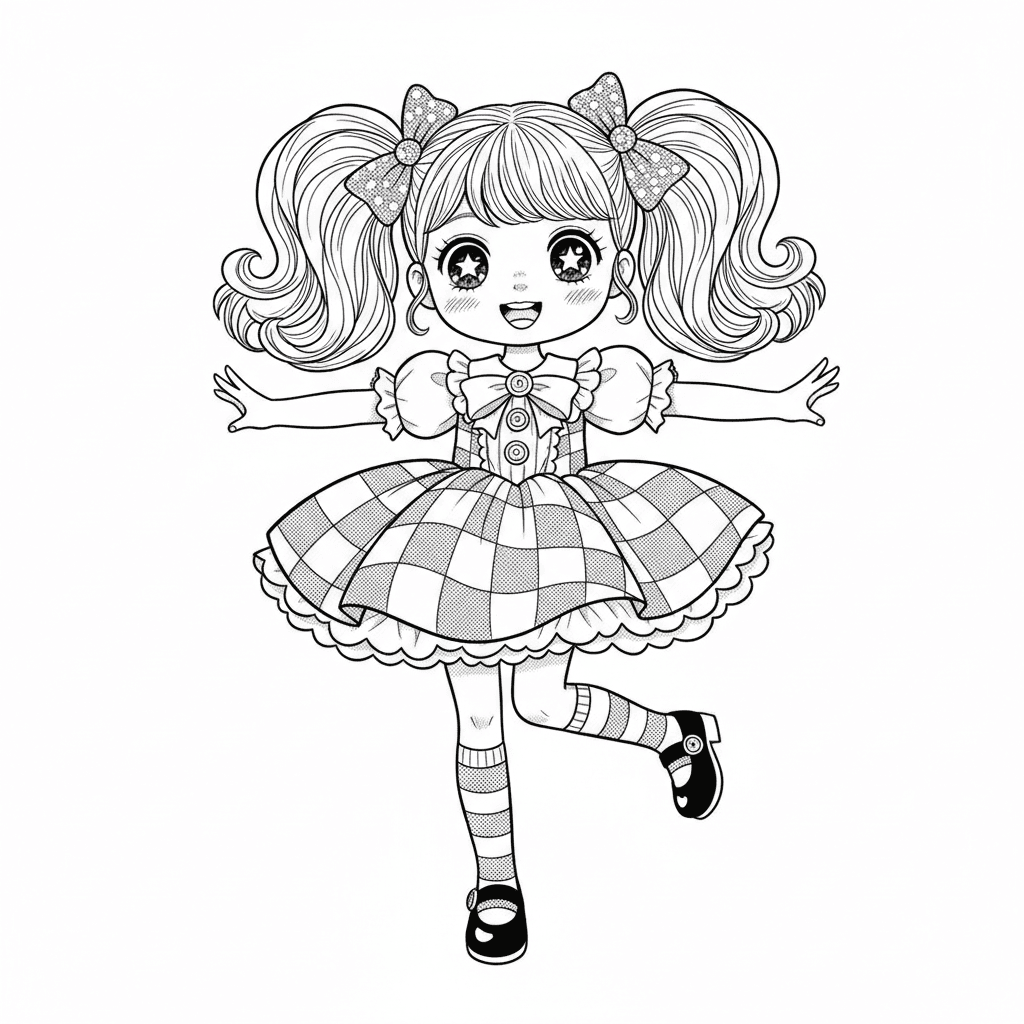
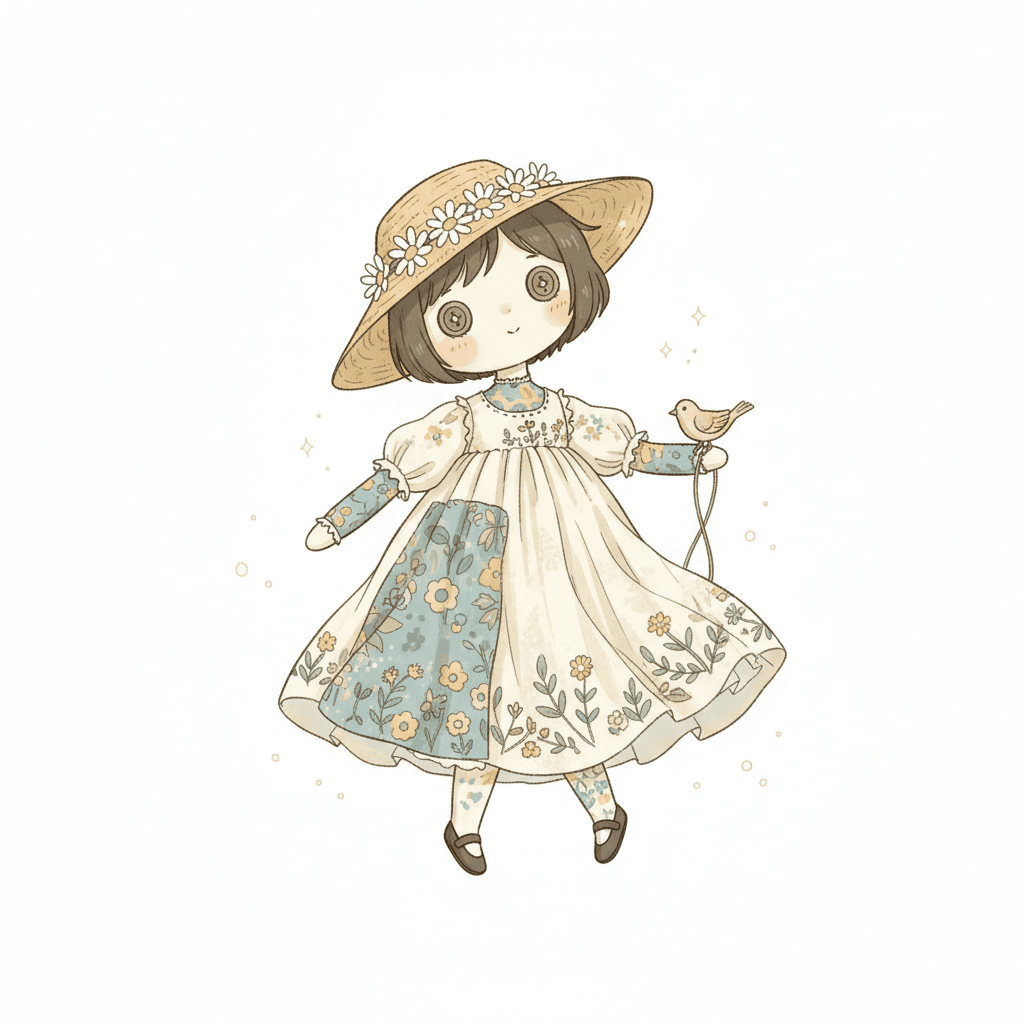
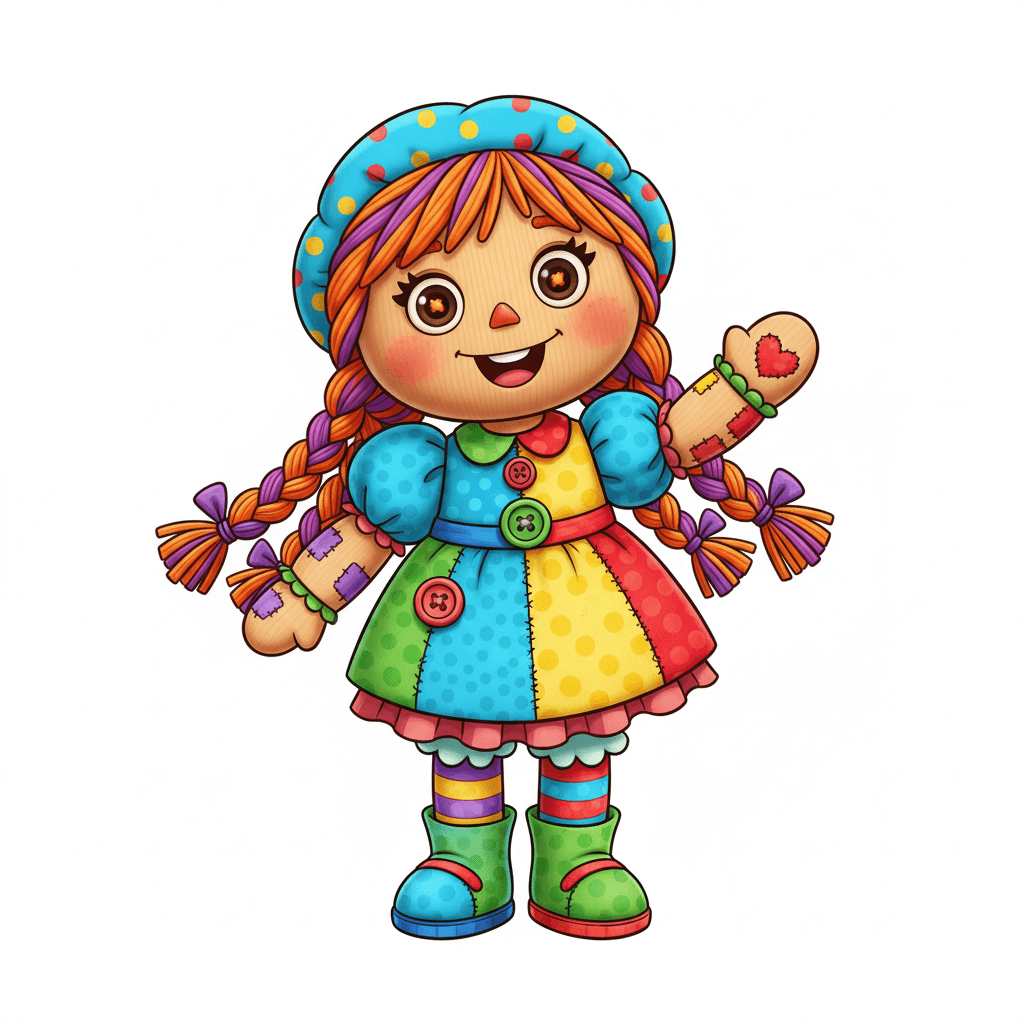
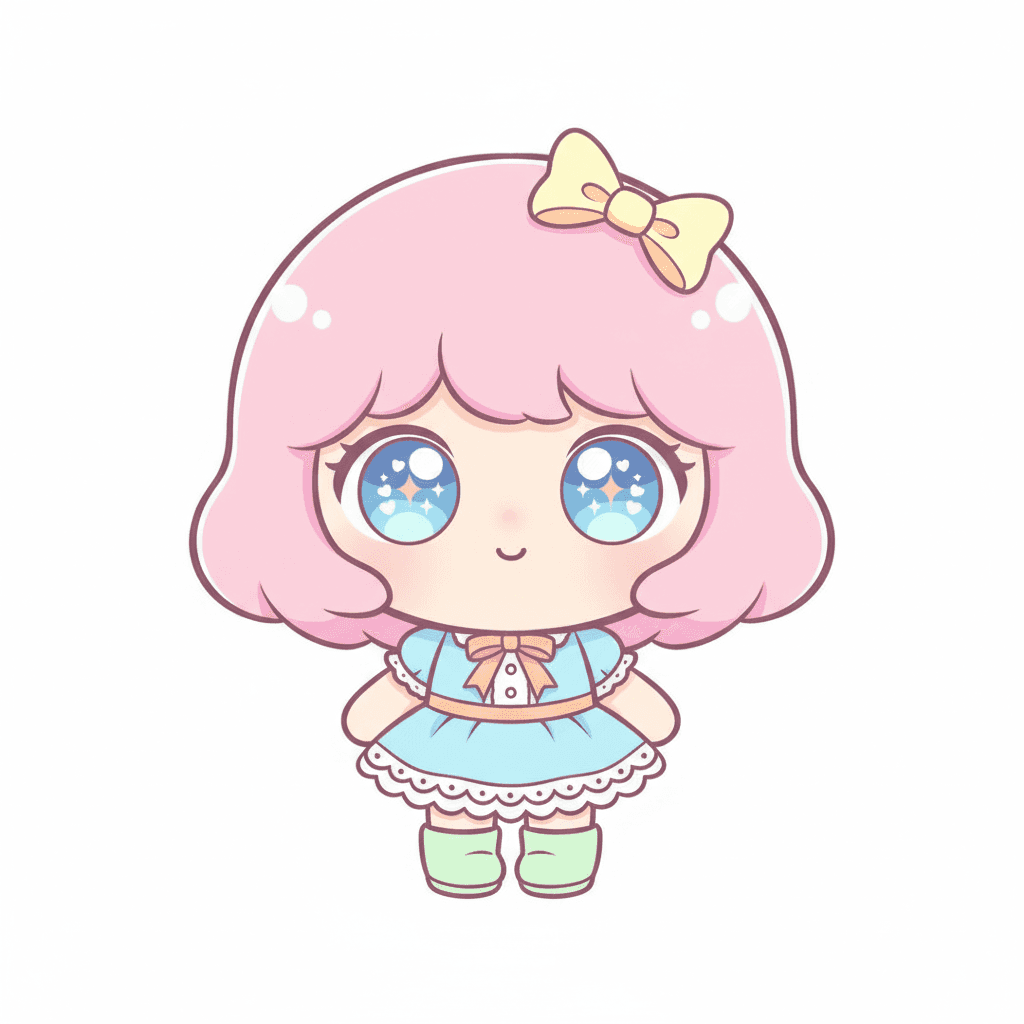
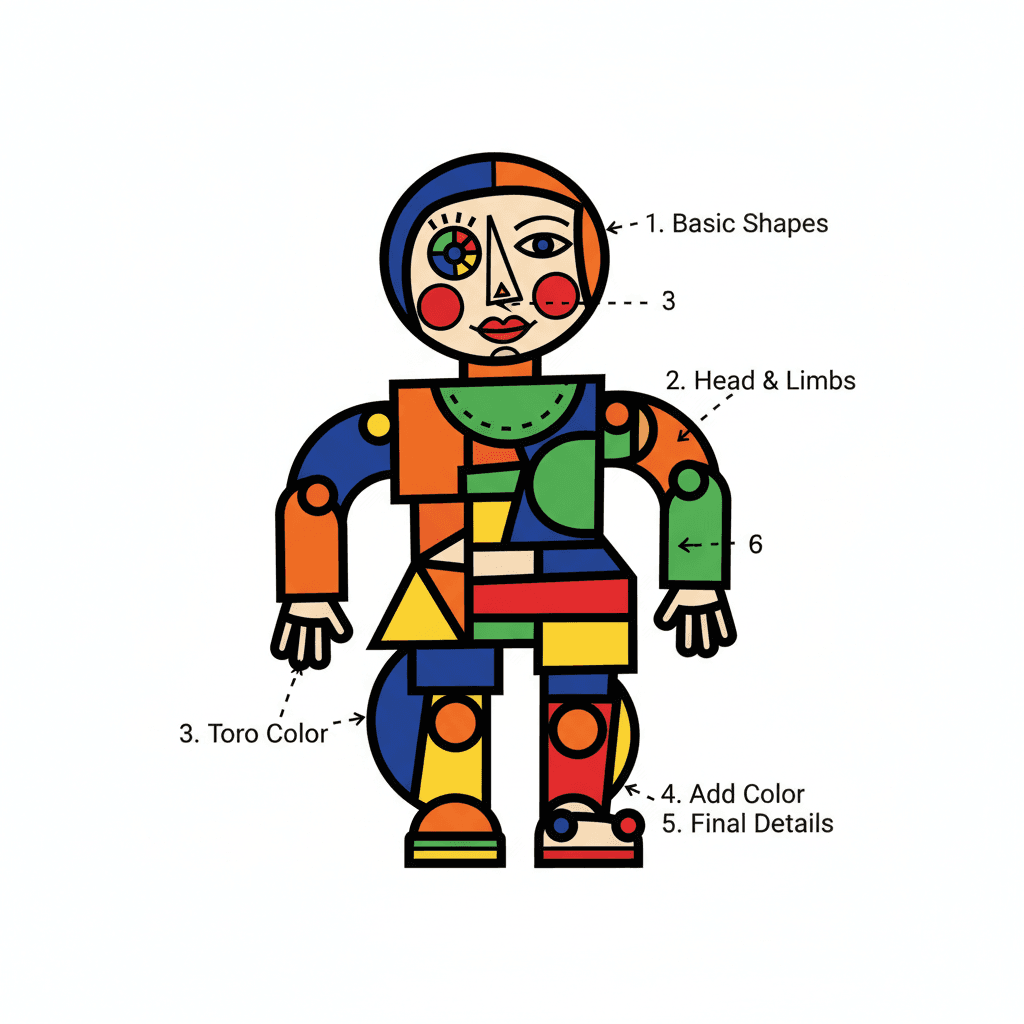
Step-by-step guide to draw a doll
How to Draw a Cute Doll Simple & Easy for Kids
Step 1
Draw a light circle near the top of the paper for the doll’s head.
Step 2
Draw a faint vertical line down the middle of the head and a faint horizontal line across the middle for eye placement.
Step 3
Draw a small rectangle under the head for the neck and a longer oval or rectangle for the torso.
Step 4
Sketch two simple lines from the shoulders for each arm and two lines from the bottom of the torso for each leg.
Step 5
Add small ovals at the ends of the arms and legs to mark hands and feet.
Step 6
Draw two round eyes on the eye line and a small curved line for the mouth on the center line.
Step 7
Add hair by drawing the hairline and simple shapes for the hairstyle you want.
Step 8
Draw clothes by outlining a dress shirt or pants over the torso and add simple details like sleeves or a skirt.
Step 9
Add facial and clothing details such as eyelashes buttons pockets or patterns.
Step 10
Trace over the final lines with a slightly darker pencil or marker to make your doll clear.
Step 11
Gently erase the light guide lines so only the finished doll remains.
Step 12
Colour your doll using your colouring materials, filling hair skin and clothes with bright choices.
Step 13
Share a photo of your finished doll on DIY.org to show your drawing to others.
Help!?
What can we use if we don't have a marker to trace the final lines?
If you don't have a marker, trace over the final lines with a slightly darker pencil or a fine-tip pen as suggested in the 'Trace over the final lines with a slightly darker pencil or marker' step.
My doll's face looks lopsided—how do we fix eye placement or proportions?
If the face is lopsided, redraw the faint vertical and horizontal guide lines from step 2, mark equal distances for the eyes on each side using a ruler or your finger, then trace the corrected features and gently erase the guides with a clean eraser.
How can I adapt this drawing task for different ages?
For younger children simplify by using big shapes and stickers for hands, eyes, and clothes, while older kids can refine proportions, add detailed hair shapes from step 7, and include shading and clothing details from step 10.
How can we personalize or extend the finished doll drawing?
Personalize the doll by adding unique patterns, buttons, or pockets from step 10, experimenting with different hairstyles from step 7, turning the drawing into a paper puppet with fold tabs, or mixing media when you colour it before sharing on DIY.org.
Watch videos on how to draw a doll
How to Draw a Doll step by step for kids I Simple and Easy Drawing | Drawing Tutorial
4 Videos
How to Draw a Doll step by step for kids I Simple and Easy Drawing | Drawing Tutorial
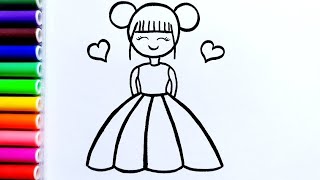
How to Draw a Doll Part 2 | Easy Drawing and Colouring for Kids and Toddlers
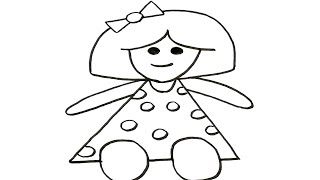
How To Draw A Cute Doll | Easy Step-by-Step Tutorial
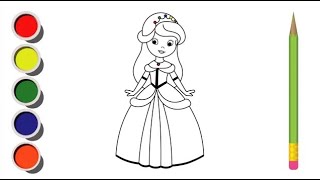
Doll Drawing Easy | Step-by-Step Drawing and Coloring for Kids
Facts about basic figure drawing
🎎 Dolls are one of the oldest toys — archaeologists have found dolls in ancient Egyptian tombs more than 4,000 years old.
✏️ Artists use a pencil grading scale from H (hard, light lines) to B (soft, dark lines) to plan and shade drawings.
🎨 Professional colored-pencil sets can include 100–150+ shades, and artists often layer colors to create lifelike skin tones.
🖼️ Gesture drawings are usually 30 seconds to a few minutes long and help artists capture proportions and movement quickly.
👗 Fashion designers use croquis (simple body templates) to sketch dozens of outfit ideas fast before finalizing designs.
How do you draw a simple doll step-by-step?
What materials do I need to draw a simple doll with my child?
What ages is drawing a simple doll suitable for?
What are the benefits of having my child draw dolls?
